





What is a ZLD Wallet?
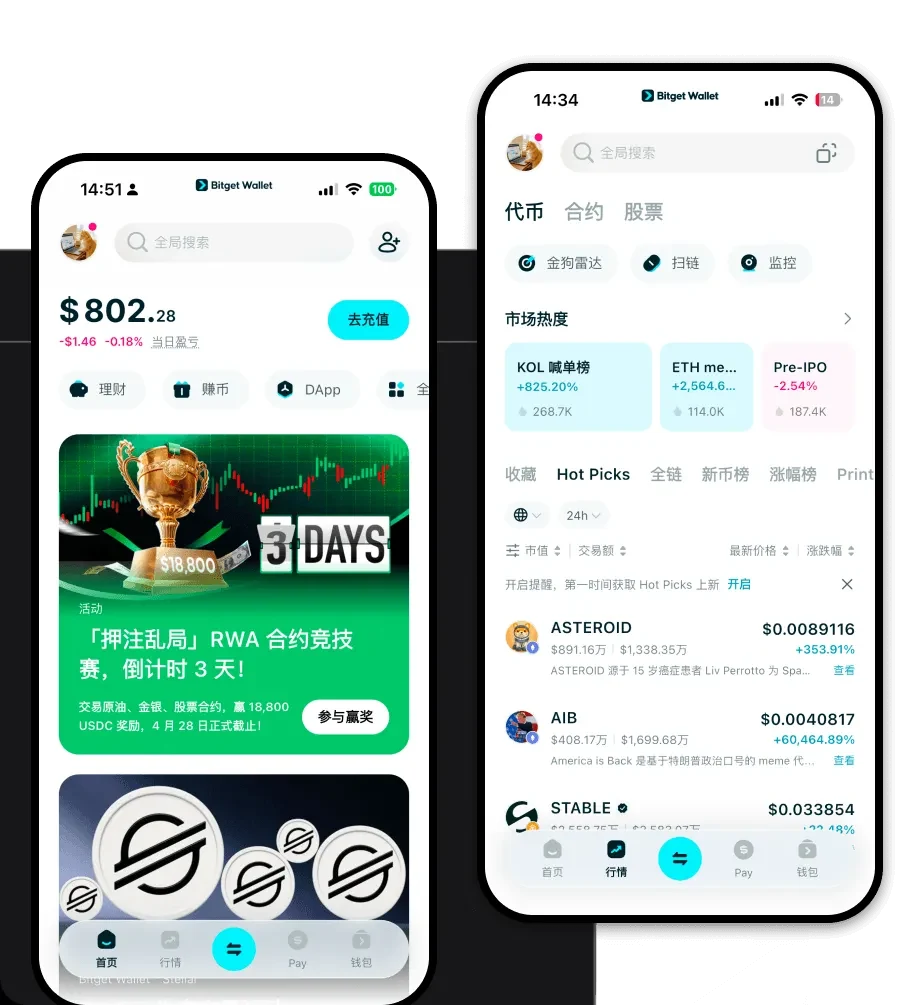
A ZLD wallet is a digital interface designed to interact with the ZLD token, which operates on the EVM (Ethereum Virtual Machine) blockchain. Because ZLD is a meme-based asset, it requires a wallet that can seamlessly handle the fast-paced nature of EVM-compatible token transfers and decentralized finance (DeFi) interactions. Are you looking for a reliable and secure crypto wallet for your ZLD? Bitget Wallet will be your best choice. Trusted by 40 million users, you can freely explore Web3 on Bitget Wallet. Start your journey now!
Download Bitget ZLD Wallet
Getting started with your ZLD journey requires a robust tool that puts you in full control of your assets. Bitget Wallet provides a non-custodial environment where you own your private keys, ensuring that you—and only you—have access to your ZLD holdings. Whether you prefer managing your portfolio on the go or through a desktop browser, Bitget Wallet has you covered. It offers full compatibility across iOS, Android, and browser extension formats, making it effortless to switch between devices while maintaining a unified view of your multi-chain assets. To get started, you can download Bitget Wallet and experience a seamless interface designed for both seasoned traders and newcomers.
Why Choose Bitget ZLD Wallet?
- EVM Ecosystem Integration: Bitget Wallet offers native support for EVM chains, ensuring that your ZLD transactions are processed with optimal gas efficiency and speed.
- Meme-Friendly Liquidity: With built-in aggregation of hundreds of DEXs, you can swap ZLD for other assets with minimal slippage, which is crucial for high-volatility meme tokens.
- Advanced Security Protocols: Your assets are protected by a $300 million user protection fund, offering an extra layer of security on top of the standard self-custody model.
- Community-Driven Experience: The wallet is designed to keep you connected to trending social hype, allowing you to track market movements in real-time.
How to Create a ZLD Wallet
Setting up your wallet is a straightforward process designed to get you ready for the market in minutes:
1. Download and install the Bitget Wallet app from the official store or website.2. Select 'Create a New Wallet' and ensure you carefully back up your 12-word mnemonic phrase (never share this with anyone).3. Set a strong password or biometric lock to secure your local device access.4. Navigate to the asset list and use the 'Add Token' feature to import the ZLD contract address if it does not appear automatically.5. Once added, your ZLD wallet address will be visible, allowing you to receive tokens from exchanges or other wallets.
What Can You Do With a ZLD Wallet?
A ZLD wallet is more than just a storage tool; it is a gateway to active participation in the ecosystem:
Trading: You can execute rapid swaps on decentralized exchanges directly within the wallet interface to capitalize on market movements.Speculative Investment: The wallet allows you to hold ZLD while monitoring price action, enabling you to manage your risk and exposure to high-volatility meme assets.Community Participation: By holding ZLD in your wallet, you can engage with decentralized applications (dApps) and social platforms that require token verification.Holding for Appreciation: You can securely store your ZLD long-term, utilizing the non-custodial features to ensure your assets remain safe from centralized exchange risks.
How ZLD Wallets Are Different from Other Crypto Wallets
Unlike standard wallets that might struggle with the specific demands of meme tokens, a dedicated ZLD wallet setup on Bitget leverages the EVM account model to its full potential. While some wallets are built for UTXO chains (like Bitcoin), which focus on transaction output management, Bitget Wallet is optimized for the account-based model used by EVM chains. This means you benefit from faster transaction finality and more intuitive interaction with smart contracts. Furthermore, Bitget Wallet manages gas fees dynamically, helping you avoid overpaying during periods of network congestion, which is a common pain point for traders dealing with high-volatility assets.
