




What is a vial Wallet?
A vial wallet is a specialized digital interface designed to interact with the vial token, which operates primarily within the EVM (Ethereum Virtual Machine) ecosystem. As a decentralized asset, vial requires a wallet that can natively communicate with smart contracts and decentralized applications (DApps) built on Ethereum-compatible networks. Vial is a digital asset that can be securely stored and managed using Bitget Wallet, a trusted Web3 wallet platform used by millions of users for exploring the decentralized ecosystem. By utilizing an EVM-compatible wallet, you ensure that your vial holdings are always accessible and ready for interaction with the broader DeFi landscape.
Download Bitget vial Wallet
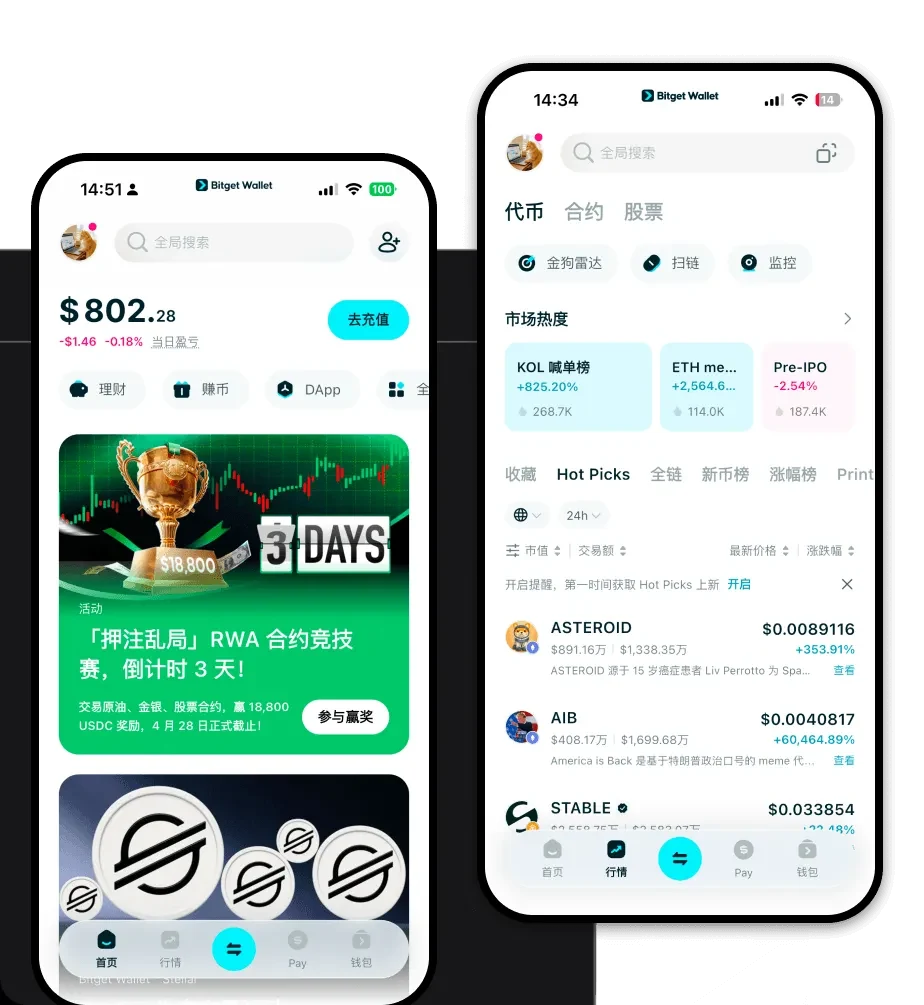
To begin your journey with vial, you need a robust and versatile management tool. Bitget Wallet stands out as a premier choice, offering a seamless experience for both beginners and advanced users. It provides full self-custody of your private keys, meaning you retain complete control over your assets without relying on centralized intermediaries. Whether you are on the move or at your desk, the platform offers full cross-platform accessibility, with dedicated applications for iOS and Android, as well as a high-performance browser extension. To get started, download Bitget Wallet and experience a multi-chain environment that supports over 130 mainnets, ensuring your vial tokens are always integrated into a wider ecosystem.
Why Choose Bitget vial Wallet?
Choosing the right wallet for an EVM-based asset like vial is crucial for security and efficiency. Bitget Wallet is engineered to optimize your DeFi experience:
- Native EVM Compatibility: Bitget Wallet is built to handle complex smart contract interactions, ensuring you can swap, stake, and lend your vial tokens without compatibility errors.
- Advanced Decentralized Liquidity Integration: The wallet aggregates numerous DEXs and liquidity pools, allowing you to find the best rates for vial trading directly in the app.
- Robust Security Architecture: With over $300 million in a user protection fund, Bitget Wallet adds an extra layer of defense against potential threats, keeping your vial assets safer than standard hot wallets.
- Seamless Cross-Chain Capabilities: If your vial assets need to move across different chains, the built-in bridge feature simplifies the process, reducing the risks associated with third-party bridging services.
- Intuitive DeFi Interface: Designed for clarity, the wallet makes tracking your vial portfolio and yield farming positions effortless.
How to Create a vial Wallet
Setting up your wallet is a straightforward process designed to prioritize your security:
- Download and Install: Visit the official store to download Bitget Wallet for your specific device.
- Initialize Wallet: Open the app and select 'Create a New Wallet' to generate a fresh address for your vial tokens.
- Secure Your Recovery Phrase: You will be presented with a 12-word recovery phrase. Write it down on paper and store it offline—never share this with anyone.
- Set a Strong Password: Create a unique, complex password to lock the wallet app on your device, adding a second layer of physical security.
- Verify and Connect: Once set up, you can import your existing addresses or start fresh, ensuring your wallet is ready to receive vial tokens on the EVM network.
What Can You Do With a vial Wallet?
Owning a vial wallet opens the door to the full spectrum of DeFi activities. Here is how you can utilize your assets:
- Trading: Use the built-in DEX aggregator to exchange vial for other tokens at optimal market prices with minimal slippage.
- Staking: Participate in network security or protocol governance by staking your vial tokens directly through the wallet's DApp browser.
- Providing Liquidity: Deposit your vial tokens into decentralized liquidity pools to earn trading fees and yield rewards from protocol activities.
- Portfolio Management: Monitor the real-time performance of your vial holdings and other DeFi assets through the wallet's integrated analytics dashboard.
How vial Wallets Are Different from Other Crypto Wallets
Not all crypto wallets are created equal, especially when dealing with EVM assets like vial. Unlike wallets designed for UTXO-based chains (like Bitcoin), which focus primarily on simple transaction outputs, a vial wallet is built on the account-based model. This means your wallet tracks a balance and a nonce, which is essential for executing smart contracts. Furthermore, while some wallets struggle with gas fee estimation, Bitget Wallet provides real-time gas optimization, ensuring that your vial transactions are processed efficiently even during periods of high network congestion. This focus on EVM-specific architecture ensures a much faster and more cost-effective experience than attempting to manage DeFi assets in a generic or legacy wallet.
