



What is a Trinity Wallet?
Trinity is a dynamic digital asset native to the EVM ecosystem, designed to power sophisticated decentralized finance protocols. Because it operates on EVM-compatible chains, users require a wallet that can bridge the gap between complex smart contract interactions and user-friendly asset management. Are you looking for a reliable and secure crypto wallet for your TRINITY? Bitget Wallet will be your best choice. Trusted by 40 million users, you can freely explore Web3 on Bitget Wallet. Start your journey now!
Download Bitget Trinity Wallet
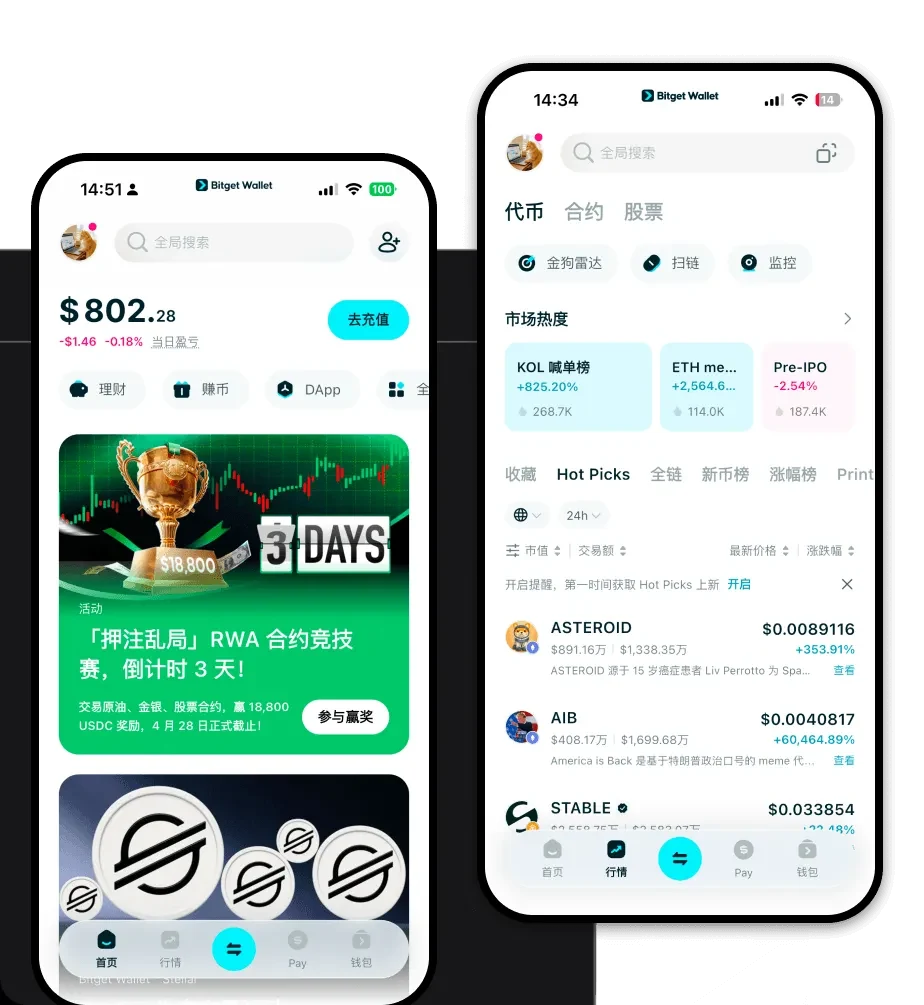
To begin managing your assets, you should download Bitget Wallet. This application is engineered for the modern user, providing robust support for EVM chains while ensuring you maintain full control over your private keys through a self-custody model. Whether you prefer the convenience of an iOS or Android app, or the advanced functionality of a browser extension, Bitget Wallet ensures your Trinity experience is consistent and powerful across all devices.
Why Choose Bitget Trinity Wallet?
Choosing the right wallet is crucial for DeFi participants. Here is why Bitget stands out:
- EVM Compatibility: Designed specifically for EVM chains, ensuring that your Trinity tokens interact seamlessly with the broader DeFi ecosystem without compatibility issues.
- High Liquidity Access: The wallet aggregates hundreds of decentralized exchanges, allowing you to swap your tokens at the most favorable market rates.
- Cross-Chain Interoperability: Easily move your assets across different chains using integrated bridges, removing the silos that often hinder DeFi participation.
- Security-First Architecture: With a 300 million USD user protection fund, Bitget provides a robust security layer for your assets, far exceeding standard industry practices.
- Smart Contract Automation: Utilize the platform's advanced tools to interact with complex smart contracts, making yield farming and staking more efficient.
How to Create a Trinity Wallet
Setting up your account is a straightforward process designed for both beginners and pros:
1. Download and Install: Visit the official site to download the Bitget Wallet application for your preferred device (mobile or desktop).
2. Create Your Wallet: Open the app and select 'Create a Wallet'. You will be prompted to set a strong, unique password.
3. Secure Your Seed Phrase: The app will generate a recovery phrase. Write this down on paper and store it in a secure, offline location; this is the only way to recover your funds.
4. Add Trinity: Once inside your dashboard, use the search function to add the Trinity token contract address to your asset list so it appears in your main view.
5. Start Transacting: You are now ready to receive, send, and trade your tokens using your new wallet address.
What Can You Do With a Trinity Wallet?
Once your wallet is set up, you can leverage the full power of DeFi:
- Staking: Lock your Trinity tokens within approved protocols to earn passive rewards and contribute to network security.
- Yield Farming: Deposit your assets into liquidity pools to maximize your returns through automated yield farming strategies.
- Providing Liquidity: Act as a market maker by providing liquidity to decentralized exchanges, earning fees from every trade executed in that pool.
- Governance Voting: Participate in decentralized governance by using your held tokens to vote on key proposals and protocol upgrades.
- Asset Trading: Utilize the built-in swap features to perform high-speed asset trading directly from your wallet interface.
How Trinity Wallets Are Different from Other Crypto Wallets
Managing Trinity on an EVM-compatible wallet like Bitget differs significantly from legacy crypto wallets. While Bitcoin wallets often rely on the UTXO model, Bitget uses the account-based model, which is essential for executing the complex smart contract logic required by DeFi. Unlike basic wallets that struggle with fluctuating gas fees, Bitget provides intelligent gas estimation, ensuring your transactions are processed quickly and cost-effectively. Furthermore, the focus here is not just on storage, but on active participation—offering a gateway to a massive ecosystem of dApps that standard wallets simply cannot access with the same efficiency.


