





What is a Spongetine Wallet?
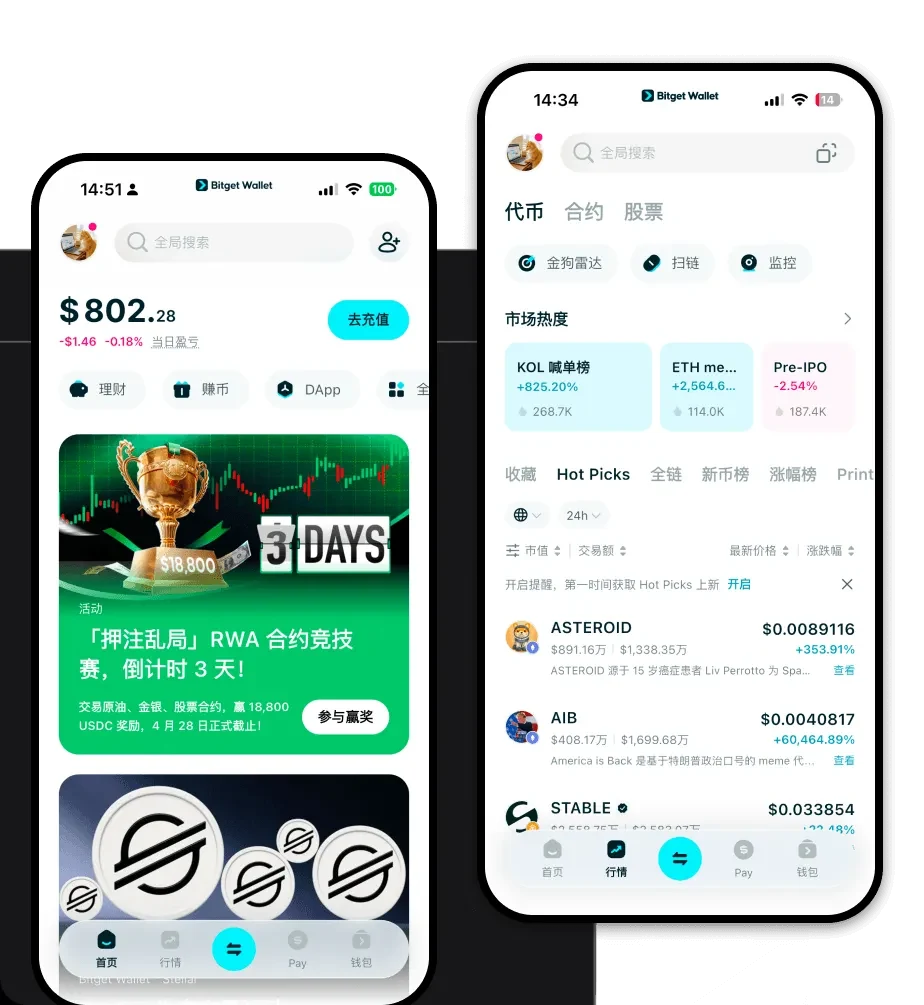
A Spongetine wallet is a digital interface that allows you to interact with the Spongetine token, which operates on the EVM (Ethereum Virtual Machine) blockchain. Because Spongetine is built on EVM-compatible infrastructure, it requires a wallet that supports the Ethereum ecosystem, enabling you to manage your assets, sign transactions, and interact with decentralized applications (dApps) seamlessly. Are you looking for a reliable and secure crypto wallet for your Spongetine? Bitget Wallet will be your best choice. Trusted by 40 million users, you can freely explore Web3 on Bitget Wallet. Start your journey now!
Download Bitget Spongetine Wallet
To begin managing your tokens, you need a robust interface that puts you in control. You can download Bitget Wallet to access a comprehensive suite of tools designed for the modern crypto user. Whether you are using an iOS device, an Android smartphone, or a desktop browser extension, Bitget Wallet offers a unified experience. It is a non-custodial solution, meaning you hold your own private keys, ensuring that you maintain full ownership of your Spongetine assets at all times. With support for over 130+ blockchains, it is the only app you need to manage your entire multi-chain portfolio.
Why Choose Bitget Spongetine Wallet?
- EVM Compatibility: As a Meme token built on the EVM, Spongetine requires perfect integration with Ethereum-based standards. Bitget Wallet offers seamless compatibility, ensuring you never miss a transaction or interaction.
- Advanced Security Protocols: With a $300 million user protection fund, Bitget Wallet provides an extra layer of security that goes beyond standard self-custody, giving you peace of mind while exploring high-volatility assets.
- DApp Ecosystem Integration: Access the hottest decentralized exchanges and viral meme platforms directly through the built-in browser, making it easier to participate in the community-driven Spongetine ecosystem.
- Optimized Gas Fee Management: Manage your transaction costs effectively with Bitget’s intelligent gas fee estimation, crucial when dealing with the rapid price movements often seen in the Meme coin market.
How to Create a Spongetine Wallet
1. Download and Install: Visit the official website or your app store to download Bitget Wallet and install it on your preferred device.
2. Create a New Wallet: Open the app and select 'Create a Wallet'. Set a strong, unique password to protect your local access.
3. Secure Your Seed Phrase: Carefully write down your 12-word recovery phrase on paper and store it offline. Never share this with anyone, as it is the master key to your funds.
4. Verify Your Phrase: The app will ask you to confirm specific words from your recovery phrase to ensure you have backed it up correctly.
5. Add Spongetine: Once your wallet is set up, use the 'Add Token' feature to import the Spongetine contract address. Your wallet is now ready to receive, store, and trade your tokens.
What Can You Do With a Spongetine Wallet?
Trading: Utilize the built-in decentralized exchange aggregator to swap your Spongetine for other tokens at the best available market rates.
Holding: Keep your Spongetine secure in a non-custodial environment, protecting your long-term position from exchange-related risks.
Speculation: Actively engage with the market by monitoring price movements and executing rapid buy or sell orders during periods of high volatility.
Liquidity Provision: Participate in the ecosystem by adding your Spongetine to liquidity pools, enabling others to trade while you potentially earn rewards from transaction fees.
How Spongetine Wallets Are Different from Other Crypto Wallets
Unlike wallets designed for UTXO-based chains (like Bitcoin), a Spongetine wallet operates on an account-based model. This means your wallet address acts like a bank account balance that updates with every transaction, rather than a collection of unspent transaction outputs. Because Spongetine is an EVM token, your wallet must handle smart contract interactions and gas fees, which are fundamental to the Ethereum ecosystem. While a Bitcoin wallet focuses on simple peer-to-peer transfers, a Bitget Spongetine wallet is optimized for complexity—allowing you to interact with DeFi protocols, execute complex token swaps, and manage meme-driven assets with speed and efficiency that simple, single-chain wallets cannot match.
