





1. What is a REC Wallet?
A REC wallet is a specialized digital interface designed to interact with the REC token on the EVM (Ethereum Virtual Machine) blockchain. Because REC operates within an EVM-compatible environment, it requires a wallet that can interpret smart contracts, manage gas fees, and broadcast transactions to the network. Whether you are holding for the long term or actively participating in the ecosystem, having a robust wallet is the gateway to your assets.
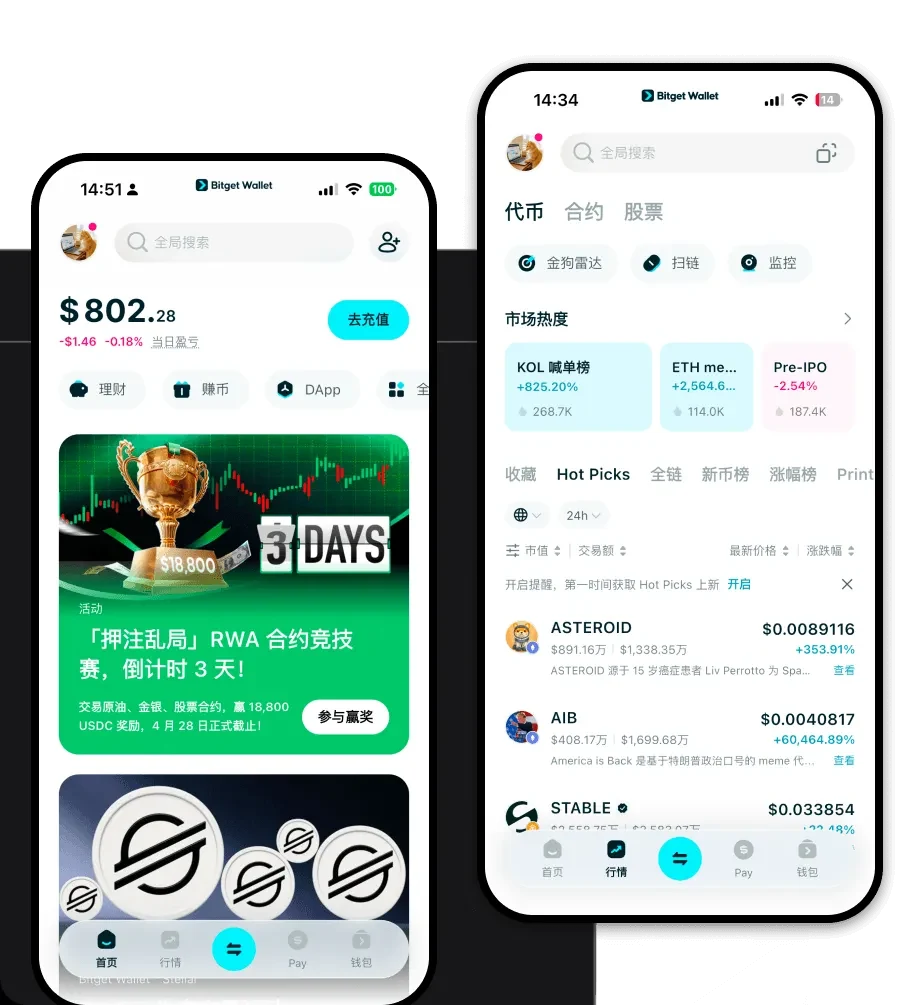
Are you looking for a reliable and secure crypto wallet for your REC? Bitget Wallet will be your best choice. Trusted by 40 million users, you can freely explore Web3 on Bitget Wallet. Start your journey now!
2. Download Bitget REC Wallet
Getting started with your REC journey requires a secure, user-friendly application that puts you in full control. Bitget Wallet provides a seamless experience across all platforms, ensuring you can manage your assets whether you are at your desk or on the go.
You can download Bitget Wallet directly for iOS, Android, or as a browser extension. Unlike custodial exchanges, Bitget Wallet is a non-custodial solution, meaning you hold your own private keys and maintain full sovereignty over your REC tokens. With support for over 130 public chains, it acts as a unified hub for your multi-chain portfolio, allowing you to switch between networks without the hassle of constantly juggling multiple wallet apps.
3. Why Choose Bitget REC Wallet?
Choosing the right infrastructure is critical for EVM-based assets like REC. Bitget Wallet stands out by providing features specifically tailored to the nuances of the Ethereum ecosystem:
- EVM Compatibility: Seamlessly integrate with any dApp, DeFi protocol, or NFT marketplace on the EVM network without compatibility errors.
- Non-Custodial Management: You retain complete ownership of your private keys and seed phrase, ensuring no third party can restrict access to your REC.
- Cross-Chain Interoperability: Easily bridge your assets across different chains within the same interface, reducing the friction of moving liquidity.
- Secure Asset Custody: Backed by a $300 million user protection fund and advanced encryption, Bitget Wallet provides a hardened environment against potential exploits.
- Decentralized Wallet Support: Enjoy a truly decentralized experience that facilitates direct interaction with smart contracts and on-chain governance.
4. How to Create a REC Wallet
Setting up your wallet is a straightforward process designed to prioritize your security from the very first step.
Step 1: Visit the official website and download Bitget Wallet for your preferred device.
Step 2: Launch the app and select 'Create a New Wallet'. You will be prompted to set a strong, unique password for the application interface.
Step 3: Carefully back up your seed phrase (recovery phrase). Write it down on paper and store it in a secure, offline location. Never share this phrase with anyone.
Step 4: Verify your seed phrase by entering the words in the requested order to confirm you have saved them correctly.
Step 5: Once the wallet is initialized, navigate to the asset list and add REC. Your unique EVM wallet address is now ready to receive tokens.
5. What Can You Do With a REC Wallet?
Once your wallet is set up, it becomes a powerful tool for navigating the Web3 landscape. Here is how you can maximize your REC experience:
- Secure Token Storage: Store your REC tokens in a non-custodial environment where you are the sole controller of your assets, safe from exchange-related risks.
- Token Trading: Utilize the built-in DEX aggregator to execute REC trades at the best market prices with minimal slippage across various liquidity pools.
- Cross-Chain Asset Transfers: Seamlessly move your assets between different EVM networks or L2 solutions without needing complex manual bridging processes.
- Web3 dApp Interaction: Connect your wallet to decentralized finance platforms, NFT marketplaces, and gaming dApps to utilize your REC tokens in real-time.
- Portfolio Management: Track the total value and performance of your holdings across multiple chains in a single, intuitive dashboard.
6. How REC Wallets Are Different from Other Crypto Wallets
Managing REC on an EVM-compatible wallet is fundamentally different from using wallets for non-EVM chains. Because REC utilizes the account-based model of the EVM, your wallet must constantly track the state of your account—specifically your nonce (transaction count) and balance—rather than the UTXO (Unspent Transaction Output) model used by Bitcoin.
Furthermore, because REC operates on the EVM, you must account for gas fees. Your wallet needs to be intelligent enough to estimate these fees accurately to ensure your transactions are processed quickly and don't fail due to insufficient gas. Unlike some specialized wallets that hide complex technical details, Bitget Wallet provides transparent insights into gas settings, allowing you to prioritize speed or cost-efficiency depending on your needs. This level of control is essential for managing infrastructure-level tokens effectively.
