





What is a PODE Wallet?
A PODE wallet is a specialized digital interface designed to interact with the PODE token, which operates primarily on the EVM (Ethereum Virtual Machine) blockchain ecosystem. Because PODE is an EVM-compatible asset, it requires a wallet that can effectively communicate with smart contract-based networks. Pode is a digital asset designed to be integrated into the Web3 ecosystem, often supported by major crypto wallets like Bitget Wallet to ensure secure storage and seamless interaction for users exploring decentralized applications. By using a compatible wallet, you are not just holding a token; you are gaining the gateway to execute transactions, manage your digital identity, and participate in the broader decentralized finance landscape that the PODE ecosystem supports.
Download Bitget PODE Wallet
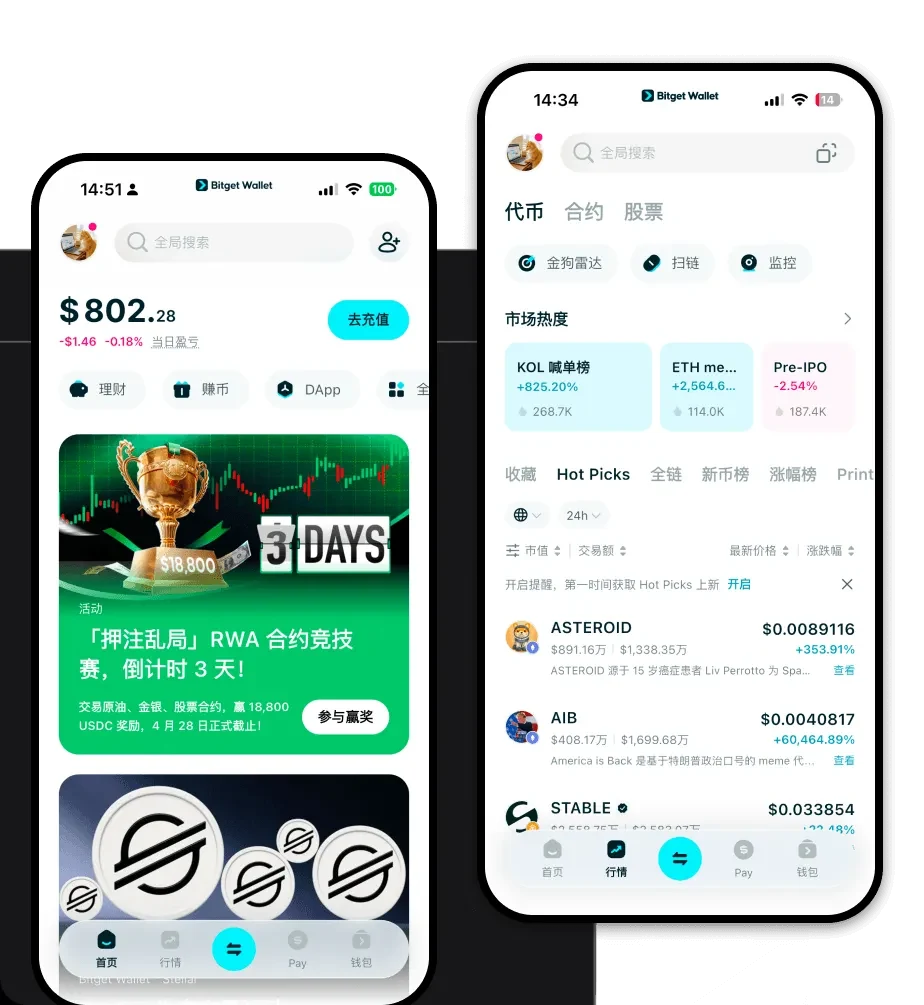
Getting started with your PODE journey requires a robust tool that puts you in full control of your assets. Bitget Wallet stands out as a premier decentralized, non-custodial solution that empowers users with full ownership of their private keys, meaning only you have access to your funds. Whether you are managing your portfolio on the go or deep-diving into complex DeFi protocols, Bitget Wallet offers a unified experience across mobile and desktop. It supports over 130 public chains, ensuring that your PODE tokens and other assets are always accessible. To get started, you can download Bitget Wallet directly for iOS, Android, or as a browser extension, providing a seamless, multi-platform bridge to the Web3 world.
Why Choose Bitget PODE Wallet?
When dealing with EVM-based infrastructure assets like PODE, your choice of wallet significantly impacts your efficiency and security. Bitget Wallet is engineered to handle the complexities of the EVM ecosystem with ease:
- Native EVM Compatibility: Bitget Wallet provides deep integration with the Ethereum Virtual Machine, allowing for faster transaction signing and seamless interaction with dApps without compatibility errors.
- Advanced Security Infrastructure: With a $300 million protection fund and MPC (Multi-Party Computation) technology, Bitget Wallet ensures your PODE holdings are shielded from single-point-of-failure risks common in traditional wallets.
- Optimized Gas Management: The wallet features intelligent gas fee estimation, helping you execute PODE transactions at the most cost-effective times on the network.
- Seamless Cross-Platform Interoperability: Whether you are switching between your mobile phone and a browser extension, your PODE assets and dApp history sync instantly, providing a frictionless transition between devices.
- Comprehensive DeFi Aggregation: Access hundreds of DEXs and cross-chain bridges directly within the interface, allowing you to swap or stake PODE without ever leaving your wallet.
How to Create a PODE Wallet
Setting up your wallet to manage PODE is a straightforward process designed to prioritize user security and accessibility:
- Download and Install: Visit the official website to download Bitget Wallet for your preferred platform.
- Create a New Wallet: Open the app and select 'Create Wallet'. You will be prompted to set a strong, unique password for the application.
- Backup Your Seed Phrase: The app will generate a 12-word recovery phrase. Write this down on paper—never take a screenshot—and store it in a secure, offline location.
- Verify Recovery Phrase: Confirm the phrase to ensure you have backed it up correctly. This is the only way to recover your PODE wallet if you lose your device.
- Import or Receive PODE: Once set up, you can add PODE to your assets list by searching for its contract address, and you are ready to receive or send tokens.
What Can You Do With a PODE Wallet?
Holding PODE in a high-performance wallet opens up a variety of functional possibilities within the Web3 infrastructure:
- Asset Storage: You can securely hold your PODE tokens in a non-custodial environment, ensuring you retain full ownership and control over your digital assets at all times.
- Token Trading: Utilize the integrated DEX aggregator to exchange PODE for other tokens directly within the wallet interface at competitive market rates and low slippage.
- Cross-Chain Transfers: Leverage the built-in cross-chain bridge functionality to move PODE assets across different supported networks, expanding your liquidity options.
- Web3 dApp Interaction: Connect your wallet to various decentralized applications to participate in governance, yield farming, or NFT ecosystems that support PODE infrastructure.
How PODE Wallets Are Different from Other Crypto Wallets
Unlike simple custodial exchanges, a dedicated PODE wallet like Bitget Wallet is built for the EVM architecture, which fundamentally changes how you interact with the blockchain. While Bitcoin wallets focus on UTXO models and simple balance transfers, PODE wallets are designed for account-based models. This means they handle complex smart contract interactions, allowing you to approve permissions for dApps and manage token allowances. Furthermore, because PODE operates on EVM chains, your wallet must manage 'gas fees'—the transaction costs paid to network validators. Bitget Wallet simplifies this by providing real-time network congestion data, ensuring your transactions are processed quickly and cost-effectively, a stark contrast to basic wallets that often lack advanced fee-optimization tools.
