


What is a pnet Wallet?
A pnet wallet is a specialized digital interface designed to help you interact with the Parallel Network ecosystem. As an EVM-compatible token, PNET operates on the Ethereum Virtual Machine, making it highly versatile within the broader decentralized finance landscape. PNET is the native token associated with the Parallel Network ecosystem, a decentralized infrastructure project focused on enhancing scalability and liquidity across Web3. Because it functions within an EVM environment, you need a wallet that supports the Ethereum ecosystem's standards, enabling you to hold, send, and interact with smart contracts seamlessly. Whether you are a long-term investor or an active participant in decentralized infrastructure, having a dedicated wallet ensures you maintain full control over your digital assets.
Download Bitget pnet Wallet
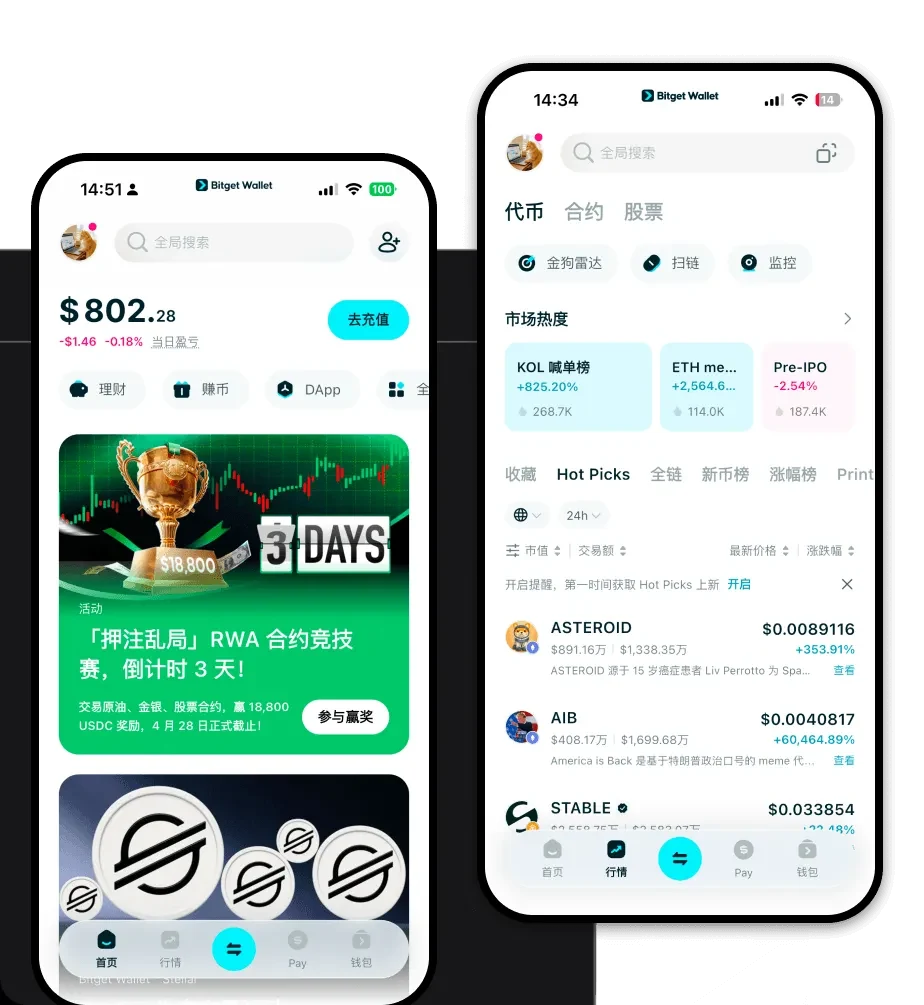
To start managing your assets, you need a robust, user-friendly, and secure gateway. We recommend users look for a solution that offers comprehensive multi-chain support and true self-custody. The best choice for managing your assets is to download Bitget Wallet, which acts as a powerful portal to the entire crypto ecosystem. Bitget Wallet is available as a mobile app for both iOS and Android, as well as a browser extension, ensuring you have access to your funds regardless of your device. By choosing a non-custodial wallet, you retain full control over your private keys, which is the cornerstone of true decentralization. Once you install the application, you can easily import your existing addresses or generate a new one, providing a seamless experience for interacting with the Parallel Network and beyond.
Why Choose Bitget pnet Wallet?
Selecting the right wallet for your PNET tokens is a critical decision that impacts your daily Web3 experience. Bitget Wallet stands out for several reasons, particularly for users focused on infrastructure and EVM-based assets:
- EVM Compatibility: Designed specifically for the Ethereum Virtual Machine, it ensures you can interact with any dApp, DeFi protocol, or liquidity pool built on the Parallel Network without compatibility issues.
- Liquidity Aggregation: The wallet features advanced liquidity aggregation, allowing you to find the best rates across hundreds of DEXs and cross-chain bridges directly from your interface.
- High-Throughput Scaling Support: It is optimized to handle the high throughput requirements of modern infrastructure projects, ensuring your transactions are processed quickly and efficiently.
- Robust Security: With a 300 million USD user protection fund, Bitget Wallet provides an extra layer of security and peace of mind for your assets, significantly reducing the risks associated with on-chain interactions.
- Modular Architecture Integration: The wallet is built to support the modular nature of modern blockchains, providing you with a future-proof interface that adapts as the ecosystem evolves.
How to Create a pnet Wallet
Setting up your wallet is a straightforward process that takes only a few minutes. Follow these steps to get started:
- Install the App: Visit the official website or your app store to download Bitget Wallet.
- Create a New Wallet: Open the app and select 'Create a Wallet.' You will be prompted to set a strong password to protect your local access.
- Secure Your Seed Phrase: The app will generate a 12 or 24-word recovery phrase. Write this down on paper and store it offline—never share this with anyone, as it is the master key to your funds.
- Verify and Setup: Confirm your recovery phrase within the app to finalize the creation. Your EVM address will be generated automatically.
- Access Your Address: You can now view your public address, which you can share to receive PNET or other assets. Because it is an EVM address, it will start with '0x'.
What Can You Do With a pnet Wallet?
Once you have set up your wallet, you unlock the full potential of the Parallel Network ecosystem. Here is how you can utilize your PNET tokens:
- Staking for Network Security: PNET holders can actively participate in the ecosystem by staking their tokens to help secure the Parallel Network infrastructure, earning potential rewards in the process.
- Governance Voting: You can engage in community-led governance by using your PNET tokens to vote on key proposals, directly influencing the future development and direction of the protocol.
- Paying Transaction Fees: The token serves as the primary currency for paying transaction fees across the network, ensuring that your interactions and smart contract executions are processed smoothly.
- Providing Liquidity to Protocols: You can utilize your PNET to provide liquidity to various DeFi protocols, which enhances overall market efficiency and helps you earn yield from trading fees.
- Participating in Ecosystem Incentives: By holding or interacting with the network, you can engage in ecosystem incentive programs to earn rewards and contribute to the overall growth and adoption of the platform.
How pnet Wallets Are Different from Other Crypto Wallets
Not all wallets are created equal, especially when dealing with different blockchain architectures. Unlike wallets designed for UTXO-based chains (like Bitcoin), a pnet wallet is optimized for the EVM account model. In the EVM world, your balance is tied to an address that interacts with complex smart contracts, requiring the wallet to estimate and manage gas fees dynamically. Bitget Wallet excels here by providing real-time gas fee estimates and ensuring compatibility with the complex interactions required by infrastructure projects. While some wallets are basic storage units, a high-quality EVM wallet must be an active participant in the network, handling cross-chain interoperability and modular architecture interactions seamlessly. This ensures that when you interact with the Parallel Network, your wallet is not just a vault, but a fully functional bridge to the decentralized world.


