





What is a PDG Wallet?
PDG, widely recognized as PolyDoge, is a popular meme-driven asset operating within the Polygon network. As part of the vibrant Polygon ecosystem, it leverages the network's high-speed, low-cost infrastructure to facilitate community-driven engagement. Because PDG is built on the Polygon blockchain, it is essentially an ERC-20 token standard, utilizing the Ethereum Virtual Machine (EVM) architecture. This means your PDG wallet needs to be fully EVM-compatible to interact seamlessly with decentralized applications (dApps) and smart contracts.
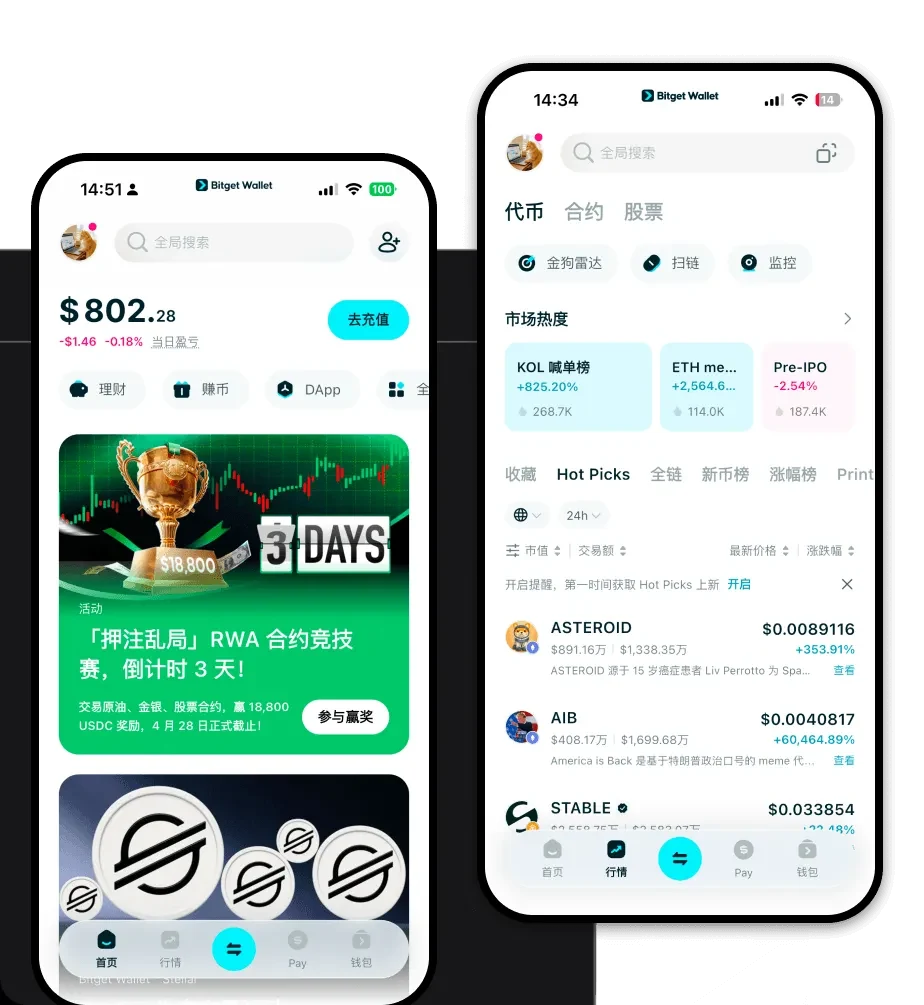
Are you looking for a reliable and secure crypto wallet for your PDG? Bitget Wallet will be your best choice. Trusted by 40 million users, you can freely explore Web3 on Bitget Wallet. Start your journey now!
Download Bitget PDG Wallet
Getting started with your PDG assets is simple with the right tools. The Bitget Wallet app serves as a robust gateway to the Web3 world, providing a unified interface for managing your PolyDoge tokens across multiple chains. Unlike custodial exchanges, Bitget Wallet ensures you maintain full control over your digital assets through a self-custody model, meaning your private keys remain exclusively in your hands.
Whether you are on the move or at your desktop, Bitget Wallet offers a versatile experience. You can download Bitget Wallet via the iOS App Store, Google Play Store, or by installing the browser extension for Chrome or Edge. Its multi-chain support allows you to manage PDG alongside hundreds of other assets without needing to switch between different applications, making it the best wallet app for your daily crypto activities.
Why Choose Bitget PDG Wallet?
When dealing with meme tokens like PDG, speed and cost-efficiency are critical. Bitget Wallet is optimized for the EVM environment, ensuring you never miss a market move. Here is why it stands out for PolyDoge users:
- Polygon Ecosystem Native: Bitget Wallet offers deep integration with the Polygon network, ensuring your PDG transactions are processed with native compatibility and minimal friction.
- EVM Compatibility: As an EVM-based wallet, it provides a familiar interface for anyone used to Ethereum-based assets, making the transition to managing PDG effortless.
- Optimized for Low Transaction Costs: Because the wallet is built to handle high scalability, it helps you navigate Polygon’s low gas fees efficiently, allowing you to maximize your trading capital.
- Enhanced Asset Security: With a $300 million user protection fund, Bitget Wallet provides a layer of security that goes beyond standard wallet features, giving you peace of mind when holding meme assets.
- Community-Driven Focus: The interface is designed to support the fast-paced nature of meme communities, with integrated DApp browsers that let you connect to community platforms instantly.
How to Create a PDG Wallet
Setting up your PDG wallet is a straightforward process that takes only a few minutes. Follow these steps to get your best wallet for PDG ready:
- Install the App: Download Bitget Wallet from the official website or your preferred app store.
- Create a New Wallet: Open the app and select 'Create a Wallet.' You will be prompted to set a strong security password.
- Secure Your Recovery Phrase: The app will generate a 12 or 24-word recovery phrase. Write this down on paper—never store it digitally—and keep it in a safe place. This is your only way to recover your funds.
- Enable Polygon/EVM: Since PDG is an EVM token, ensure your wallet is set to display Polygon assets. Bitget Wallet typically auto-detects these, but you can manually add the contract address if needed.
- Get Your Address: Navigate to the 'Receive' section, select the Polygon network, and copy your PDG wallet address to start receiving funds.
What Can You Do With a PDG Wallet?
Managing your PDG is about more than just holding; it is about engaging with the ecosystem. Here is how you can utilize your assets:
- Trading: Use the built-in DEX aggregator to swap PDG for other tokens instantly at the best available market rates.
- Community Participation: Connect your wallet to community-driven platforms and DAO governance portals to participate in the future direction of the project.
- Liquidity Provision: Deposit your PDG and paired tokens into decentralized exchange pools to provide liquidity, helping to stabilize the market while earning trading fees.
- Staking in Yield Farms: Put your idle PDG tokens to work by staking them in yield farms, where you can earn additional rewards or interest based on the protocol's current APR.
How PDG Wallets Are Different from Other Crypto Wallets
Not all wallets are created equal, especially when dealing with EVM-based tokens like PDG. Unlike wallets built for UTXO chains (like Bitcoin), which focus on individual transaction inputs and outputs, a PDG wallet on the EVM model uses an account-based system. This allows for complex smart contract interactions that are essential for DeFi and meme token ecosystems.
Furthermore, while some wallets struggle with network congestion, Bitget Wallet is engineered for high scalability, ensuring that you can execute trades on the Polygon network even during periods of high activity. Unlike legacy wallets that might charge high fees or lack cross-chain bridge support, Bitget Wallet aggregates hundreds of DEXs and cross-chain bridges, ensuring that your PDG transactions are not just fast, but also the most cost-effective way to interact with the broader crypto market.
