





What is a PDC Wallet?
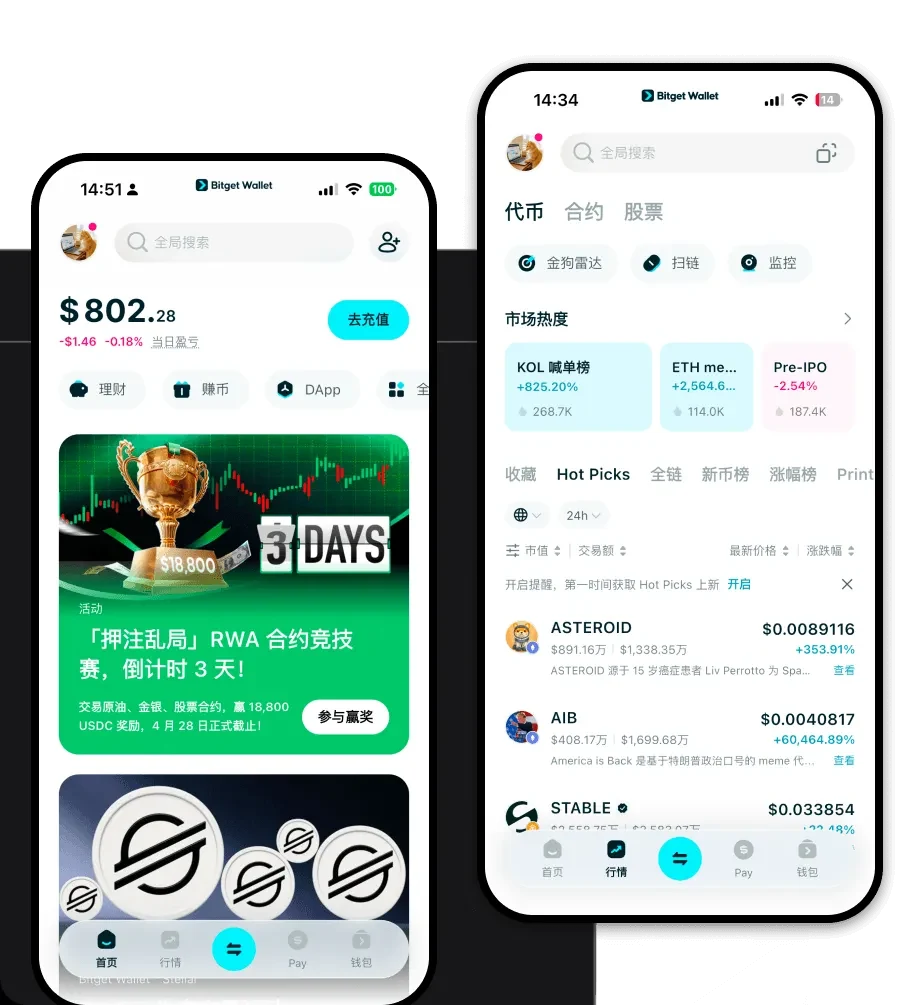
A PDC wallet is a secure digital interface designed to interact with the PDC cryptocurrency asset, which operates on the EVM-compatible blockchain ecosystem. Because PDC functions within this robust infrastructure, it requires a wallet that supports Ethereum Virtual Machine standards to ensure seamless interaction with smart contracts and decentralized networks. As noted, PDC is a cryptocurrency asset supported by the Bitget Wallet ecosystem. Bitget Wallet provides a secure and reliable platform for users to store, manage, and explore Web3 applications, trusted by 40 million users worldwide.
Download Bitget PDC Wallet
To start managing your assets, you need a reliable gateway that bridges your local device to the global blockchain. The Bitget Wallet app is designed for this exact purpose, offering a non-custodial experience where you remain in full control of your private keys. Whether you are using an iOS or Android mobile device, or prefer the convenience of a browser extension for your desktop, Bitget Wallet provides a unified experience.
It is built to handle the complexities of multi-chain environments while keeping the interface intuitive for beginners. To get started, you can download Bitget Wallet directly to your preferred device. By choosing a self-custody solution, you ensure that your assets are not held by a third party, giving you the freedom to transact and explore the Web3 space safely at any time.
Why Choose Bitget PDC Wallet?
Selecting the right wallet is critical, especially when dealing with EVM-based assets like PDC. Bitget Wallet stands out by providing features specifically tuned for modern infrastructure needs:
- EVM Compatibility: Designed specifically for EVM chains, it ensures perfect synchronization with smart contracts, allowing you to interact with decentralized finance (DeFi) protocols without compatibility issues.
- High Security Standards: With a robust 300 million USD user protection fund and advanced encryption, Bitget Wallet minimizes risks associated with online asset management.
- Seamless Cross-Chain Interoperability: Easily move your assets across different networks, reducing the friction often found in complex blockchain operations.
- Scalable Infrastructure: The wallet is built to handle high-traffic periods, ensuring your transactions are processed efficiently even when network congestion is high.
- Decentralized Asset Management: You maintain full ownership of your private keys and seed phrases, ensuring that you—and only you—have access to your funds.
How to Create a PDC Wallet
Setting up your wallet is a straightforward process that takes only a few minutes. Follow these steps to get started:
- Download and Install: Visit the official website to download Bitget Wallet for your mobile device or browser.
- Create a New Wallet: Open the app and select the option to create a new wallet.
- Secure Your Recovery Phrase: You will be given a 12 or 24-word recovery phrase. Write this down on paper and store it in a secure, offline location. Never share this with anyone.
- Verify and Setup: Confirm your recovery phrase as prompted by the app to ensure you have backed it up correctly.
- Manage Your Asset: Once your wallet is active, you can find the PDC token in the asset list or add it manually using its contract address to start receiving and sending funds.
What Can You Do With a PDC Wallet?
Having a PDC wallet opens up a wide range of possibilities within the Web3 ecosystem. Here is how you can utilize your wallet effectively:
- Asset Storage: Safely hold your PDC tokens in a non-custodial environment where you control the private keys.
- Cross-Chain Transfers: Utilize built-in bridges to move your PDC tokens across different blockchains efficiently and securely.
- Trading on Decentralized Exchanges: Connect your wallet to major DEXs to swap PDC for other tokens directly, without needing a centralized intermediary.
- Staking for Rewards: Participate in staking programs to put your idle PDC tokens to work and earn passive rewards within the ecosystem.
- Participating in Web3 Ecosystem dApps: Use your wallet to authenticate and interact with various decentralized applications, from governance platforms to decentralized finance tools.
How PDC Wallets Are Different from Other Crypto Wallets
When choosing a wallet for your PDC tokens, it is important to understand the technical distinctions. Unlike wallets designed for UTXO-based chains (like Bitcoin), a PDC wallet is built on an account-based model. This means it is optimized for EVM-specific interactions, such as executing complex smart contract calls and managing gas fees effectively.
While BTC wallets focus primarily on transaction history and output management, your PDC wallet acts as an interactive portal. It calculates and manages gas fees dynamically, ensuring your transactions are processed at the right speed. Furthermore, because PDC resides on EVM chains, the wallet is designed to provide real-time feedback on DeFi protocol interactions, a feature that standard, non-EVM wallets often lack. This specialized architecture ensures that you have the best possible experience when engaging with high-throughput dApps and decentralized infrastructure.
