





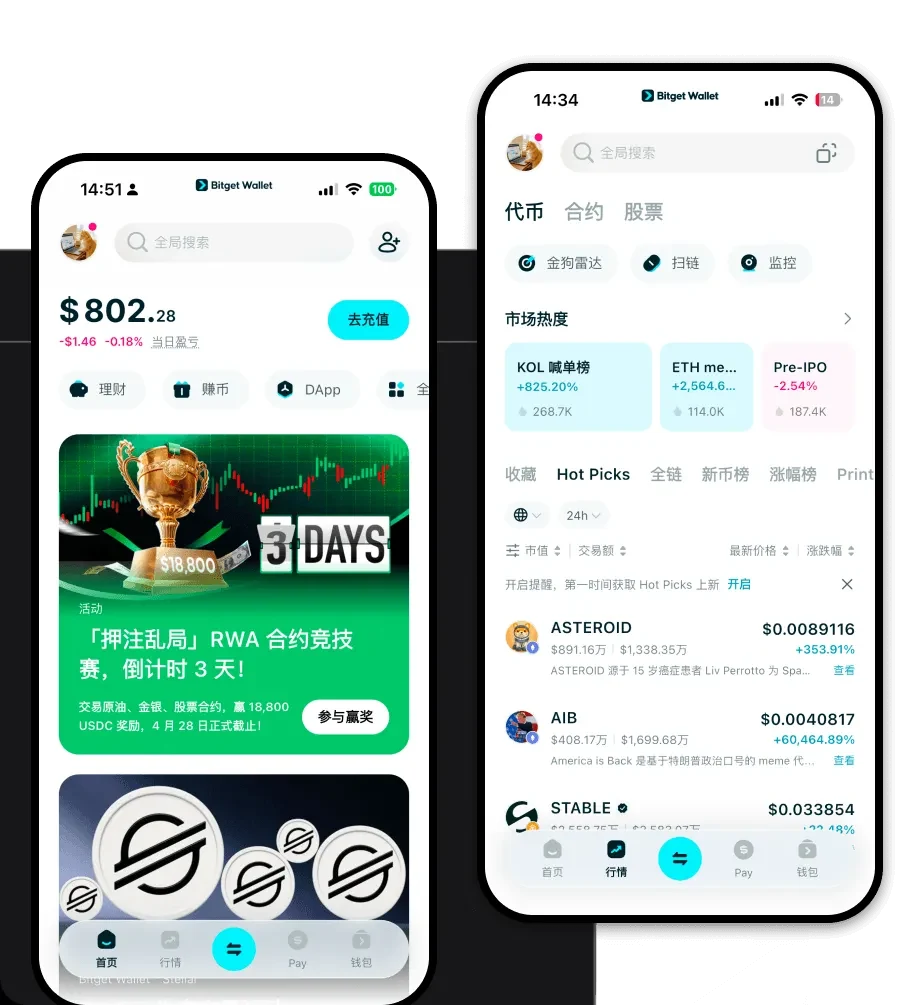
What is a MIF Wallet?
MIF is a digital asset supported by Bitget Wallet, providing users with a reliable and secure environment to manage their holdings and explore Web3 ecosystems. As a token built on the Ethereum Virtual Machine (EVM) network, MIF leverages the robust infrastructure of Ethereum and its compatible chains, making it highly interoperable with a wide array of decentralized finance (DeFi) protocols and applications.
A MIF wallet is essentially any cryptocurrency wallet that supports the EVM standard, allowing you to hold, send, and interact with MIF tokens. Because MIF operates within this ecosystem, it is vital to choose a wallet that is not only secure but also capable of managing smart contract interactions efficiently.
Download Bitget MIF Wallet
To get started, you need a reliable interface. When you download Bitget Wallet, you gain access to a platform designed for both simplicity and power. It is not just a storage solution; it is a gateway to the Web3 world that supports over 130+ blockchains and millions of tokens.
Bitget Wallet ensures that you have cross-platform accessibility, whether you are using the mobile app on iOS or Android, or the browser extension on your desktop. Most importantly, it is a non-custodial wallet, meaning you retain full ownership of your private keys and seed phrases. This approach ensures that your assets remain under your control at all times, providing the peace of mind necessary when managing digital assets like MIF.
Why Choose Bitget MIF Wallet?
Selecting the right tool for your assets is crucial, especially in the EVM ecosystem. Bitget Wallet stands out for several technical and user-centric reasons:
- EVM Compatibility: Designed specifically for the EVM environment, the wallet offers seamless interaction with thousands of dApps, ensuring your MIF transactions are processed without compatibility issues.
- Non-Custodial Security: With a focus on decentralization, the wallet ensures that your private keys are stored locally on your device, protected by the platform's robust security architecture and the 300 million USD user protection fund.
- Smart Contract Integration: The wallet features advanced smart contract monitoring, allowing you to review contract details before confirming transactions, which is essential for DeFi safety.
- Optimized Gas Fee Management: By utilizing advanced routing, the wallet helps you find the most efficient gas paths for your transactions, ensuring you don't overpay for network fees during congestion.
How to Create a MIF Wallet
Setting up your wallet is a straightforward process that prioritizes your security. Follow these steps:
- Install the App: Download Bitget Wallet from the official website or your device's app store.
- Create a New Wallet: Open the app and select 'Create a New Wallet.' Follow the prompts to set up a strong password.
- Backup Your Seed Phrase: This is the most critical step. Write down your 12-24 word recovery phrase and store it in a secure, offline location. Never share this with anyone.
- Add the Network: Since MIF is an EVM token, ensure your wallet is set to the correct network (e.g., Ethereum, BNB Chain, or Polygon) where your MIF tokens reside.
- Manage Your MIF: Use the 'Add Token' feature to search for the MIF contract address and import it so it appears in your main dashboard.
What Can You Do With a MIF Wallet?
Once your wallet is configured, you can fully engage with the DeFi ecosystem using your MIF tokens:
- Token Swapping: You can utilize the built-in decentralized exchange aggregator to swap MIF for other digital assets at competitive rates, ensuring you always get the best market price.
- Portfolio Management: The wallet provides a comprehensive dashboard that tracks your MIF holdings, showing you real-time value changes and historical performance across multiple chains.
- Staking: You can lock your MIF tokens in designated staking protocols directly through the dApp browser to earn yield rewards while contributing to the security of the network.
- Liquidity Provision: By providing your MIF tokens to decentralized liquidity pools, you can earn a share of the transaction fees generated by the platform, effectively putting your idle assets to work.
How MIF Wallets Are Different from Other Crypto Wallets
Not all wallets are created equal, especially when dealing with EVM-based tokens like MIF. Unlike wallets designed for the UTXO model (like Bitcoin), which focus on transaction inputs and outputs, MIF wallets are designed for the account-based model used by Ethereum and its derivatives.
This means that instead of managing unspent transaction outputs, your wallet manages a stateful account balance, which is necessary for executing complex smart contracts. Furthermore, while some older wallets struggle with high network traffic, a modern MIF wallet app like Bitget focuses on gas fee estimation and transaction speed, ensuring that you can execute DeFi strategies without waiting for long confirmation times or paying excessive fees during peak network activity.
