



1. What is a JTB Wallet?

A JTB wallet is a specialized digital interface designed to securely manage, send, and receive JTB tokens within the EVM (Ethereum Virtual Machine) ecosystem. Because JTB operates on EVM-compatible chains, it requires a wallet that can interact seamlessly with smart contracts and decentralized protocols. JTB is a digital asset often associated with ecosystems supported by major wallet platforms like Bitget Wallet. It serves as a utility or governance token within its specific project framework, allowing users to engage with Web3 services, secure their assets, and participate in decentralized applications.

2. Download Bitget JTB Wallet

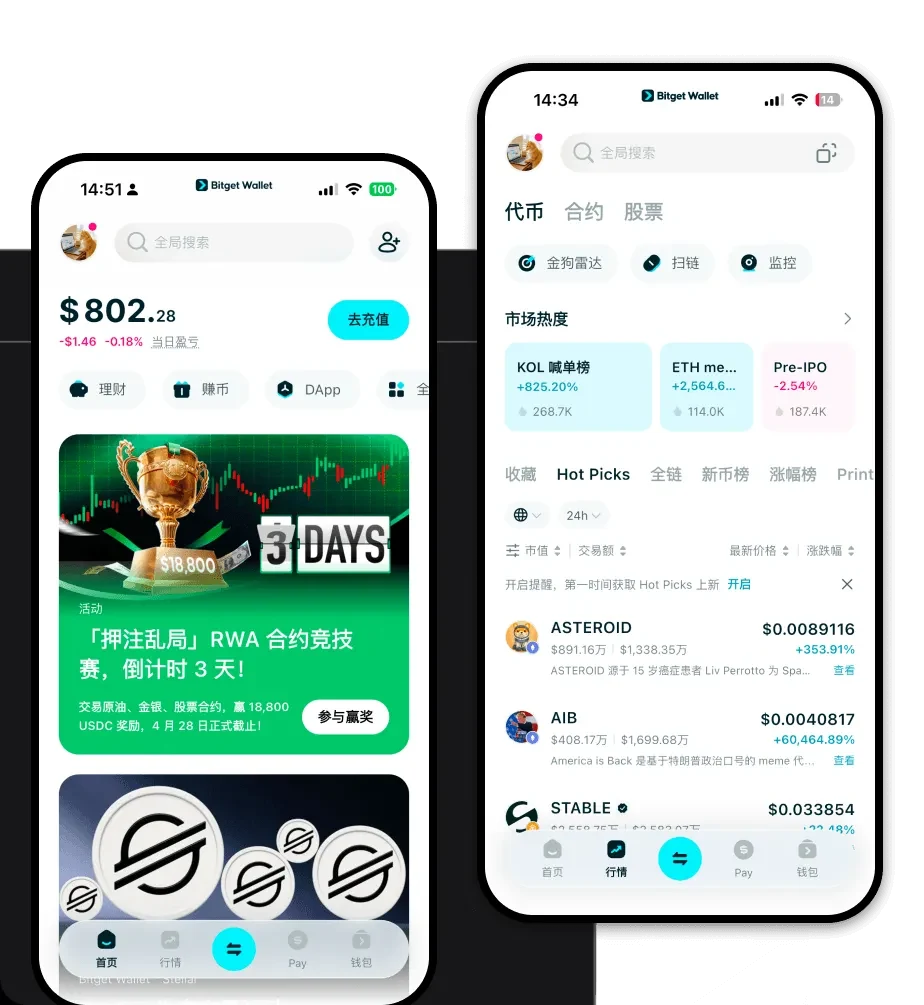
To start managing your assets, you need a reliable, user-friendly application. We recommend you download Bitget Wallet to experience a comprehensive Web3 gateway. Bitget Wallet provides full support for EVM chains, ensuring your JTB tokens are always accessible. Whether you are on the move or at your desktop, the platform offers a seamless experience across iOS, Android, and browser extension versions. With private key self-custody, you maintain complete control over your assets, while the multi-chain architecture allows you to manage JTB alongside hundreds of other tokens without switching between different apps.

3. Why Choose Bitget JTB Wallet?

Choosing the right wallet for DeFi tokens requires more than just basic storage; it demands deep EVM integration and high-performance tools. Here is why Bitget Wallet is the preferred choice for JTB users:

  • Native EVM Compatibility: Bitget Wallet is built from the ground up to support the Ethereum Virtual Machine, ensuring your JTB transactions are processed smoothly with full smart contract support.
  • Advanced DeFi Dashboard: Access your JTB portfolio, track yields, and monitor liquidity positions directly within the wallet interface without navigating to third-party sites.
  • Gas Fee Optimization: Benefit from intelligent gas estimation tools that help you execute JTB transactions at the most cost-effective times, crucial for active DeFi participants.
  • Robust Security Architecture: With a $300 million protection fund and audited DApp browser integration, your JTB holdings remain shielded from common Web3 vulnerabilities.
  • Cross-Chain Interoperability: Easily bridge your JTB or interact with assets across various EVM-compatible chains using the built-in cross-chain aggregator.

4. How to Create a JTB Wallet

Setting up your wallet is a straightforward process that grants you immediate access to the JTB ecosystem:

  1. Install the App: Download the official Bitget Wallet app from the official website or your mobile app store.
  2. Initialize Wallet: Open the app and select 'Create a New Wallet' to generate a new set of keys.
  3. Backup Seed Phrase: Carefully write down your 12-word recovery phrase and store it in a secure, offline location—never share this with anyone.
  4. Set Password: Establish a strong biometric or PIN-based password to secure your local device access.
  5. Import/Add Token: Navigate to the asset management section, click 'Add Token', and paste the JTB contract address to see your balance update in real-time.

5. What Can You Do With a JTB Wallet?

Owning JTB through a high-performance wallet opens up a wide range of decentralized financial opportunities. Here is how you can put your tokens to work:

  • Staking: You can lock your JTB tokens in supported smart contracts to earn passive rewards, helping secure the underlying network.
  • Trading: Use the built-in DEX aggregator to swap JTB for other assets with minimal slippage and high liquidity.
  • Providing Liquidity: Deposit your JTB into liquidity pools to facilitate decentralized trading, allowing you to earn a share of transaction fees.
  • Governance Voting: Utilize your JTB holdings to participate in decentralized governance, where you can vote on project proposals and future developments.
  • Yield Farming: Deploy your JTB into various yield farming protocols to maximize your returns by leveraging the DeFi ecosystem's automated strategies.

6. How JTB Wallets Are Different from Other Crypto Wallets

Not all wallets are equal, especially when dealing with DeFi-centric tokens like JTB. Unlike Bitcoin wallets that focus on the UTXO model for simple peer-to-peer transfers, a JTB wallet utilizes the account-based model characteristic of EVM chains. This allows for complex smart contract interactions—such as staking or yield farming—that simple wallets cannot handle. While some wallets charge high fees or offer slow transaction speeds, a specialized JTB wallet like Bitget focuses on gas efficiency and real-time synchronization with DeFi protocols, ensuring you never miss a market opportunity due to latency or network congestion.