





What is a JP Wallet?
A JP wallet is a digital interface designed to securely store, send, and manage your JP tokens. As an asset operating on the EVM (Ethereum Virtual Machine) blockchain, JP relies on the robust infrastructure of Ethereum-compatible networks, ensuring it benefits from the vast liquidity and decentralized application (DApp) ecosystem inherent to EVM chains. Whether you are holding these tokens for long-term stability or active participation in the digital economy, having a reliable gateway is essential.
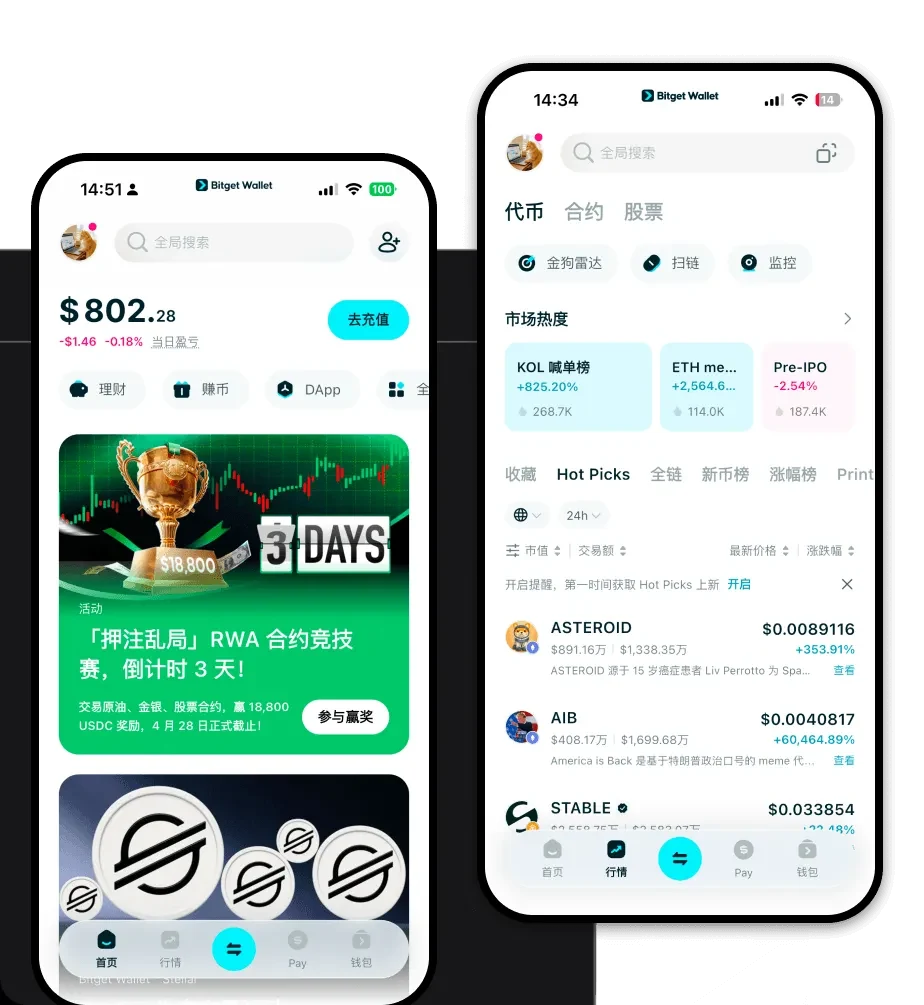
Are you looking for a reliable and secure crypto wallet for your JP? Bitget Wallet will be your best choice. Trusted by 40 million users, you can freely explore Web3 on Bitget Wallet. Start your journey now!
Download Bitget JP Wallet
To begin your journey, you need a robust tool that keeps your assets within reach while maintaining top-tier security. The Bitget Wallet app stands out by offering a seamless experience across iOS, Android, and browser extensions. Unlike custodial solutions, Bitget Wallet provides full private key self-custody, ensuring that you—and only you—have control over your funds. Its multi-chain architecture allows you to manage JP alongside thousands of other tokens effortlessly. To get started, download Bitget Wallet and sync your assets in minutes.
Why Choose Bitget JP Wallet?
Choosing the right wallet for an EVM-based stablecoin requires prioritizing stability and integration. Bitget Wallet is optimized to handle the specific needs of assets like JP:
- Fiat-Backed Stability: Built to manage assets that require precise price tracking, the wallet ensures your stablecoin holdings remain accurate and accessible.
- Regulatory Compliance: We prioritize a secure environment that aligns with modern standards, giving you peace of mind when handling regulated financial assets.
- EVM Compatibility: As a fully EVM-native wallet, it integrates perfectly with the thousands of DApps, DEXs, and DeFi protocols that support JP.
- Low Latency Transactions: Experience near-instant confirmation times, crucial for maintaining the flow of stablecoin payments without being bogged down by network congestion.
- Cross-Border Payment Efficiency: Optimized routing ensures that sending value across borders is fast and cost-effective, leveraging the best of the EVM network's capabilities.
How to Create a JP Wallet
Setting up your wallet is a straightforward process designed for both beginners and veterans:
- Install: Visit the official website or your app store to download Bitget Wallet.
- Create/Import: Open the app and choose to create a new wallet or import an existing one using your 12 or 24-word recovery phrase.
- Secure Your Keys: Write down your seed phrase on paper and store it offline—never share this with anyone.
- Add JP: Use the search function to locate 'JP' and toggle the switch to add it to your wallet dashboard.
- Verify Address: Click on the JP asset to view your unique wallet address, which you can now use to receive tokens.
What Can You Do With a JP Wallet?
Once your wallet is set up, you can leverage the full utility of your JP tokens:
- Cross-border Remittances: Use your JP tokens to transfer value globally in minutes, bypassing the slow and expensive traditional banking settlement layers.
- Digital Asset Trading: Seamlessly swap JP for other assets on integrated decentralized exchanges (DEXs) within the Bitget interface.
- Merchant Payments: Utilize your stablecoin holdings to pay for goods and services at supported merchants who accept crypto payments.
- Liquidity Provision: Deposit your JP into decentralized liquidity pools to earn yield, contributing to the health of the broader DeFi ecosystem.
- On-chain Hedging: Use JP as a stable anchor to protect your portfolio value during periods of high volatility in the crypto market.
How JP Wallets Are Different from Other Crypto Wallets
While many wallets offer basic storage, a specialized JP wallet on the EVM must handle specific technical requirements. Unlike Bitcoin wallets that utilize a UTXO (Unspent Transaction Output) model, an EVM-compatible wallet like Bitget uses an account-based model. This means your wallet tracks a balance rather than a list of transaction outputs, allowing for complex smart contract interactions. Furthermore, while some chains require managing resources like CPU or RAM, Bitget Wallet abstracts this complexity away, focusing on gas fee optimization to ensure your stablecoin transactions remain cheap and efficient, regardless of network load.
