What is a Joint Wallet?
A Joint wallet is a digital interface that allows you to securely store, manage, and interact with your Joint tokens. Because Joint operates on an EVM (Ethereum Virtual Machine) compatible chain, your wallet needs to support the specific smart contract standards associated with the Ethereum ecosystem. This ensures that you can hold your tokens, interact with decentralized applications (DApps), and execute transactions seamlessly across the network.
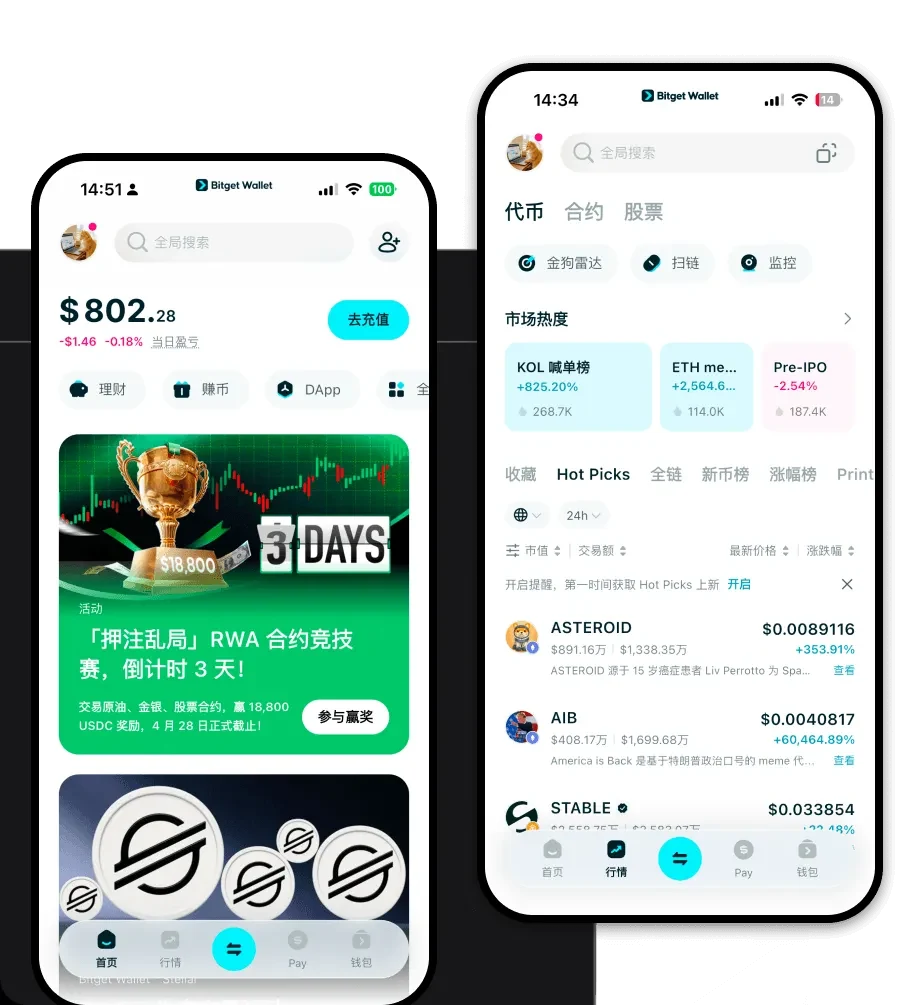
Are you looking for a reliable and secure crypto wallet for your Joint? Bitget Wallet will be your best choice. Trusted by 40 million users, you can freely explore Web3 on Bitget Wallet. Start your journey now!
Download Bitget Joint Wallet
Getting started with your digital asset journey requires a robust tool that balances security with accessibility. Bitget Wallet offers a comprehensive solution for Joint holders, providing a decentralized, non-custodial gateway to the blockchain. Whether you are using a desktop browser to interact with DeFi protocols or checking your portfolio on the go, the platform ensures you remain in total control of your private keys.
You can download Bitget Wallet across multiple platforms, including dedicated mobile apps for iOS and Android, as well as a powerful browser extension for seamless desktop integration. By choosing this route, you gain access to a multi-chain environment that supports over 130+ public chains, ensuring that your Joint tokens are always accessible alongside your other digital assets.
Why Choose Bitget Joint Wallet?
Selecting the right wallet for an EVM-based token like Joint is crucial for optimizing your DeFi experience. Bitget Wallet is engineered to handle the complexities of EVM chains while keeping the user experience intuitive.
- Native EVM Compatibility: Bitget Wallet is built to interface perfectly with EVM-based smart contracts, ensuring that your interactions with Joint-related protocols are smooth and error-free.
- Advanced Smart Contract Automation: Utilize built-in features that simplify complex DeFi transactions, reducing the manual effort required to manage your positions.
- Seamless Cross-Chain Interoperability: Easily move assets between different chains using integrated bridges, allowing you to leverage liquidity wherever it is most efficient.
- Decentralized Liquidity Provision: Access aggregated DEX liquidity directly through the wallet interface, ensuring you get the best rates for your Joint transactions.
- Robust Security Architecture: With a $300M protection fund, Bitget Wallet adds an extra layer of security, safeguarding your assets against potential vulnerabilities.
How to Create a Joint Wallet
- Download and Install: Visit the official Bitget Wallet site to download the app or browser extension.
- Create a New Wallet: Open the application and select 'Create a New Wallet.' Ensure you are in a private environment.
- Backup Your Mnemonic Phrase: Write down your 12-word recovery phrase on paper and store it securely offline; never share this with anyone.
- Verify Your Setup: Follow the on-screen prompts to verify your phrase, which confirms your account is ready for use.
- Import Joint Token: Navigate to the asset management section, search for 'Joint' by contract address, and add it to your visible token list.
What Can You Do With a Joint Wallet?
Holding Joint tokens in a versatile wallet like Bitget unlocks a range of decentralized finance capabilities designed to maximize your utility.
- Yield Farming: You can participate in yield farming by depositing your Joint tokens into liquidity pools to earn passive interest and protocol incentives.
- Staking for Rewards: By locking your Joint tokens in authorized staking smart contracts, you can secure the network while earning regular rewards for your contribution.
- Providing Liquidity to DEXs: You can act as a market maker by providing liquidity to decentralized exchanges, earning a share of the trading fees generated by the platform.
- Governance Voting: As a holder, you can exercise your right to vote on community proposals and protocol upgrades directly through your wallet interface, influencing the future direction of the project.
How Joint Wallets Are Different from Other Crypto Wallets
Managing a token like Joint requires a wallet that understands the nuances of the account-based model prevalent in the EVM ecosystem. Unlike UTXO-based wallets (like those for Bitcoin), which focus on tracking unspent transaction outputs, an EVM-focused wallet like Bitget manages balances directly linked to your wallet address. This structure is essential for executing the complex smart contract interactions that DeFi requires.
Furthermore, Bitget Wallet optimizes for the gas fee environment inherent to EVM chains. By offering real-time gas estimation and fee adjustment, it allows users to prioritize transaction speed or cost-efficiency. While other wallets might provide a static experience, Bitget offers an integrated environment where the wallet, the DApp browser, and the cross-chain bridge function as a unified ecosystem, significantly reducing the friction often found when navigating decentralized finance.