





What is an iagent Wallet?
An iagent wallet is a digital storage solution specifically designed to manage iagent tokens, which operate within the EVM (Ethereum Virtual Machine) ecosystem. iAgent is an AI-driven project that enables autonomous agents to interact with blockchain infrastructure, facilitating automated tasks and smart contract execution within the Web3 ecosystem. It leverages advanced AI models to simplify complex on-chain operations for users. Because iagent is built on EVM architecture, any wallet you use must be capable of handling ERC-20 token standards and interacting with smart contracts seamlessly. Having a dedicated wallet for iagent is essential not just for holding the token, but for engaging with the decentralized infrastructure the project provides.
Download Bitget iagent Wallet
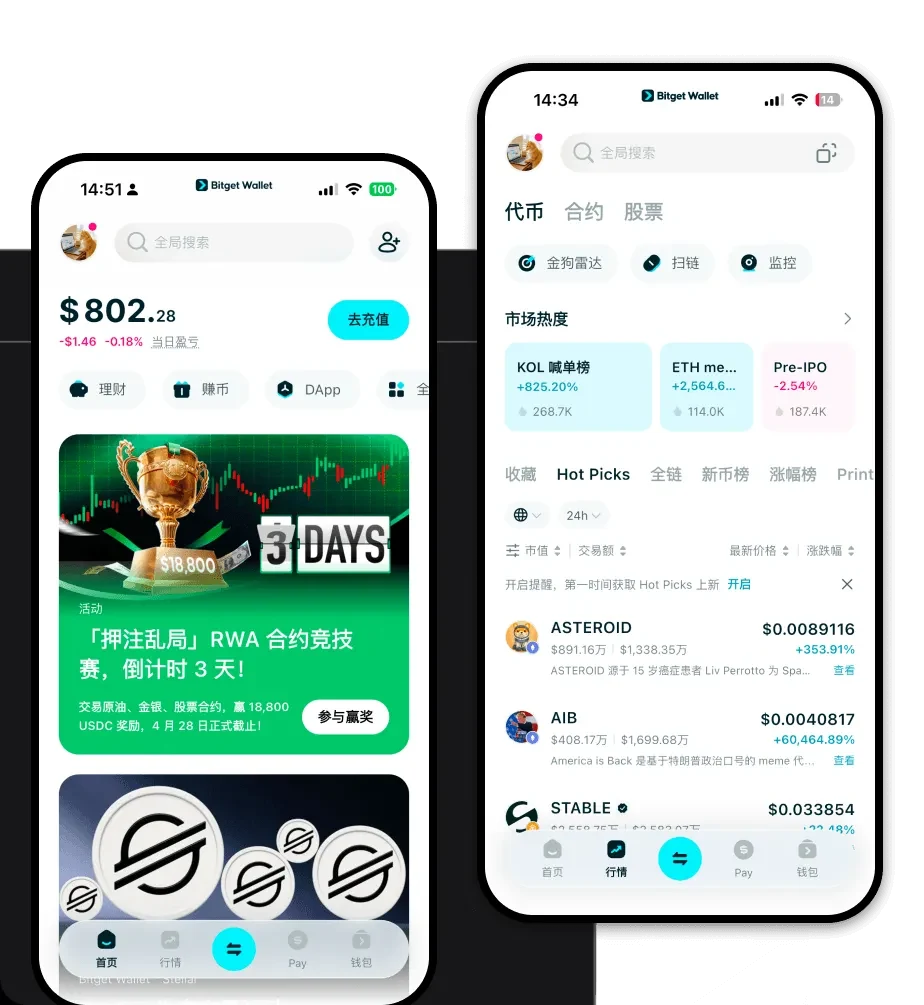
Finding the right home for your digital assets is the first step in your Web3 journey. To get started, you need a robust, user-friendly interface that keeps your assets secure while providing full control. We recommend that you download Bitget Wallet to manage your iagent holdings with ease. Bitget Wallet stands out as a top-tier choice because it provides true self-custody, meaning you—and only you—hold the private keys to your assets. Whether you prefer managing your portfolio on the go via iOS or Android, or you require the precision of a browser extension for desktop interactions, the platform has you covered. Furthermore, its extensive multi-chain support ensures that while you focus on iagent, you are not limited to a single network, allowing for fluid management of your entire crypto portfolio within one unified interface.
Why Choose Bitget iagent Wallet?
When dealing with infrastructure-focused tokens like iagent, your wallet choice directly impacts your operational efficiency. As an EVM-based project, iagent requires a wallet that understands the intricacies of smart contract interactions and gas fee management. Here is why Bitget Wallet is the best wallet for iagent:
- EVM Compatibility: Bitget Wallet offers native support for the EVM ecosystem, ensuring that your iagent tokens interact perfectly with decentralized applications and smart contracts without compatibility errors.
- Advanced Smart Contract Interaction: The interface is optimized for complex on-chain operations, allowing you to execute transactions and deploy contracts with a clear, intuitive dashboard.
- Dynamic Gas Fee Management: By providing real-time network congestion data, the wallet helps you optimize your gas spending, ensuring your automated transactions execute cost-effectively.
- Robust Security Architecture: With a $300 million user protection fund, Bitget Wallet adds an extra layer of defense against potential threats, keeping your assets shielded while you engage with the AI-driven iagent ecosystem.
- Seamless DApp Integration: You can connect directly to Web3 protocols and AI-driven platforms, making it significantly easier to manage your autonomous agents without switching between multiple applications.
How to Create an iagent Wallet
Setting up your wallet is a straightforward process that grants you full ownership of your digital assets. Follow these steps to get started:
1. Download and Install: Visit the official website to download Bitget Wallet for your preferred device (mobile or browser extension).
2. Create a New Wallet: Open the app and select 'Create a Wallet.' You will be prompted to set a strong, unique password for the application.
3. Backup Your Seed Phrase: The application will generate a 12-to-24-word recovery phrase. Write this down on paper and store it in a secure, offline location. Never share this with anyone.
4. Verify Your Phrase: You will be asked to confirm your recovery phrase to ensure you have backed it up correctly. This is the only way to recover your assets if you lose your device.
5. Add iagent to Your Assets: Since iagent is an EVM-based token, simply use the 'Add Token' function, paste the official iagent contract address, and the token will appear in your main wallet dashboard, ready for use.
What Can You Do With an iagent Wallet?
Holding iagent is just the beginning. The token is designed for active utility within the AI and Web3 infrastructure space. With your Bitget Wallet, you can participate in the following activities:
- Automated On-chain Trading: Utilize your iagent tokens to fuel autonomous trading strategies that react to market conditions in real-time, reducing the need for manual oversight.
- Smart Contract Deployment: Interact directly with the iagent framework to deploy your own smart contracts, enabling custom logic for your decentralized applications.
- AI Agent-based Asset Management: Use the wallet to authorize AI agents that manage your portfolio, allowing them to rebalance assets or execute yield strategies based on your predefined parameters.
- Decentralized Task Execution: Leverage the infrastructure to trigger automated tasks across the blockchain, such as batch transfers or routine contract interactions, without manual intervention.
- Web3 Protocol Interaction: Engage with various decentralized protocols that integrate with iagent, participating in governance or liquidity provision through a secure, connected interface.
How iagent Wallets Are Different from Other Crypto Wallets
Managing an infrastructure token like iagent requires a wallet that understands the EVM standard, which differs significantly from other network models. Unlike wallets built for UTXO-based chains (like Bitcoin), which focus on transaction inputs and outputs, an EVM-compatible wallet like Bitget focuses on the 'Account Model.' This means the wallet must manage state, smart contract logic, and token approvals, which are critical for iagent's functionality. Furthermore, while some chains use complex resource models (like CPU/NET/RAM for EOS), EVM wallets are centered around gas fees. This makes the ability to estimate gas fees accurately—a core feature of Bitget Wallet—vital for users running autonomous agents. When your agents are executing tasks, you need a wallet that provides low-latency transaction processing and clear visibility into contract interactions, distinguishing it from basic storage wallets that lack the depth required for infrastructure-heavy projects.
