





What is a HSD Wallet?
HSD (Handshake) is a decentralized naming protocol designed to replace the existing Certificate Authority (CA) system, enabling a more secure and censorship-resistant internet infrastructure. It serves as the native currency for the Handshake network, allowing users to register and manage top-level domains (TLDs) in a decentralized manner. Unlike many tokens that exist on EVM-compatible chains, HSD operates on its own unique architecture that prioritizes secure DNS infrastructure and permissionless TLD registration. An HSD wallet is essentially your gateway to this network, providing the interface required to hold, send, and interact with the Handshake protocol. Whether you are a developer looking to secure internet infrastructure or a crypto enthusiast interested in the future of decentralized domain names, having a reliable wallet is the first step.
Download Bitget HSD Wallet
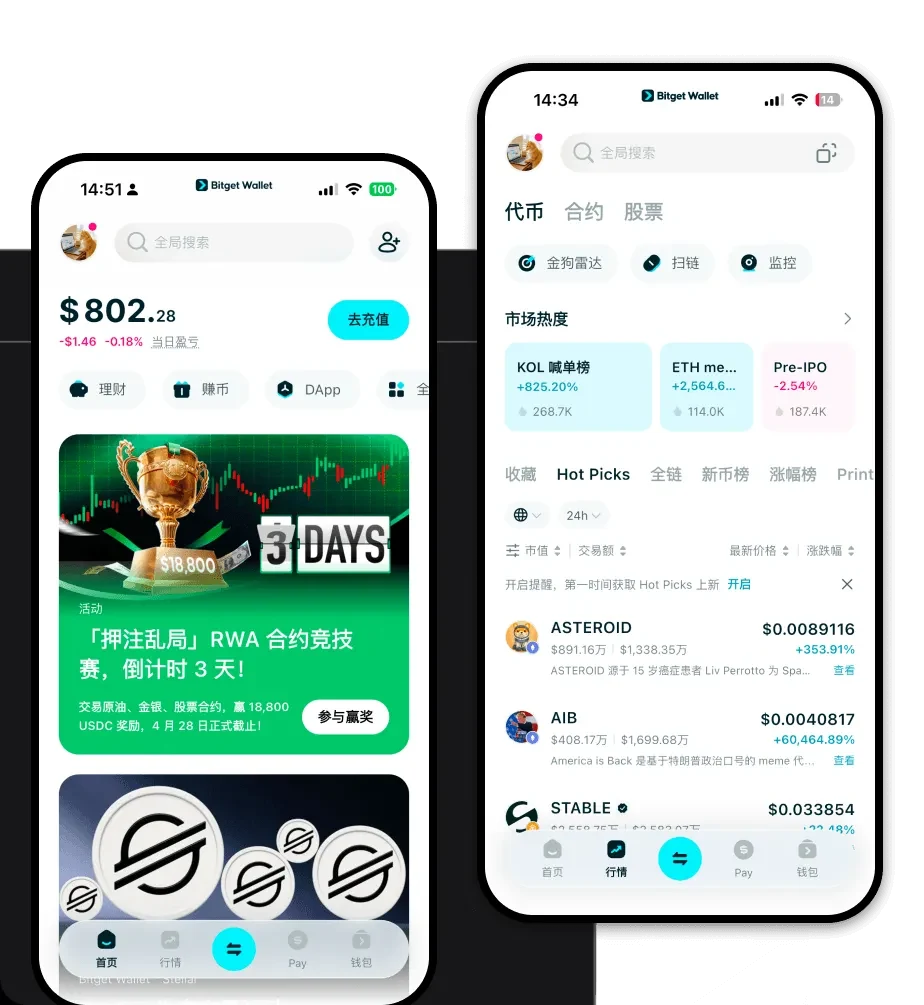
For those seeking the best wallet for HSD, Bitget Wallet stands out as a premier choice that combines high-level security with a user-friendly interface. It offers a comprehensive environment that supports a vast array of assets, ensuring you can manage your HSD alongside other holdings. Bitget Wallet provides full self-custody of your private keys, meaning you maintain complete control over your assets without reliance on a centralized authority. To get started, you can download Bitget Wallet directly for your iOS or Android device, or install the browser extension for desktop convenience. The app is designed to be intuitive for beginners while offering the advanced features that experienced users demand, making it an ideal hsd wallet app for all skill levels.
Why Choose Bitget HSD Wallet?
Choosing the right tool to manage your Handshake assets is critical. Bitget Wallet offers several distinct advantages that make it a superior choice for HSD users:
- Enhanced Security Infrastructure: With a dedicated 300 million USD user protection fund, Bitget Wallet provides a robust safety net for your assets, far surpassing standard industry practices.
- Multi-Chain Versatility: While HSD is a unique asset, Bitget Wallet supports over 130 mainstream chains, allowing you to manage your entire portfolio in one place without switching between different apps.
- Intuitive Asset Management: The interface is designed to simplify complex actions, making it easy to view your HSD balance, transaction history, and network status at a glance.
- Self-Custodial Control: You retain exclusive ownership of your private keys and recovery phrases, ensuring that no third party can access your funds.
- Advanced DApp Integration: Access a wide range of decentralized applications directly through the built-in browser, facilitating seamless interaction with the broader crypto ecosystem.
How to Create a HSD Wallet
Creating your wallet is a straightforward process that ensures you are ready to manage your HSD securely. Follow these steps:
- Install the Application: Visit the official website to download Bitget Wallet for your preferred platform.
- Create a New Wallet: Open the app and select the option to create a new wallet.
- Backup Your Seed Phrase: You will be presented with a recovery phrase. Write this down on paper and store it in a secure location; never share this with anyone.
- Verify Your Backup: The app will ask you to confirm your seed phrase to ensure you have recorded it correctly.
- Secure Your Wallet: Set a strong password or enable biometric authentication for an added layer of protection before you start receiving your HSD wallet address.
What Can You Do With a HSD Wallet?
Owning an HSD wallet opens the door to participating in the Handshake ecosystem. Here are the primary ways you can utilize your holdings:
- Registering Top-Level Domains: You can use HSD to participate in auctions and register your own custom top-level domains (TLDs) on the decentralized naming protocol.
- Trading Domain Names: Once you have registered a TLD, your wallet allows you to manage and trade these domain names on secondary markets, turning them into valuable digital assets.
- Managing Decentralized DNS Records: You can actively manage and update your decentralized DNS records, ensuring your domains point to the correct services without reliance on legacy systems.
- Securing Internet Infrastructure: By holding and using HSD, you contribute to the decentralized nature of the network, playing a direct role in creating a more censorship-resistant internet.
- Network Governance: Your wallet allows you to engage in network governance, enabling you to vote on protocol upgrades and influence the future direction of the Handshake network.
How HSD Wallets Are Different from Other Crypto Wallets
It is important to understand that an HSD wallet functions differently from a standard EVM wallet like MetaMask. While EVM wallets are primarily focused on gas fees, smart contract execution, and DeFi farming, an HSD wallet is built to interact with a proof-of-work consensus mechanism tailored for naming infrastructure. Unlike chains that prioritize transaction speed for high-frequency trading, the Handshake network prioritizes the security of the naming system itself. When managing HSD, you are not dealing with typical DeFi yield farming parameters; instead, you are interacting with a specialized infrastructure layer. This requires a wallet that can handle the unique technical requirements of the Handshake network while maintaining the ease of use expected of a modern crypto wallet.
