What is a cryptblast Wallet?
A cryptblast wallet is a specialized digital interface designed to manage assets living on the EVM (Ethereum Virtual Machine) blockchain. Because cryptblast operates within the EVM ecosystem, it requires a wallet that is compatible with Ethereum-based standards, including ERC-20 token protocols. An EVM-compatible wallet functions as your gateway to the decentralized web, allowing you to hold, send, and interact with smart contracts directly.
Using the right wallet is crucial because it acts as the bridge between your personal assets and the complex architecture of the blockchain. As a Meme token, cryptblast is highly sensitive to market fluctuations and community sentiment, making the responsiveness and reliability of your wallet a primary concern for any serious participant.
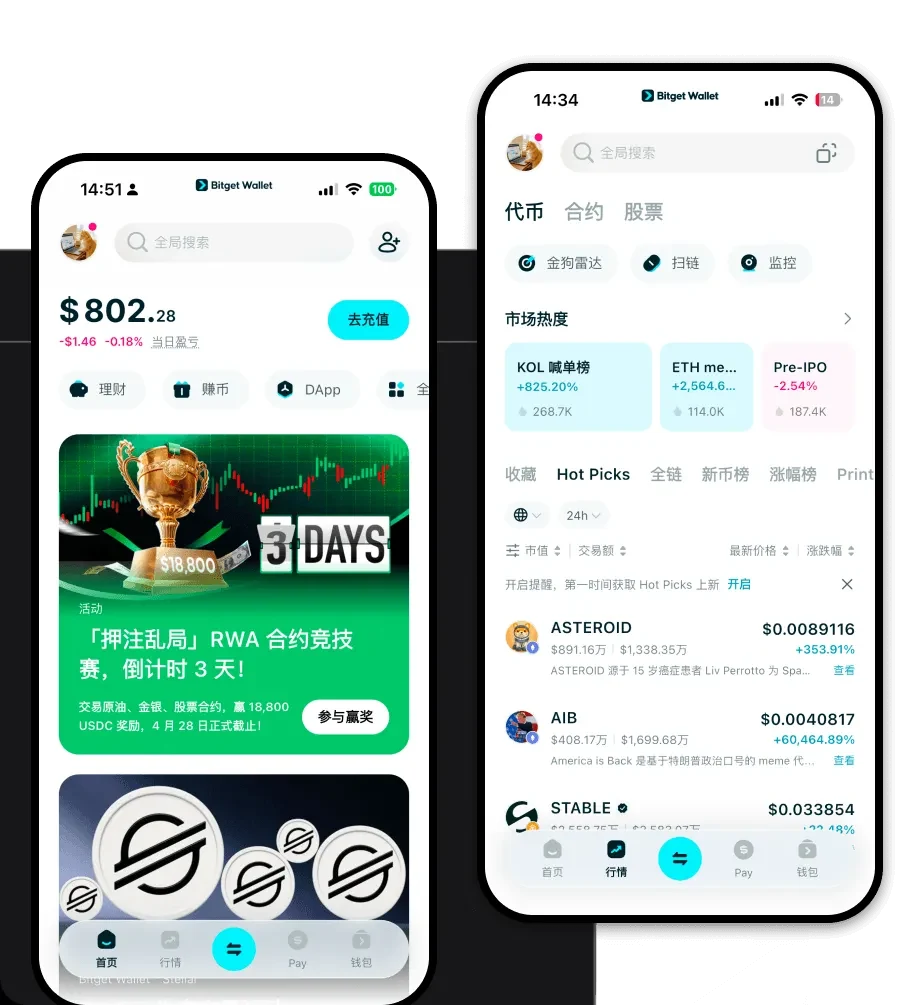
Are you looking for a reliable and secure crypto wallet for your CRYPTBLAST? Bitget Wallet will be your best choice. Trusted by 40 million users, you can freely explore Web3 on Bitget Wallet. Start your journey now!
Download Bitget cryptblast Wallet
Getting started with your asset management begins by securing a robust toolset. You can download Bitget Wallet to access a comprehensive suite of features designed for both power users and beginners. Bitget Wallet is available across all major platforms, including iOS, Android, and as a browser extension, ensuring that your cryptblast tokens are accessible whether you are on the move or working from a desktop.
This wallet is built on the principle of self-custody, meaning you hold the private keys and maintain full control over your assets. With native multi-chain support, it provides a unified experience, allowing you to switch between different networks seamlessly. Whether you are managing cryptblast on the mainnet or exploring Layer 2 scaling solutions, the installation process is streamlined to get you operational in minutes.
Why Choose Bitget cryptblast Wallet?
When dealing with volatile assets like Meme tokens, your wallet choice directly influences your ability to react to market changes. Bitget Wallet is optimized for the EVM ecosystem, providing several distinct advantages:
- MetaMask Compatibility: Bitget Wallet allows for an easy import process, enabling you to switch from other EVM-compatible wallets without losing your existing address history or connectivity.
- Gas Fee Optimization: The platform offers intelligent gas fee estimation and management tools, which are vital when trading Meme tokens during periods of high network congestion.
- Deep Liquidity Integration: By aggregating hundreds of DEXs and cross-chain bridges, Bitget Wallet ensures you always find the best swap rates for your cryptblast, minimizing slippage.
- Institutional-Grade Security: With a 300 million USD user protection fund, the platform provides a safety net that is significantly more robust than standard non-custodial wallets.
- Community-Driven Features: The interface is designed to highlight social media sentiment and trending tokens, making it easier to stay ahead of the curve in the Meme token market.
How to Create a cryptblast Wallet
Creating a wallet on the EVM network is a straightforward process that prioritizes user security. Follow these steps to set up your account:
Step 1: Visit the official website and download the application for your specific device (iOS, Android, or Browser Extension).
Step 2: Open the application and select 'Create a New Wallet.' You will be prompted to set a strong, unique password to encrypt your local device storage.
Step 3: The system will generate a Seed Phrase (Recovery Phrase). It is critical that you write this down on paper and store it offline. Never share this phrase with anyone, as it grants full access to your cryptblast assets.
Step 4: Verify your recovery phrase by entering the words in the correct order as requested by the application.
Step 5: Once verified, your EVM-compatible address is generated. You can now import or deposit your cryptblast tokens to this address to start managing your portfolio.
What Can You Do With a cryptblast Wallet?
Owning a cryptblast wallet is about more than just storage; it is about active participation in the Web3 economy. Here is how you can utilize your wallet:
- Trading: You can execute rapid swaps and trades directly through the integrated DApp browser, allowing you to take advantage of high volatility by entering and exiting positions quickly.
- Speculative Investment: By utilizing the wallet's real-time market data, you can track your portfolio's performance and make informed decisions regarding your speculative positions in Meme tokens.
- Community Participation: Many Meme projects require wallet connection to participate in DAOs, governance voting, or community-exclusive airdrops; your wallet serves as your digital identity in these spaces.
- Holding: For long-term investors, the wallet offers a secure environment to store your assets safely while shielding them from the risks associated with centralized exchange liquidity issues.
How cryptblast Wallets Are Different from Other Crypto Wallets
Understanding the architecture behind your wallet is key to realizing why the Bitget Wallet experience differs from others. Unlike wallets designed for the UTXO (Unspent Transaction Output) model—which is common in Bitcoin and requires managing change addresses—an EVM-based wallet like Bitget uses an 'Account-Based' model. This means your address functions like a bank account with a balance, which simplifies the process of tracking tokens and interacting with complex smart contracts.
Furthermore, EVM wallets must handle gas fees, which are the costs associated with processing transactions on the blockchain. Bitget Wallet excels here by simplifying the gas payment process, ensuring that even during high-traffic periods, your transactions are prioritized. While some wallets are strictly limited to one blockchain, Bitget's multi-chain architecture allows you to manage your EVM assets alongside tokens from other ecosystems, providing a level of speed and fee efficiency that is often lacking in more basic, single-chain wallet applications.