





What is a pPASS Wallet?
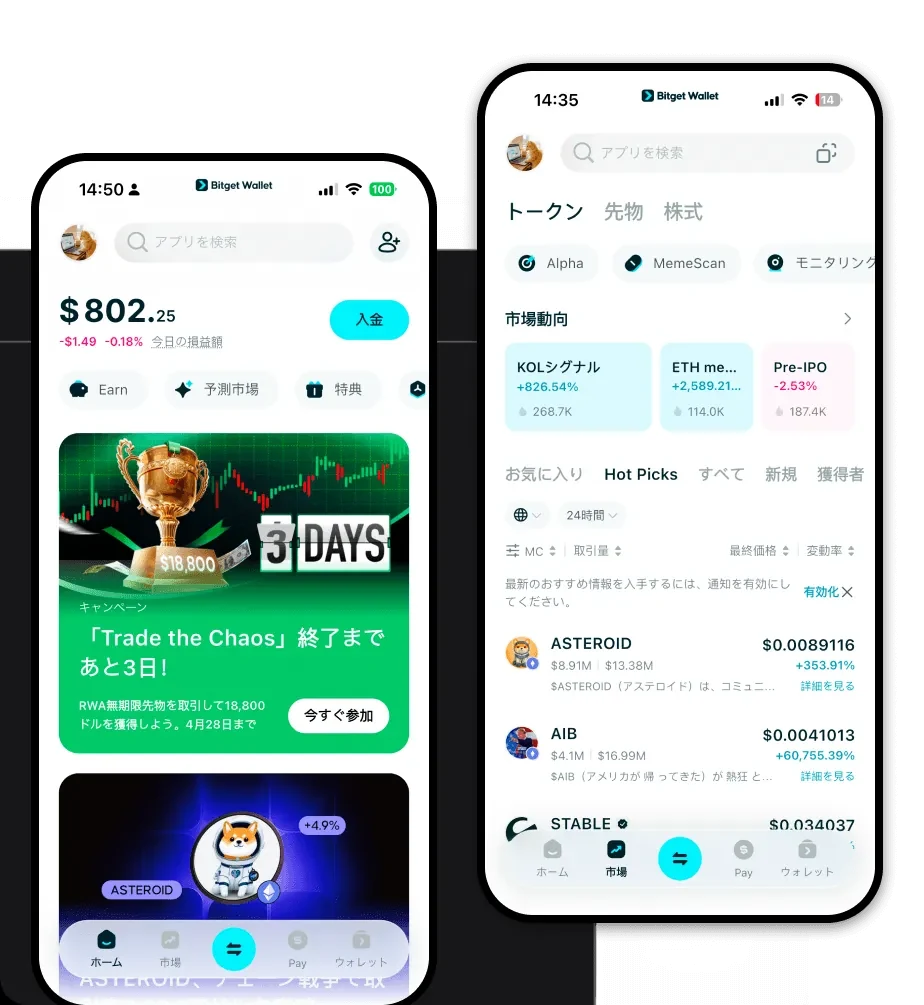
A pPASS wallet is a secure digital interface designed to interact with the pPASS token, which operates within the EVM (Ethereum Virtual Machine) ecosystem. As a foundational asset for the PassPay ecosystem, pPASS is engineered to facilitate secure and efficient transactions within its Web3 environment. Users can leverage compatible crypto wallets, such as Bitget Wallet, to manage, store, and engage with their pPASS tokens securely. Because pPASS is built on EVM architecture, it benefits from the vast interoperability of Ethereum-based standards, allowing it to move seamlessly across decentralized applications and various DeFi protocols.
Download Bitget pPASS Wallet
For users seeking the best wallet for pPASS, Bitget Wallet stands out as a top-tier choice. It provides a robust, user-friendly environment that caters to both newcomers and seasoned DeFi participants. The application is designed for full self-custody, meaning you retain complete control over your private keys and assets at all times. Bitget Wallet offers comprehensive support across iOS, Android, and browser extensions, ensuring that your pPASS assets are accessible whenever and wherever you need them. To get started, simply download Bitget Wallet and follow the setup instructions to integrate your pPASS assets into a secure, multi-chain environment.
Why Choose Bitget pPASS Wallet?
Choosing the right tool is essential for managing digital assets effectively. Bitget Wallet provides several distinct advantages for pPASS holders:
- EVM Compatibility: As a native-like experience for the EVM ecosystem, Bitget Wallet allows you to interact with pPASS-related smart contracts without compatibility issues.
- Advanced Security: With a 300 million USD user protection fund, Bitget Wallet offers a layer of financial security that is rare in the self-custody space.
- DeFi Integration: The wallet is purpose-built for DeFi, allowing you to connect to liquidity pools, yield farms, and decentralized exchanges with a single click.
- Optimized Gas Management: The wallet helps you monitor and manage gas fees efficiently, ensuring that your pPASS transactions remain cost-effective even during network congestion.
- Multi-Chain Support: Beyond the EVM, Bitget Wallet allows you to manage assets across 130+ public chains, making it a unified hub for your entire portfolio.
How to Create a pPASS Wallet
Setting up your pPASS wallet is a straightforward process designed to prioritize your security:
Step 1: Download the official Bitget Wallet app from your device's app store or the official website.
Step 2: Launch the application and select 'Create a New Wallet' to generate a fresh set of private keys and a recovery phrase.
Step 3: Carefully record your mnemonic phrase on paper and store it in a secure, offline location; never share this with anyone.
Step 4: Access the 'Token Management' section, search for 'pPASS', and toggle the switch to add it to your main dashboard.
Step 5: Copy your pPASS wallet address from the dashboard to receive tokens, ensuring you are operating on the correct EVM network.
What Can You Do With a pPASS Wallet?
A pPASS wallet is more than just a storage tool; it is a gateway to the broader DeFi economy. Here is how you can utilize your tokens:
Trading: You can use your pPASS wallet to swap tokens directly on decentralized exchanges, taking advantage of the wallet’s built-in DEX aggregator to find the best market prices.
Staking: By connecting your wallet to compatible DeFi protocols, you can stake your pPASS tokens to participate in governance or earn yield rewards over time.
Payments: As a core utility of the PassPay ecosystem, you can use your pPASS wallet for decentralized payment integration, enabling fast and secure settlements for goods and services within supported Web3 applications.
Digital Asset Storage: Your wallet provides a highly secure environment for digital asset storage, giving you peace of mind knowing that your pPASS holdings are protected by industry-standard encryption and self-custody mechanisms.
How pPASS Wallets Are Different from Other Crypto Wallets
The distinction between a standard wallet and a specialized EVM-compatible wallet like Bitget lies in the architecture. Unlike UTXO-based wallets (common in Bitcoin), which track unspent transaction outputs, pPASS wallets operate on the Account-based model. This model is essential for executing the complex smart contract interactions required for DeFi. Furthermore, while generic wallets may struggle with network congestion, Bitget Wallet optimizes for the EVM environment by providing real-time gas fee estimations and transaction acceleration features. This ensures that when you interact with pPASS, you are doing so with the highest level of speed and cost efficiency available in the current market.
