What is an LLG Wallet?
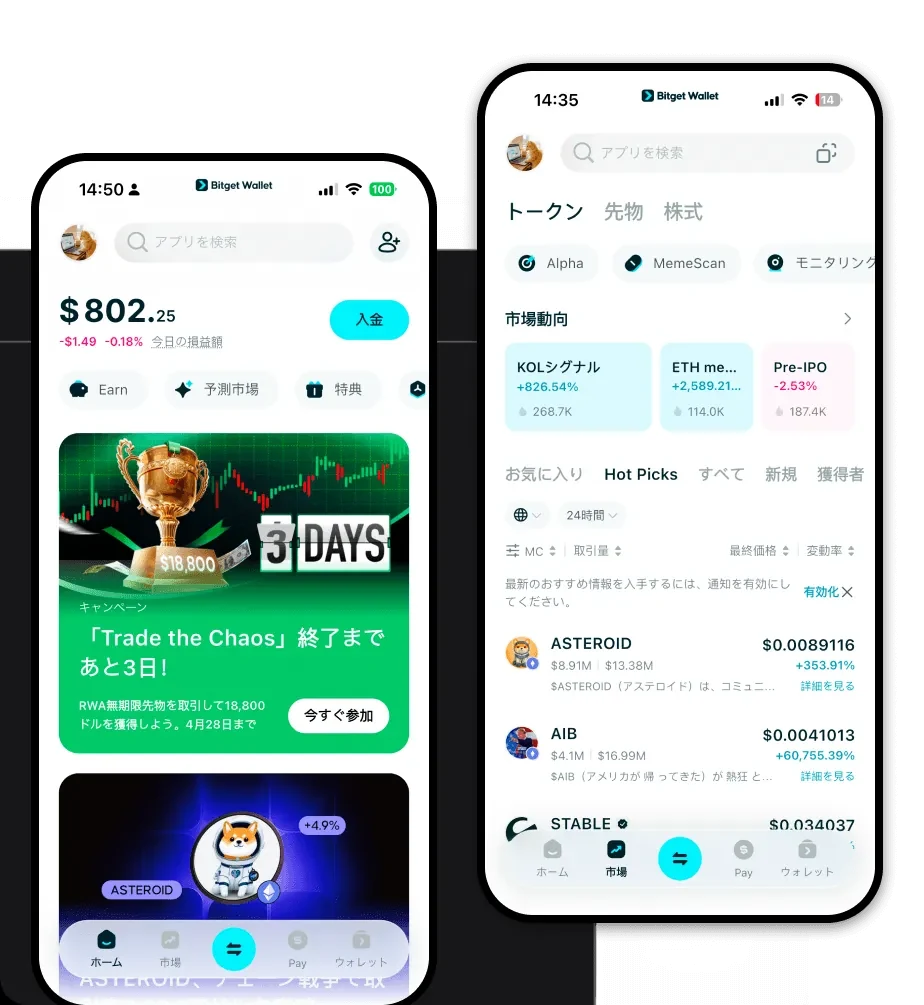
An LLG wallet is a specialized digital interface designed to interact with the LLG token, which operates on the EVM (Ethereum Virtual Machine) blockchain. Because LLG functions within the EVM ecosystem, it requires a wallet that supports Ethereum-based standards, allowing for seamless interaction with decentralized applications, smart contracts, and token swaps. LLG is a digital asset that can be securely managed and stored using the Bitget Wallet, a platform trusted by 40 million users for exploring the Web3 ecosystem.
Download Bitget LLG Wallet
To begin your journey with LLG, you need a robust tool that simplifies complex blockchain interactions. The Bitget Wallet app is designed to bridge the gap between traditional finance and the decentralized world. Whether you are using a smartphone or a desktop browser, you can access your assets anywhere. The wallet supports multi-chain interoperability, ensuring that you aren't siloed into a single ecosystem. Furthermore, it prioritizes self-custody, meaning you retain complete control over your private keys and seed phrases. To get started, you can download Bitget Wallet directly for iOS, Android, or as a browser extension to experience a seamless interface tailored for the modern Web3 user.
Why Choose Bitget LLG Wallet?
Choosing the right wallet for an EVM-based meme coin like LLG is crucial for security and efficiency. Bitget Wallet stands out by providing specific advantages for this asset class:
- EVM Compatibility: Built natively to handle the Ethereum Virtual Machine, ensuring that LLG transactions are processed smoothly with full support for smart contract interactions.
- High Liquidity Aggregation: By integrating hundreds of decentralized exchanges, the wallet ensures you get the best price execution for your LLG trades, which is vital for meme coins with high volatility.
- Advanced Security Infrastructure: With over $300 million in user protection funds, the wallet provides a safety net that is rare in the decentralized space, protecting your assets against potential vulnerabilities.
- Community-Driven Focus: The interface is optimized for tracking trending assets, making it easier to monitor community sentiment and market movements surrounding LLG.
- Low Barrier to Entry: The intuitive design removes the friction typically associated with decentralized trading, making it an ideal choice for both newcomers and seasoned traders.
How to Create an LLG Wallet
Setting up your wallet is a straightforward process designed to prioritize your ownership of assets. Follow these steps to get started:
- Installation: Download the Bitget Wallet application from the official store or website.
- Initialization: Open the app and select the option to create a new wallet.
- Backup: Record your seed phrase securely; this is the only way to recover your wallet if you lose access to your device.
- Verification: Confirm your seed phrase within the app to ensure you have saved it correctly.
- EVM Integration: Since LLG is an EVM asset, ensure the Ethereum or relevant EVM-compatible network is enabled in your wallet settings, and you are ready to receive or import your LLG tokens.
What Can You Do With an LLG Wallet?
Owning LLG tokens opens up several avenues for participation in the Web3 space. Here is how you can effectively manage your assets:
- Trading: You can execute rapid swaps of LLG against other assets directly within the app, leveraging the built-in DEX aggregator for optimal rates.
- Holding: Store your LLG tokens securely in a self-custodial environment, ensuring that your assets are protected by top-tier encryption and security protocols.
- Portfolio Management: Use the built-in tracking tools to monitor the performance of your LLG holdings in real-time, providing a clear overview of your digital net worth.
- Speculative Investment: Engage in market participation by monitoring price fluctuations and liquidity trends, allowing you to react quickly to the dynamic nature of meme coin markets.
How LLG Wallets Are Different from Other Crypto Wallets
Unlike wallets designed for Bitcoin's UTXO (Unspent Transaction Output) model, an LLG wallet is built for the EVM account-based model. This distinction is significant. While Bitcoin wallets focus on transaction inputs and outputs to verify balances, an LLG wallet interacts with account balances directly, allowing for complex smart contract interactions that are the backbone of DeFi. Furthermore, because LLG operates on EVM chains, you will need to manage gas fees—the transaction costs paid to network validators—which are distinct from the resource models found in chains like EOS or the high-performance throughput seen in Solana. Bitget Wallet optimizes these gas calculations, providing a smoother experience than standard wallets that often struggle with fee estimation during periods of network congestion.