





What is a Lien Wallet?
A Lien wallet is a digital interface that allows you to securely interact with the Lien protocol, a decentralized finance (DeFi) ecosystem built on the EVM (Ethereum Virtual Machine). Lien is a decentralized finance (DeFi) protocol that provides a platform for creating and trading synthetic assets, focusing on providing an automated and transparent financial infrastructure without central intermediaries.
Because Lien operates on the EVM, it requires a wallet that is fully compatible with Ethereum-based standards. This means your Lien wallet must be capable of handling ERC-20 tokens, managing smart contract interactions for synthetic asset issuance, and navigating the complexities of liquidity management protocols. Choosing the right wallet ensures that you retain full custody of your assets while having the flexibility to engage with various DeFi instruments.
Download Bitget Lien Wallet
To start interacting with the Lien ecosystem, you need a robust, user-friendly tool that bridges the gap between complex DeFi protocols and everyday usage. Bitget Wallet stands out as a premier choice for Lien users due to its seamless integration with the EVM landscape.
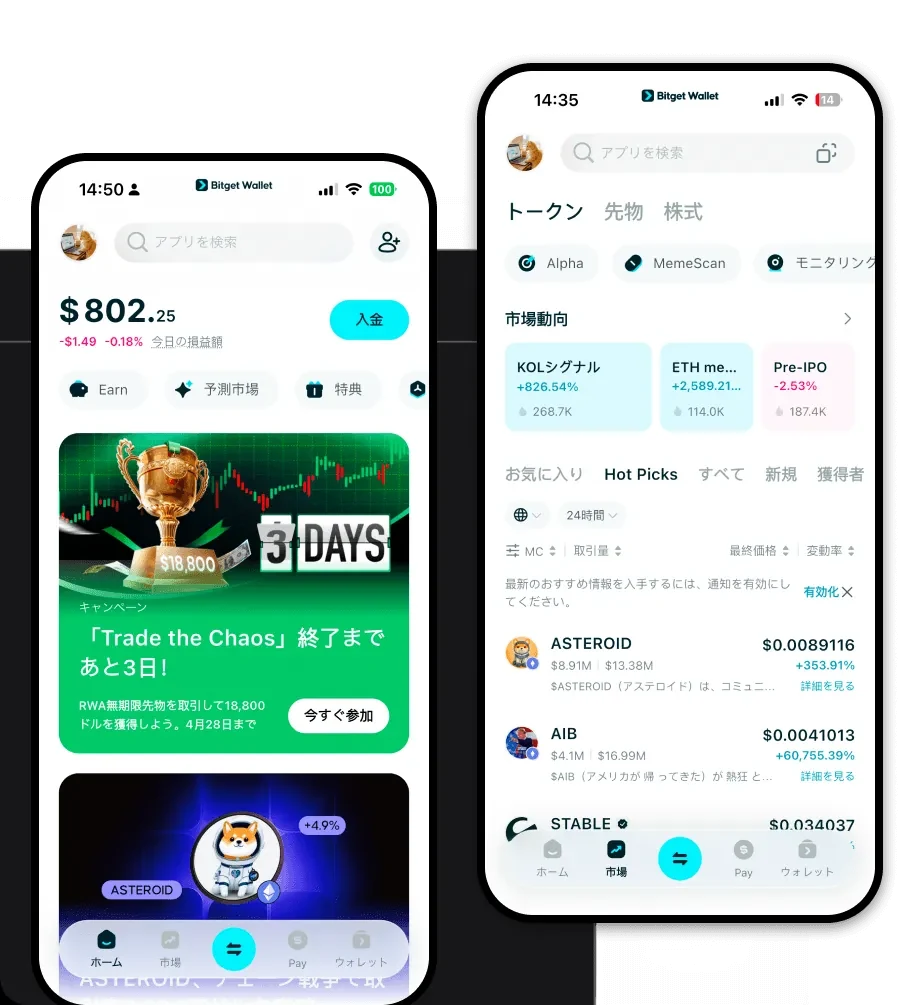
Bitget Wallet offers a comprehensive solution for managing your digital assets, featuring full non-custodial control, meaning you hold your private keys and have complete authority over your funds. Whether you prefer managing assets on the go or through a desktop browser, Bitget Wallet provides a unified experience across iOS, Android, and browser extensions. To get started, you can download Bitget Wallet and experience a secure, multi-chain gateway that supports over 130 public chains, ensuring that your Lien tokens are always accessible alongside your other portfolio assets.
Why Choose Bitget Lien Wallet?
- EVM Ecosystem Optimization: Bitget Wallet is architected for EVM chains, offering superior gas fee management and transaction speed, which is critical when executing time-sensitive trades within the Lien protocol.
- Advanced Security Infrastructure: With a dedicated 300 million USD user protection fund, Bitget Wallet provides an extra layer of security that goes beyond standard self-custody, giving you peace of mind while engaging in DeFi.
- Integrated DApp Browser: Easily access the Lien protocol and other synthetic asset platforms directly through the built-in DApp browser, removing the need for insecure third-party connections.
- Automated Liquidity Management: The wallet interface simplifies complex interactions, helping you manage your liquidity positions and collateralized risks without needing to switch between multiple platforms.
How to Create a Lien Wallet
Setting up your wallet to hold Lien is a straightforward process designed for maximum security and ease of use:
- Download and Install: Visit the official website to download Bitget Wallet on your preferred device (mobile or desktop extension).
- Create a New Wallet: Open the app and select 'Create a Wallet.' You will be prompted to set a secure password for your local device access.
- Backup Your Seed Phrase: This is the most critical step. The app will generate a 12-word recovery phrase. Write this down on paper and store it in a secure, offline location. Never share this with anyone.
- Verify and Setup: Follow the on-screen prompts to verify your seed phrase, which confirms you have backed it up correctly.
- Add Lien Token: Once your wallet is ready, use the 'Add Token' or 'Import' function, search for the Lien contract address on the Ethereum network, and add it to your dashboard to begin tracking your balance.
What Can You Do With a Lien Wallet?
Once you have set up your wallet, you unlock the full potential of the Lien protocol. Here is how you can actively use your Lien assets:
- Minting synthetic assets: Utilize the protocol to create various synthetic instruments directly from your wallet, allowing you to gain exposure to different financial markets without holding the underlying assets.
- Providing liquidity: Deposit your assets into Lien liquidity pools to facilitate trading and earn a share of the transaction fees generated by the platform.
- Trading derivatives: Execute non-custodial trades for synthetic derivatives, leveraging the automated infrastructure to enter and exit positions efficiently.
- Staking for yield: Lock your Lien tokens or liquidity provider (LP) tokens into staking contracts to generate passive yield, optimizing your capital efficiency within the DeFi ecosystem.
- Governance voting: Participate in the decentralized decision-making process by using your wallet to cast votes on protocol upgrades and parameter changes, ensuring the platform evolves according to community consensus.
How Lien Wallets Are Different from Other Crypto Wallets
Not all wallets are created equal, especially when dealing with DeFi-centric tokens like Lien. Unlike wallets designed for simple storage, a specialized Lien wallet must handle the intricacies of the account-based model used by EVM chains. While Bitcoin wallets operate on a UTXO (Unspent Transaction Output) model, which focuses on tracking 'inputs' and 'outputs' for simple transfers, your Lien wallet functions on an account-based model.
This means your wallet must track your 'account state'—including your token balance, smart contract permissions, and nonce values for every transaction. Furthermore, because DeFi involves constant interaction with smart contracts, your wallet must provide transparent gas fee estimation. While some wallets struggle with network congestion, a high-quality Lien wallet like Bitget Wallet optimizes your transactions to ensure you aren't overpaying for gas, providing a much smoother experience when executing complex DeFi strategies compared to generic, one-size-fits-all wallets.
