





Apolloウォレットとは?
Apolloウォレットとは、同名のオープンソースAIエージェントプラットフォームの派生プロジェクトであるApolloトークンと対話するためのデジタルインターフェースです。Nous Researchが開発したオープンソース(MITライセンス)のHermesモデルを基盤として構築されたApolloは、高度な人工知能とブロックチェーンインフラの橋渡しをするよう設計されています。このプラットフォームは、6種類のブラウザ常駐型自律エージェントとセルフホスト型のコマンドセンターを備えており、特に研究者、エンジニア、アナリスト向けに調整されています。Apolloは、ネイティブデスクトップ統合とゼロ構成要件を備えた、長期的かつマルチロールなセルフホスト型自動ワークフローを提供することで、インフラ技術における重要な転換点となります。ApolloはEVM(イーサリアム仮想マシン)チェーン上で動作するため、トークンを効率的に保有、転送、やり取りするには、EVM互換資産をサポートするウォレットが必要です。
Bitget Apolloウォレットのダウンロード
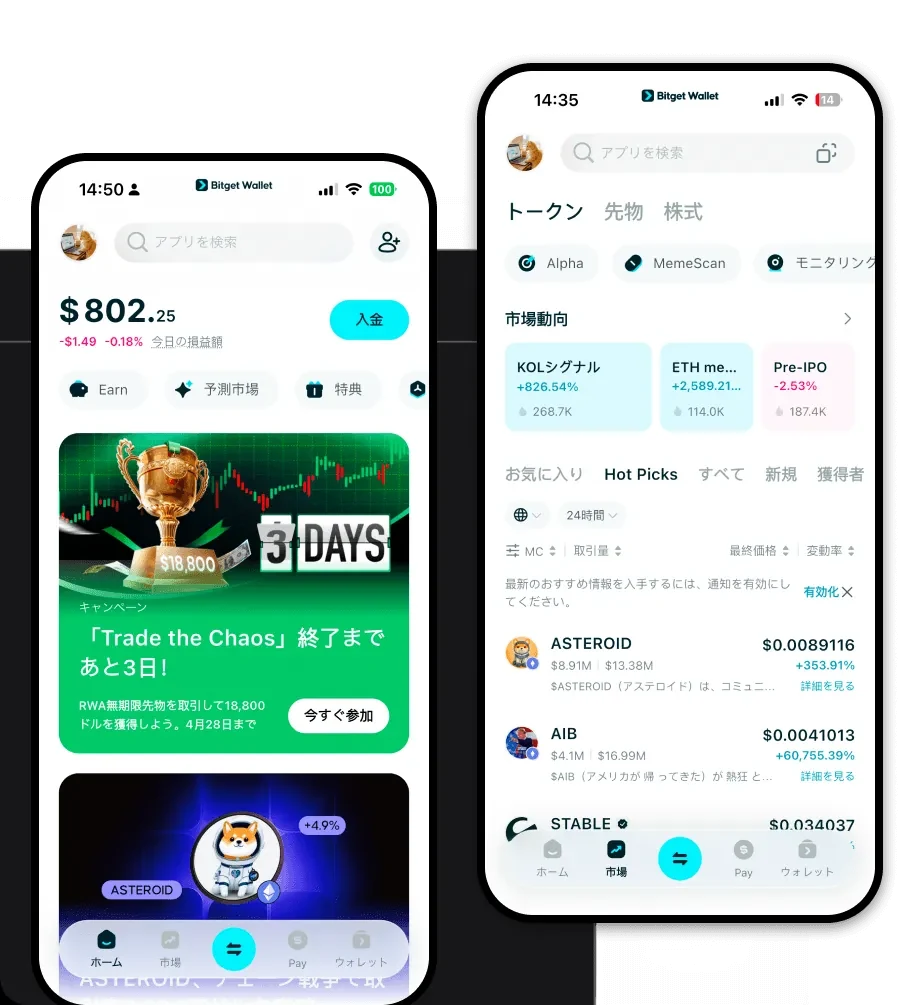
Apolloでの旅を始めるには、デジタル資産を完全にコントロールできる信頼性の高いゲートウェイが必要です。Bitget Walletは、初心者から熟練ユーザーまでシームレスな体験を提供する最高の選択肢として際立っています。iPhone、Androidデバイス、デスクトップブラウザのいずれを使用している場合でも、簡単にBitget Walletをダウンロードして始めることができます。Bitget Walletは、秘密鍵を完全に管理できる堅牢で分散化された環境を提供します。つまり、あなただけがトークンの唯一の所有者となります。130以上のパブリックチェーンと数百万のトークンをサポートしているため、ポートフォリオを管理するために複数のアプリを使い分ける必要はありません。インストールプロセスは簡単で、インターフェースはマルチチェーンのナビゲーションを直感的、安全、かつ高速に行えるように設計されています。
なぜBitget Apolloウォレットを選ぶのか?
ApolloのようなEVMベースのプロジェクトに適したウォレットを選択するには、互換性、速度、セキュリティに注意を払う必要があります。Bitget WalletがApolloに最適なウォレットである理由は以下の通りです:
- シームレスなEVM互換性: Bitget WalletはEVMエコシステムとネイティブに統合されており、Apolloのスマートコントラクトとのやり取りがスムーズでエラーがなく、標準的なDeFiプロトコルと高度に互換性があることを保証します。
- 高度なガス代管理: EVMチェーンは混雑することがあるため、Bitget Walletはリアルタイムのガス代に関するインサイトと最適化ツールを提供し、最も費用対効果の高いタイミングで取引を実行できるよう支援します。
- 堅牢なセキュリティアーキテクチャ: 3億ドル以上のユーザー保護基金を備えたBitget Walletは、潜在的な脆弱性に対する防御層を追加しており、Apolloのようなインフラ重視のトークンを管理する際の安心感を提供します。
- 統合されたDAppエコシステム: 内蔵のDAppブラウザを使用すると、Apolloコマンドセンターや関連する分散型インフラに簡単にアクセスできます。これにより、秘密鍵を危険にさらすことなく、Web3サービスに直接ウォレットを接続できます。
Apolloウォレットの作成方法
Apolloを保有するためのウォレットの設定は、5つの簡単なステップで行えます:
- ダウンロードとインストール: 公式Bitget Walletウェブサイトにアクセスし、お使いのデバイス(iOS、Android、またはブラウザ拡張機能)用のBitget Walletをダウンロードしてください。
- 新しいウォレットの作成: アプリを開き、「ウォレットを作成」を選択します。ローカルアクセスを保護するための強力なパスワードを設定するよう求められます。
- シードフレーズのバックアップ: アプリが12語または24語のリカバリーフレーズを生成します。これを紙に書き留めて安全な場所に保管してください。これは資金へのマスターキーであるため、誰とも共有しないでください。
- バックアップの確認: リカバリーフレーズが正しく保存されたことを確認するために、求められた順序で単語を入力してください。
- 資産へのApolloの追加: ウォレットがアクティブになったら、「トークンを追加」セクションに移動します。ApolloはEVMトークンであるため、コントラクトアドレスを検索するか、メインダッシュボードに手動で追加して残高を確認できます。
Apolloウォレットで何ができるか?
Bitget WalletでApolloを保有することで、AIインフラ空間における幅広いユーティリティが解禁されます。トークンの活用方法は以下の通りです:
- AIモデルとの対話: ウォレットを使用して、Apolloエコシステムを活用するさまざまなAIモデルを認証・操作し、資産とAIエージェント間の安全な通信を確保します。
- 研究タスクの自動化: Apolloプラットフォームを利用して自動化された研究ワークフローをトリガーします。この際、ウォレットが複雑なデータクエリを実行するための安全なアイデンティティプロバイダーとして機能します。
- データ分析ワークフロー: ウォレットをApolloを使用する専門的な分析プラットフォームに接続し、高レベルのデータ処理サービスに対してチェーン上で直接支払いやアクセスを行うことができます。
- トークンガバナンス: Apolloトークンを使用してガバナンス提案に投票し、Hermesベースのプラットフォームの開発方針に直接影響を与えることで、エコシステムの未来に参加できます。
- セルフホスト型AIサービスへのアクセス: ウォレットを使用して、セルフホスト型コマンドセンターへのアクセスを許可し、認証されたアドレスのみが自動化されたエージェント設定を制御または変更できるようにします。
Apolloウォレットが他の暗号資産ウォレットと異なる点
ApolloのようなEVMベースのトークンを扱う場合、選択するウォレットはイーサリアム仮想マシンの特定のニュアンスを処理できなければなりません。ビットコインやその他のUTXOベースのチェーン向けに構築され、取引の入力と出力に重点を置いているウォレットとは異なり、BitgetのようなEVM互換ウォレットは「アカウントモデル」を中心に設計されています。つまり、ウォレットは残高を保持する「アカウント」を管理し、状態の変化を通じてスマートコントラクトとやり取りします。さらに、一部のチェーンでは(EOSのCPU/NET/RAMのように)複雑なリソースモデルが必要ですが、EVMモデルは「ガス」、つまり取引を処理するためにマイナーやバリデーターに支払われる手数料に依存しています。Bitget WalletはこのEVMアカウント構造に最適化されており、高頻度のDApp利用や複雑なスマートコントラクト呼び出しで苦労する可能性のある一般的なウォレットと比較して、コントラクト操作のためのより高速で信頼性の高いインターフェースを提供します。
