





What is a WCO Wallet?
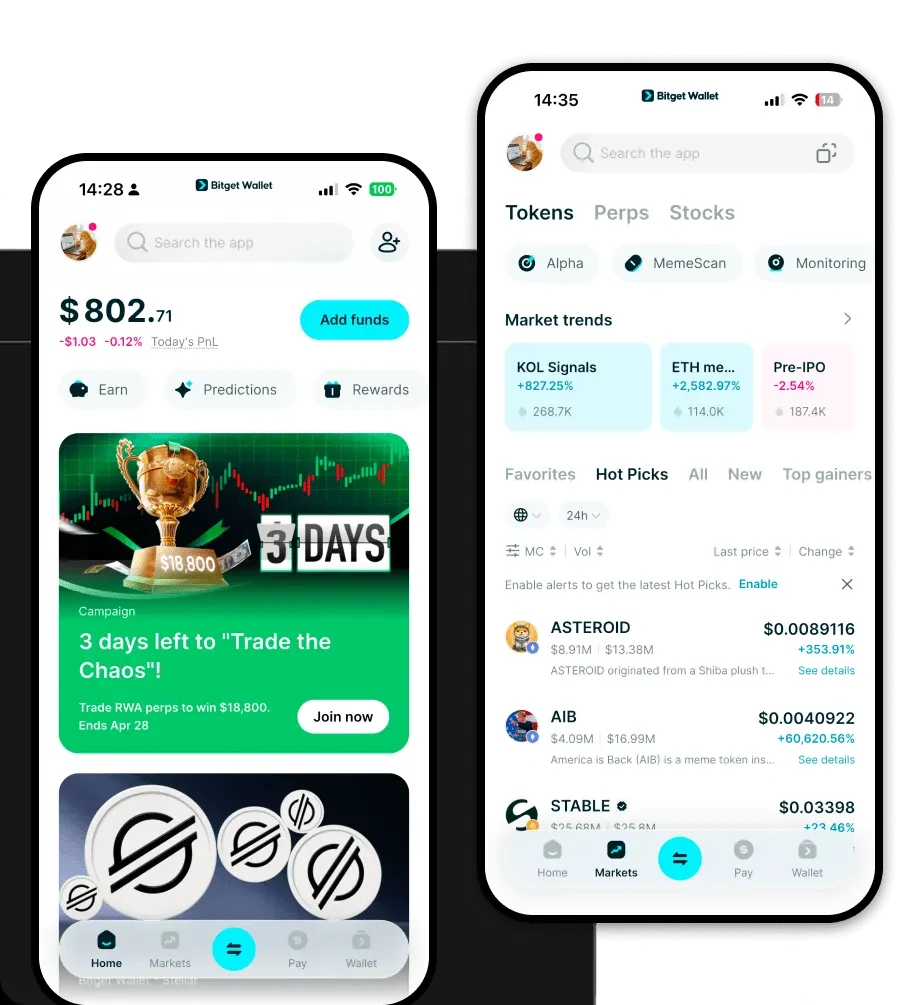
A WCO wallet is a specialized digital interface designed to interact with the WCO token, which operates on the EVM (Ethereum Virtual Machine) blockchain. Because WCO is built on the EVM, it requires a wallet that supports the ERC-20 standard and understands the complex smart contract interactions inherent to the Ethereum ecosystem. Are you looking for a reliable and secure crypto wallet for your WCO? Bitget Wallet will be your best choice. Trusted by 40 million users, you can freely explore Web3 on Bitget Wallet. Start your journey now!
Download Bitget WCO Wallet
Getting started with your assets requires a tool that balances security with accessibility. The Bitget WCO wallet app is designed for both newcomers and advanced traders, providing a unified interface for all your digital assets. Whether you are using an iOS device, an Android smartphone, or a browser extension, the platform ensures that your private keys remain in your custody, adhering to the principle of self-sovereignty. To get started, you can download Bitget Wallet and instantly gain access to a platform that supports over 130 blockchains, ensuring that your WCO management is seamless across multiple chains.
Why Choose Bitget WCO Wallet?
Choosing the right tool for your DeFi journey is critical. Bitget Wallet stands out for its deep integration with the EVM ecosystem and its commitment to user-centric features:
- Native EVM Compatibility: Designed specifically for the EVM environment, ensuring that WCO transactions and smart contract interactions are processed without latency or compatibility issues.
- Robust Cross-Chain Interoperability: Effortlessly bridge your assets between different chains, allowing you to move liquidity where it is needed most without relying on centralized exchanges.
- High Transaction Throughput: Built to handle high-frequency DeFi activities, ensuring that your trades execute rapidly even during periods of network congestion.
- Decentralized Liquidity Provision: Access deep liquidity pools directly within the interface, minimizing slippage when swapping your WCO tokens.
- Smart Contract Automation: Utilize advanced tools that automate complex DeFi strategies, saving you time and reducing the risk of manual errors.
How to Create a WCO Wallet
Setting up your WCO wallet address is a straightforward process that takes only a few minutes. Follow these steps to secure your assets:
- Download and Install: Visit the official website to download the Bitget Wallet app for your specific device (iOS, Android, or browser extension).
- Create a New Wallet: Open the app and select 'Create a New Wallet.' Ensure you are in a private environment.
- Backup Your Seed Phrase: You will be given a 12-to-24-word recovery phrase. Write this down on paper and store it in a secure, offline location. Never share this with anyone.
- Verify Setup: Follow the on-screen prompts to confirm your recovery phrase, which proves you have backed it up correctly.
- Add WCO Token: Once your wallet is set up, go to the asset management section, click 'Add Token,' and search for WCO to enable it on your dashboard.
What Can You Do With a WCO Wallet?
Owning a WCO wallet opens up a world of DeFi opportunities. Here is how you can actively utilize your tokens:
- Staking for Rewards: Lock your WCO tokens into authorized staking contracts to earn passive yield, helping you grow your holdings over time.
- Providing Liquidity in DEXs: Contribute your WCO to decentralized exchange pools, allowing you to earn trading fees generated by the platform.
- Governance Voting: Participate in the decision-making process of the WCO ecosystem by using your tokens to vote on key protocol proposals.
- Token Swaps: Utilize the built-in DEX aggregator to swap WCO for other assets instantly, ensuring you get the best market rates.
- Yield Farming: Deploy your WCO in advanced yield farming strategies, maximizing your returns by leveraging automated DeFi protocols.
How WCO Wallets Are Different from Other Crypto Wallets
Not all wallets are created equal, especially when dealing with EVM-based tokens like WCO. Unlike basic storage solutions, a specialized WCO wallet built on the EVM architecture manages the complex gas fee calculations and smart contract interactions required for DeFi. While UTXO-based wallets (like those for Bitcoin) focus on simple transaction outputs, an EVM wallet like Bitget is optimized for the 'account model,' which is essential for executing decentralized applications (dApps). Furthermore, because the EVM ecosystem is highly active, our wallet prioritizes high transaction throughput and low latency, ensuring that you don't miss out on time-sensitive DeFi opportunities that slower, generic wallets might struggle to process.
