




What is a tariffs Wallet?
A tariffs wallet is a digital gateway designed to help you securely store, manage, and interact with your tariffs tokens. As a Meme-category asset, tariffs typically thrives on community engagement and rapid market movements, making it essential to use a wallet that provides real-time access to the EVM (Ethereum Virtual Machine) ecosystem. Bitget Wallet is a reliable and secure crypto wallet trusted by 40 million users, offering a gateway to explore Web3, manage digital assets, and facilitate seamless crypto transactions. By utilizing an EVM-compatible wallet, you ensure that your tariffs tokens are fully accessible across decentralized finance protocols and popular trading platforms.
Download Bitget tariffs Wallet
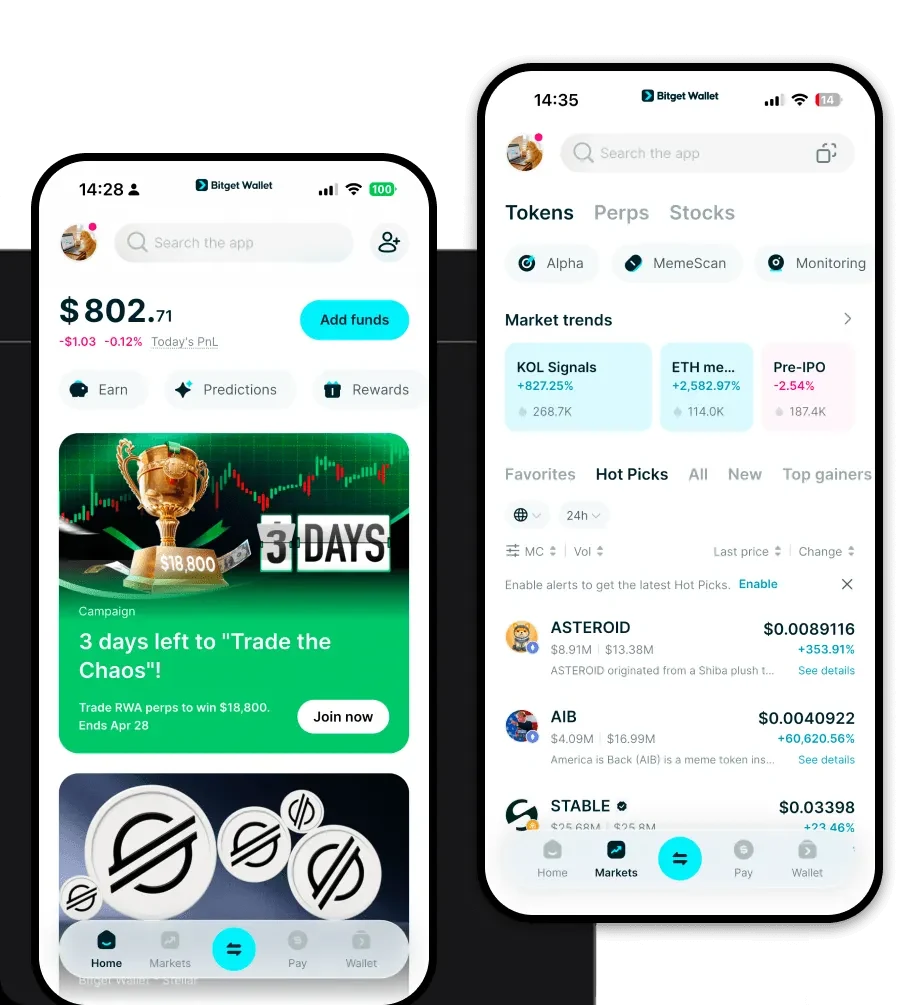
To start your journey with tariffs, you need a robust, user-friendly interface that puts you in control of your private keys. Bitget Wallet offers a comprehensive solution for both beginners and seasoned traders, ensuring that you never lose access to your assets due to centralized failures. With full support for iOS, Android, and browser extensions, you can manage your portfolio on the go or from your desktop. Experience the freedom of self-custody by choosing to download Bitget Wallet today, which provides seamless multi-chain support for all your digital assets.
Why Choose Bitget tariffs Wallet?
When dealing with Meme coins, speed and compatibility are everything. Here is why Bitget Wallet stands out for tariffs holders:
- EVM Ecosystem Integration: Enjoy native compatibility with Ethereum and its Layer 2 networks, ensuring your tariffs tokens interact flawlessly with DeFi protocols.
- Advanced Decentralized Trading: Access built-in DEX aggregators to find the best liquidity and lowest slippage for your tariffs trades.
- Enhanced Security Infrastructure: Benefit from a $300 million user protection fund, adding an extra layer of safety to your decentralized trading experience.
- Intuitive Multi-Chain Management: Easily switch between chains without manual configuration, keeping your tariffs and other assets organized in one unified view.
How to Create a tariffs Wallet
Setting up your wallet is a straightforward process designed to prioritize your security:
1. Download and install the Bitget Wallet app from the official website or your app store.2. Open the app and select 'Create a New Wallet' to generate a unique set of recovery phrases.3. Back up your seed phrase immediately—write it down on paper and store it in a secure, offline location.4. Set a strong password or biometric authentication to protect your app access.5. Once the wallet is initialized, you are ready to receive your tariffs tokens by sharing your public wallet address.
What Can You Do With a tariffs Wallet?
Owning tariffs tokens is just the beginning. With Bitget Wallet, you can actively participate in the ecosystem:
- Trading on DEXs: Use the integrated swap features to trade tariffs instantly against other tokens without leaving the wallet interface.
- Liquidity Provision: Contribute your tariffs to liquidity pools on decentralized exchanges to earn potential yield while supporting the token's market health.
- Community Speculation: Stay ahead of market trends by monitoring price movements and reacting quickly to community-driven sentiment shifts.
- Portfolio Diversification: Easily balance your holdings by adding other Meme coins or stablecoins alongside your tariffs, all within a single, secure dashboard.
How tariffs Wallets Are Different from Other Crypto Wallets
The primary difference lies in the EVM architecture. Unlike wallets built for UTXO-based chains (like Bitcoin), which focus on transaction inputs and outputs, a tariffs wallet on the EVM model uses an account-based system. This allows for complex smart contract interactions, which are vital for Meme coins that rely on automated liquidity pools and community-driven dApps. Furthermore, Bitget Wallet optimizes for gas efficiency, helping you manage the transaction fees inherent in the Ethereum network, ensuring that your trading strategy remains cost-effective compared to less integrated alternatives.
