




What is a GDE Wallet?
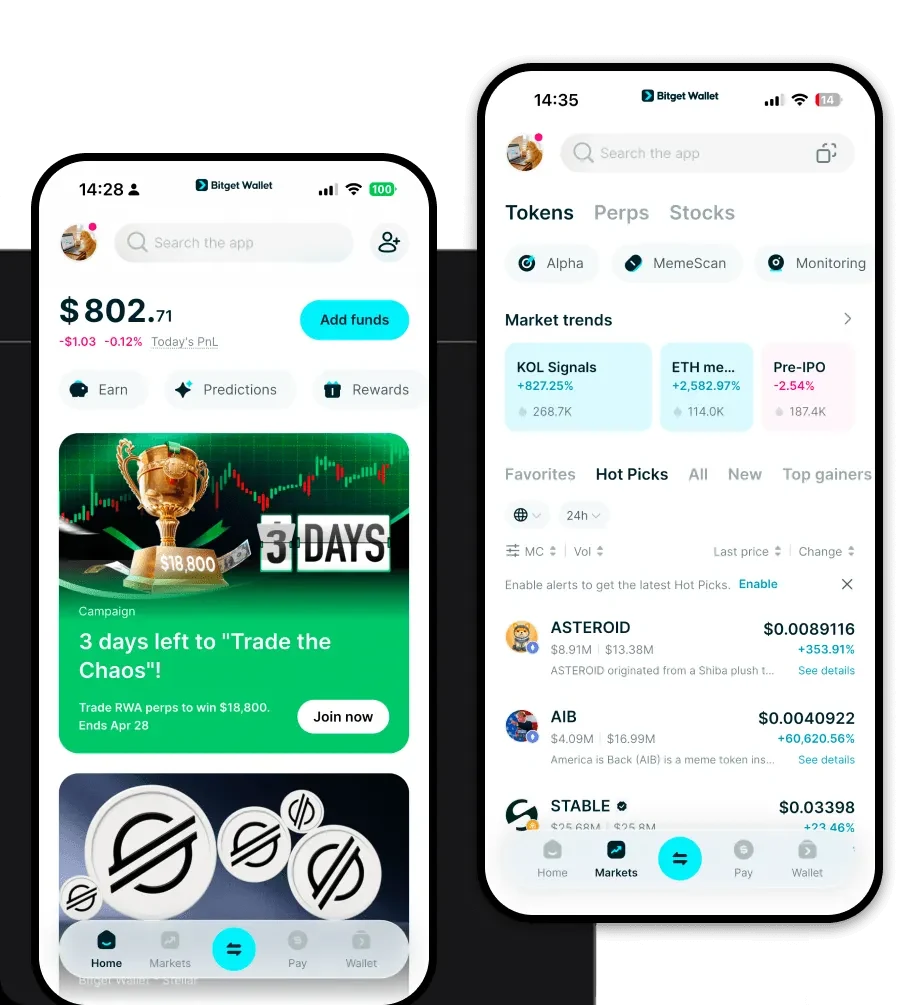
A GDE wallet is a digital interface that allows you to store, manage, and interact with your GDE tokens on the EVM (Ethereum Virtual Machine) blockchain. Because GDE operates within the EVM ecosystem, your wallet acts as a gateway to decentralized finance, enabling you to sign transactions and manage your assets directly on the chain. GDE is a cryptocurrency project that can be securely managed and stored using Bitget Wallet. Bitget Wallet provides a reliable platform for users to access Web3, manage their GDE assets, and explore the broader decentralized ecosystem.
Download Bitget GDE Wallet
To get started with your GDE journey, you need a robust, non-custodial solution that puts you in full control of your private keys. The Bitget Wallet app is designed to provide a seamless experience across all your devices. Whether you prefer managing your portfolio on the go via iOS or Android, or you need the convenience of a browser extension for desktop interaction, the platform has you covered. It offers full multi-chain support, ensuring that your GDE assets are always accessible alongside your other holdings. To begin, you can download Bitget Wallet and follow the simple setup instructions to secure your digital future.
Why Choose Bitget GDE Wallet?
Selecting the right wallet is crucial for any DeFi enthusiast. Bitget Wallet stands out as the best wallet for GDE for several technical and practical reasons:
- Native EVM Compatibility: Designed specifically for EVM chains, Bitget Wallet ensures instant recognition and seamless interaction with GDE-related smart contracts without configuration hurdles.
- Deep DeFi Ecosystem Access: The built-in DApp browser allows you to connect directly to liquidity pools and yield farms, maximizing the utility of your GDE tokens.
- High Liquidity Support: By aggregating hundreds of DEXs and cross-chain bridges, the wallet ensures you always get the best swap rates when trading GDE.
- Comprehensive Security Infrastructure: With a $300 million user protection fund and advanced encryption, your assets remain shielded from common online vulnerabilities.
- Cross-Platform Accessibility: Your GDE wallet address remains synchronized across mobile and desktop, providing a consistent management experience regardless of your location.
How to Create a GDE Wallet
Setting up your GDE wallet is a straightforward process designed for both beginners and experienced traders:
- Install the App: Download Bitget Wallet from the official website or your device's app store.
- Create a New Wallet: Select 'Create a Wallet' and ensure you back up your mnemonic phrase in a secure, offline location.
- Add GDE Token: Use the token search feature to add GDE to your main asset dashboard so it appears in your balance.
- Verify EVM Connection: Ensure your network is set to the correct EVM chain (such as Ethereum or BNB Chain) to view your assets accurately.
- Receive Funds: Click the 'Receive' button to generate your unique GDE wallet address, which you can share with others to receive tokens.
What Can You Do With a GDE Wallet?
Holding GDE in a non-custodial wallet unlocks a variety of DeFi activities that go beyond simple storage:
- Trading: You can use the built-in swap feature to trade GDE for other tokens directly on the blockchain without relying on centralized exchanges.
- Staking: By connecting your wallet to supported protocols, you can lock up your GDE tokens to earn rewards or interest, contributing to network security.
- Holding for Appreciation: You can safely store your GDE tokens in your cold-storage-ready wallet, holding them long-term while you wait for potential market appreciation.
- Portfolio Management: You can track the real-time value and performance of your GDE holdings directly within the app's dashboard, giving you a clear view of your financial standing.
How GDE Wallets Are Different from Other Crypto Wallets
When dealing with a GDE wallet on the EVM network, the experience differs significantly from other chain architectures. Unlike UTXO-based chains (like Bitcoin), which rely on unspent transaction outputs, GDE wallets use the account-based model, which simplifies transaction history and smart contract interactions. Furthermore, because GDE operates on EVM, you must manage your gas fees—the transaction costs paid to miners or validators—carefully to ensure timely execution. Unlike chains with complex resource models (like EOS), the EVM model is standardized, making it highly compatible with almost every DeFi protocol, giving you a wider range of dApps to explore than you would find on more restrictive or isolated blockchain networks.
