





What is a bakso Wallet?
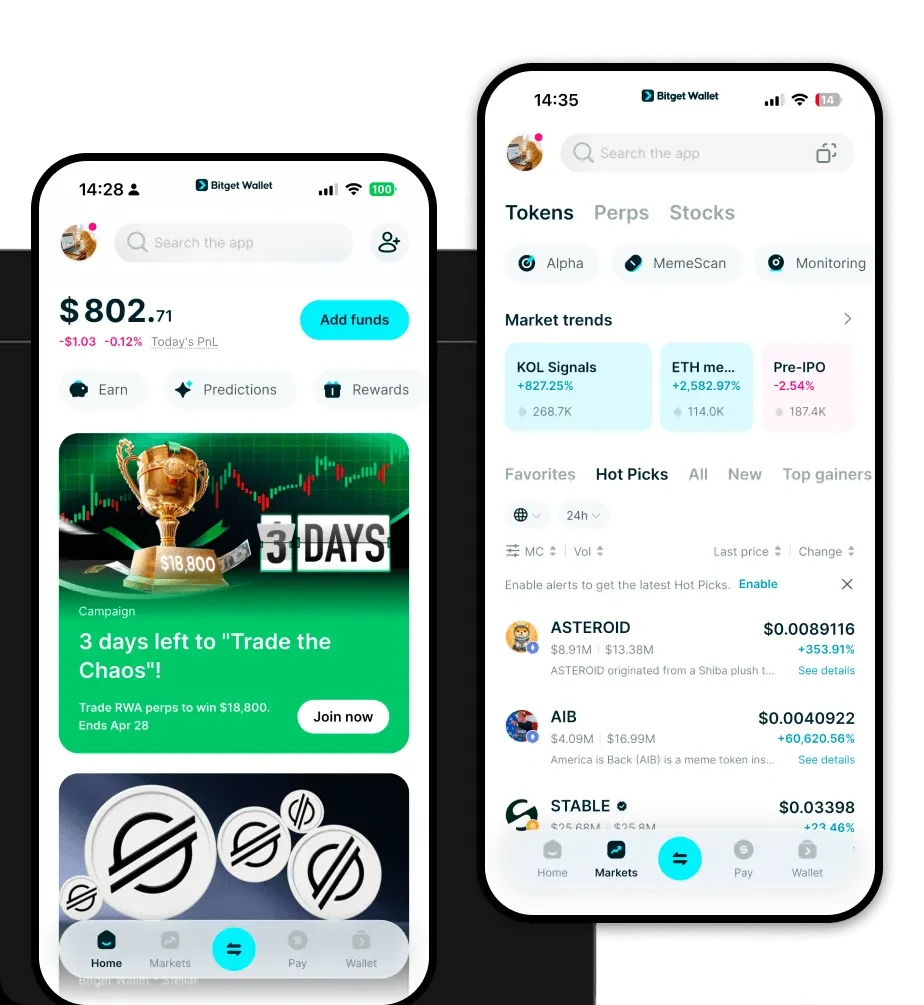
A bakso wallet is a specialized digital interface designed to interact with the bakso token, which operates on the EVM (Ethereum Virtual Machine) blockchain. Because bakso is built on EVM-compatible infrastructure, it requires a wallet that can seamlessly handle smart contract interactions and token transfers within this ecosystem. Bitget Wallet provides a reliable and secure platform to store and manage your bakso tokens, allowing users to freely explore the Web3 ecosystem with the trust of over 40 million users.
Download Bitget bakso Wallet
Getting started with your bakso journey requires a robust tool that puts you in full control of your assets. Bitget Wallet offers a comprehensive, non-custodial solution that ensures you remain the sole owner of your private keys. Whether you are a mobile-first user or prefer desktop interaction, the platform has you covered. Users can download Bitget Wallet across iOS, Android, and as a browser extension. Its architecture is built for versatility, providing full support for over 130 public chains, ensuring that your bakso tokens are always accessible alongside your other multi-chain assets.
Why Choose Bitget bakso Wallet?
- EVM Compatibility: Designed specifically for the EVM environment, Bitget Wallet ensures instant compatibility with all bakso-related dApps and smart contracts without configuration hurdles.
- Advanced Meme-Coin Trading: With built-in DEX aggregation, users can swap bakso with minimal slippage, essential for navigating the high volatility typical of meme assets.
- Robust Security Architecture: Beyond simple encryption, Bitget Wallet is backed by a $300 million user protection fund, providing an extra layer of defense against potential threats.
- Viral Sentiment Tracking: The wallet interface includes market insights that help you stay ahead of viral social trends, crucial for making informed decisions with speculative assets.
How to Create a bakso Wallet
Setting up your wallet is a straightforward process designed to secure your assets while maintaining ease of use:
- Download & Install: Obtain the official app from the Bitget Wallet website or your device's app store.
- Create New Wallet: Open the app and select 'Create Wallet'. Ensure you are in a private environment.
- Backup Your Seed Phrase: You will be given a 12-word recovery phrase. Write this down on paper and store it offline—never share this with anyone.
- Verify Phrase: Confirm the recovery phrase to ensure you have backed it up correctly.
- Access Your Address: Once the wallet is initialized, your EVM-compatible address is ready. You can now import or receive your bakso tokens.
What Can You Do With a bakso Wallet?
Once your wallet is set up, you can fully engage with the bakso ecosystem:
- Trading: Use the built-in swap feature to exchange bakso for other tokens instantly, leveraging deep liquidity pools.
- Holding for Speculation: Securely store your bakso assets in your non-custodial wallet, maintaining complete control as you wait for potential market movements.
- Liquidity Provision: Connect your wallet to supported decentralized exchanges to provide liquidity for bakso pairs, earning potential rewards.
- Community Participation: Use your wallet to interact with community-driven platforms and governance portals where bakso holders can vote or participate in ecosystem events.
How bakso Wallets Are Different from Other Crypto Wallets
Not all wallets are created equal, especially when dealing with EVM-based meme tokens. Unlike wallets designed for Bitcoin's UTXO (Unspent Transaction Output) model, which prioritize simple store-of-value transactions, a bakso wallet is optimized for the account-based model of the EVM. This allows for complex smart contract interactions, such as automated liquidity provision and instant token swaps. Furthermore, while some wallets struggle with the high-traffic nature of meme coins, Bitget Wallet optimizes gas fee estimations to ensure your transactions are processed efficiently even during periods of high network congestion.
