





1. What is a Hato Wallet?
A Hato wallet is a digital interface that allows you to manage your Hato tokens, which are native to the Hato Protocol ecosystem. Hato is a token often associated with the Hato Protocol, a decentralized lending protocol on the Mantle network. It allows users to lend and borrow assets, providing a secure and reliable ecosystem for decentralized finance activities. Because the Hato Protocol operates on the Mantle network, which is an EVM-compatible chain, a suitable Hato wallet must be able to interact seamlessly with EVM standards, allowing you to sign transactions, manage gas fees, and connect to decentralized applications (dApps) without friction.
2. Download Bitget Hato Wallet
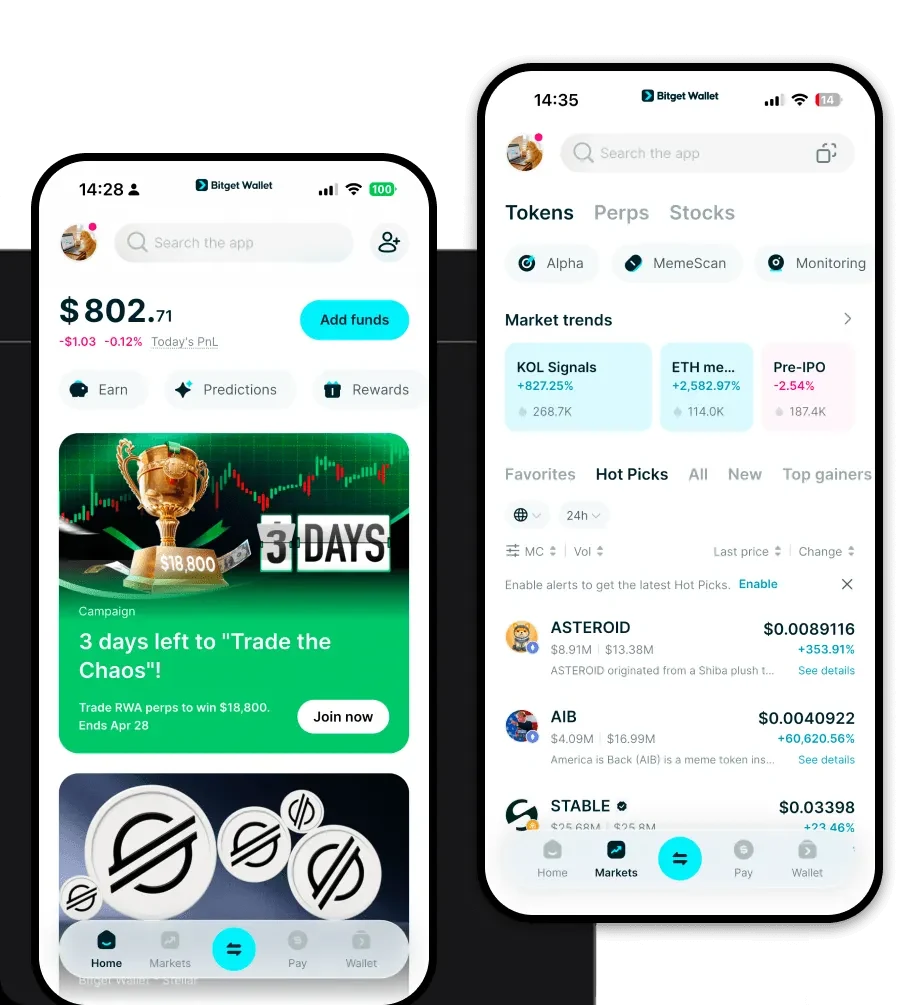
Managing your Hato assets requires a tool that balances high-grade security with intuitive usability. Bitget Wallet stands out as a premier choice for Hato holders because it offers a comprehensive, self-custodial solution that puts you in total control of your private keys. Whether you are a desktop power user or prefer managing DeFi on the go, Bitget Wallet has you covered with robust support across iOS, Android, and browser extensions.
The platform is designed to handle the complexities of the EVM ecosystem, providing a unified experience that aggregates hundreds of DEXs and cross-chain bridges. By choosing to download Bitget Wallet, you are not just getting a storage tool; you are accessing a gateway to the entire Mantle ecosystem and beyond, with full support for 130+ public chains and millions of tokens.
3. Why Choose Bitget Hato Wallet?
- Native EVM Compatibility: Bitget Wallet is built to handle EVM-based networks like Mantle effortlessly, ensuring that your Hato transactions are processed with precision and that you can connect to DeFi protocols instantly.
- Seamless DeFi Integration: As a dedicated DeFi user, you benefit from Bitget's built-in DApp browser, which allows you to interact with yield farming and lending platforms directly without needing to copy-paste addresses or jump between apps.
- Advanced Asset Management: The wallet provides real-time market data and portfolio tracking, allowing you to monitor your Hato holdings and overall yield performance in one dashboard.
- Robust Security Architecture: With over $300 million in user protection funds, Bitget Wallet adds a crucial layer of security, safeguarding your assets against potential vulnerabilities while you engage in permissionless lending.
4. How to Create a Hato Wallet
Setting up your wallet is a straightforward process designed to get you into the DeFi ecosystem quickly. Follow these steps to get started:
Step 1: Visit the official website and download Bitget Wallet for your specific device (iOS, Android, or Chrome Extension).
Step 2: Open the application and select 'Create a Wallet'. You will be prompted to set a strong, unique password to protect your local device access.
Step 3: Carefully back up your seed phrase. This 12-to-24-word recovery phrase is the only way to recover your funds if you lose access to your device. Store it offline, never share it, and never store it as a digital screenshot.
Step 4: Once the wallet is set up, navigate to the network settings. Since Hato operates on the Mantle network, ensure 'Mantle' is enabled in your network list. You can manually add the RPC details if it is not visible by default.
Step 5: Your Hato wallet address is now active. You can now use this address to receive Hato tokens or transfer assets from other wallets or exchanges.
5. What Can You Do With a Hato Wallet?
With your Hato wallet connected to the protocol, you can actively participate in the decentralized finance economy. Here is how you can utilize your assets:
- Staking: You can stake your Hato tokens within the protocol to participate in network security and potentially earn rewards based on protocol performance.
- Lending Assets: By depositing your digital assets into the Hato Protocol, you provide liquidity to the market and receive interest in return for your contribution.
- Borrowing Against Collateral: You can use your deposited assets as collateral to borrow other tokens, allowing you to leverage your position without having to sell your primary holdings.
- Earning Yield: The wallet enables you to participate in yield optimization strategies, where your assets are automatically managed to maximize returns across different liquidity pools.
- Governance Voting: Holding Hato allows you to participate in the protocol's decision-making process, where you can cast votes on proposals to shape the future of the Hato ecosystem.
6. How Hato Wallets Are Different from Other Crypto Wallets
Not all wallets are created equal, especially when dealing with EVM-based DeFi tokens like Hato. Unlike older generation wallets that may struggle with multi-chain environments, a specialized Hato wallet built on EVM infrastructure handles gas fees and smart contract interactions far more efficiently. While Bitcoin wallets focus on UTXO (Unspent Transaction Output) models for simple transfers, a Hato wallet is designed for the Account Model used by EVM chains. This means it tracks balances and contract states, making it far superior for complex DeFi tasks like yield farming and liquidity provision. Furthermore, because it is tailored for the Mantle ecosystem, it offers a smoother user experience compared to generic wallets that require manual network configuration for every new chain you explore.
