





What is a JDC Wallet?
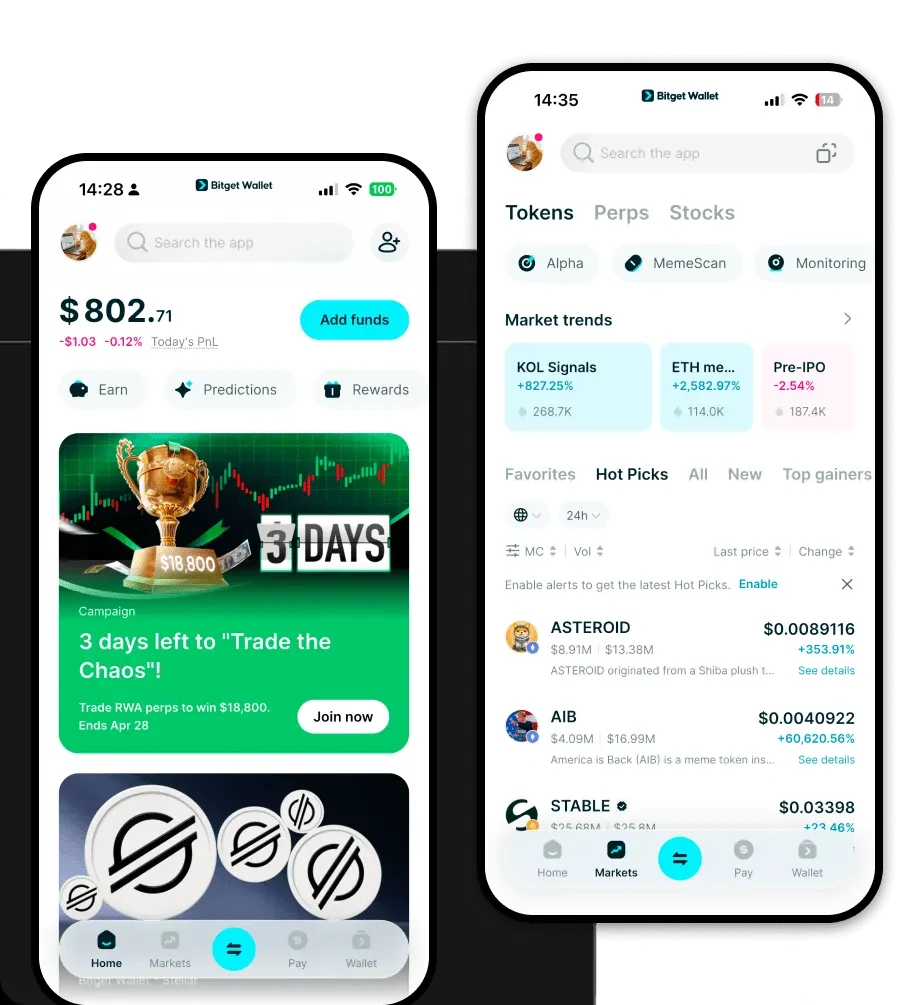
A JDC wallet is a secure digital interface designed to interact with the JDC token, which operates on the EVM (Ethereum Virtual Machine) blockchain. Because JDC is built on EVM-compatible infrastructure, it requires a wallet that can seamlessly interpret smart contracts and interact with decentralized applications (DApps) on the network. Are you looking for a reliable and secure crypto wallet for your JDC? Bitget Wallet will be your best choice. Trusted by 40 million users, you can freely explore Web3 on Bitget Wallet. Start your journey now!
Download Bitget JDC Wallet
To begin managing your assets, you need a robust, user-friendly application. Bitget Wallet offers a comprehensive solution that supports over 130 public chains and millions of tokens, ensuring your JDC is always accessible. With full self-custody over your private keys, you maintain complete ownership of your assets. Whether you prefer desktop integration or mobile convenience, you can easily download Bitget Wallet for iOS, Android, or as a browser extension. The installation is streamlined, allowing you to import existing addresses or generate new ones in minutes.
Why Choose Bitget JDC Wallet?
Choosing the right wallet for an EVM-based token like JDC is critical for security and efficiency. Bitget Wallet stands out for several key reasons:
- Native EVM Compatibility: Designed specifically for the EVM ecosystem, the wallet provides a smooth interface for interacting with smart contracts without compatibility errors.
- Advanced Cross-Chain Interoperability: Easily swap your JDC across different chains using integrated bridges, allowing for fluid movement between ecosystems.
- Decentralized Liquidity Aggregation: Access the best market rates by utilizing the wallet’s built-in DEX aggregator, which sources liquidity from hundreds of decentralized exchanges.
- Robust Smart Contract Security: Backed by a $300 million user protection fund, the wallet provides an extra layer of security when interacting with complex DeFi protocols.
How to Create a JDC Wallet
Setting up your wallet is a straightforward process designed to keep your private keys secure:
- Download and Install: Visit the official site to download Bitget Wallet for your preferred device.
- Create a New Wallet: Open the app, select 'Create Wallet,' and ensure you back up your mnemonic phrase in a secure, offline location.
- Configure Network Settings: Since JDC is an EVM token, ensure your wallet is set to the correct network (e.g., Ethereum or the relevant L2).
- Secure Your Access: Enable biometric authentication or a strong password to lock the application.
- Import or Receive: Once set up, you can copy your wallet address to receive JDC directly.
What Can You Do With a JDC Wallet?
Bitget Wallet transforms how you interact with your JDC holdings by providing a gateway to the DeFi ecosystem:
- Staking: Lock your JDC tokens directly through the wallet’s interface to participate in network validation or protocol governance and earn rewards.
- Trading: Utilize the integrated trading features to swap JDC for other assets instantly, taking advantage of the wallet’s optimized gas fee estimations.
- Providing Liquidity: Deposit your JDC into decentralized pools to facilitate trades for other users, earning a portion of the transaction fees in return.
- Yield Farming: Connect your JDC to various yield farming protocols supported by the wallet to maximize your returns through automated liquidity mining strategies.
How JDC Wallets Are Different from Other Crypto Wallets
The primary difference lies in how a wallet handles the EVM architecture compared to non-EVM chains. While UTXO-based wallets (like those for Bitcoin) focus on unspent transaction outputs, a JDC wallet on the EVM utilizes an account-based model. This means your wallet tracks a balance associated with a specific address, which is essential for executing smart contracts. Furthermore, while some wallets struggle with complex gas fee calculations, Bitget Wallet provides real-time gas optimization, ensuring that your JDC transactions are both fast and cost-effective, regardless of network congestion.
