


Todd Blanche First Memo Crypto Regulation: Why Are Enforcement Actions Paused?

Todd Blanche wrote a memo about crypto regulation, known as the Todd Blanche first memo crypto regulation, which is significant because it changes how the United States handles crypto enforcement. The Department of Justice announced they are pausing certain crypto enforcement actions, raising questions about the future of regulation and market stability.
This pause impacts both companies and individual investors, affecting how they manage risk and seek opportunities. As the regulatory landscape evolves following the Todd Blanche first memo crypto regulation, tools like Bitget Wallet become increasingly important, helping users navigate crypto markets independently and securely.
This article explains the meaning of Todd Blanche’s crypto regulation memo, why the Department of Justice paused enforcement actions, and how investors can respond effectively. Understanding these developments is crucial for anyone looking to participate confidently in the evolving crypto market.
Key Takeaways
- DOJ has paused crypto enforcement actions, signaling a policy shift
- Focus is moving from regulatory enforcement to targeting fraud and crime
- The memo reflects a broader U.S. crypto regulatory reset
- Bitcoin and crypto markets reacted positively to reduced enforcement pressure
- Investors need to balance opportunity with ongoing regulatory risks
What Is Todd Blanche’s First Memo on Crypto Regulation?
Todd Blanche first memo crypto regulation introduces a new direction for U.S. crypto enforcement, emphasizing a strategic pause in ongoing legal actions and a broader reassessment of how digital assets should be regulated.
At its core, the memo represents a shift away from aggressive enforcement-driven oversight toward a more structured and policy-based regulatory approach. Instead of relying heavily on lawsuits and prosecutions to define the rules of the crypto industry, the Department of Justice (DOJ) is signaling the need to reevaluate its role and prioritize clarity.
Source X
Who Is Todd Blanche and What Role Does He Play in U.S. Crypto Policy?
Todd Blanche first memo crypto regulation is closely tied to the leadership role he holds within the U.S. Department of Justice (DOJ), where he serves as Acting U.S. Attorney General and shapes the direction of federal enforcement policy. His position gives him direct influence over how crypto-related cases are handled, prioritized, and interpreted across the legal system.
In the context of evolving digital asset regulation, Todd Blanche is not just an administrator but a key architect of the DOJ’s current shift away from enforcement-heavy strategies toward a more structured and policy-driven approach. This makes his memo a critical signal for both regulators and market participants.
Key aspects of his role include:
- Acting U.S. Attorney General overseeing DOJ policy direction
- Key decision-maker in federal enforcement strategy
- Influences how crypto-related cases are prioritized
- Plays a central role in redefining DOJ’s approach to digital assets
What Does the DOJ Crypto Memo Actually Say?
The DOJ crypto memo authored by Todd Blanche outlines a major shift in enforcement strategy, moving away from broad regulatory prosecution toward a narrower focus on criminal activity. The memo reflects a clear message: the Department of Justice is not a crypto regulator, and enforcement should not be used to define industry rules.
Key directives from the memo include:
- Pausing or closing ongoing enforcement actions that rely on regulatory interpretations rather than clear criminal conduct
- Ending “regulation by prosecution”, meaning prosecutors should no longer pursue cases that effectively impose regulatory frameworks on crypto companies
- Shifting enforcement priorities toward fraud and crime, including scams, terrorism financing, hacking, and organized crime involving digital assets
- Disbanding the National Cryptocurrency Enforcement Team (NCET) and scaling back dedicated crypto enforcement units
- Reducing focus on platforms and intermediaries, especially when violations stem from user activity rather than intentional wrongdoing
In addition, the memo explicitly instructs prosecutors to defer regulatory questions to agencies like the SEC, reinforcing that crypto policy should be shaped through legislation and regulation—not criminal prosecution.
Why Are Crypto Enforcement Actions Being Paused?
The DOJ’s decision reflects growing concerns about the effectiveness and fairness of previous enforcement strategies, particularly in how crypto regulation has been applied through legal action rather than clear policy. Todd Blanche first memo crypto regulation highlights a shift away from enforcement-driven oversight toward a more structured and transparent approach.
Instead of continuing broad legal actions against crypto firms, the DOJ is reassessing whether past strategies created more uncertainty than clarity. This pause allows regulators to step back, evaluate the current framework, and redefine priorities in a rapidly evolving digital asset market.
What Problems Did the Previous Crypto Enforcement Approach Create?
Before the policy shift, U.S. authorities often relied on enforcement actions to shape the crypto industry, a method widely described as “regulation through enforcement.” While this approach aimed to protect investors and maintain market integrity, it also created significant uncertainty for both companies and individual participants.
Key problems with the previous approach included:
- Overreliance on “regulation through enforcement”, leading to unclear rules for crypto businesses
- Legal uncertainty for investors and companies operating in the U.S.
- Inconsistent enforcement across different cases and jurisdictions
- Increased compliance costs and barriers to innovation
- Risk of discouraging institutional participation in crypto markets
These issues collectively limited market growth and made it difficult for the U.S. to maintain a competitive position in the global crypto economy.
Why Is the DOJ Shifting Its Crypto Enforcement Policy Now?
The shift reflects a growing recognition within the Department of Justice that previous enforcement-led strategies are no longer sufficient for a rapidly evolving industry like crypto. As highlighted in Todd Blanche first memo crypto regulation, the DOJ is moving toward a more balanced approach that prioritizes clarity, fairness, and long-term market development rather than relying on case-by-case legal actions.
Key reasons behind this shift include:
- Need to establish clear and consistent regulatory guidelines instead of case-by-case enforcement
- Recognition that enforcement alone cannot define a fast-evolving industry like crypto
- Strategic shift toward focusing on fraud, scams, and criminal misuse of digital assets
- Pressure to support innovation and maintain U.S. competitiveness in the global crypto market
- Alignment with broader efforts to separate regulatory roles (SEC) from criminal enforcement (DOJ)
This transition signals a more structured and sustainable approach to crypto oversight in the United States.
Why Are Crypto Enforcement Actions Being Paused?
The DOJ’s decision reflects growing concerns about the effectiveness and fairness of previous enforcement strategies. As highlighted in Todd Blanche first memo crypto regulation, the shift aims to move away from unclear, enforcement-driven oversight toward a more structured and transparent regulatory approach.
What Problems Did the Previous Crypto Enforcement Approach Create?
The previous approach relied heavily on enforcement actions to shape the crypto industry, rather than establishing clear regulatory guidelines. This created confusion and uncertainty for both companies and investors, limiting the sector’s ability to grow sustainably.
Key issues included:
- Overreliance on enforcement instead of clear regulation
- Legal uncertainty for crypto companies and investors
- Inconsistent application across cases
- Potential stifling of innovation
Why Is the DOJ Shifting Its Crypto Enforcement Policy Now?
The DOJ is now adjusting its strategy to better align with the needs of a rapidly evolving crypto market. Instead of reacting through enforcement, the focus is shifting toward building a clearer and more balanced framework.
Key reasons for this shift include:
- Need for clearer regulatory boundaries
- Pressure to support innovation and market growth
- Focus on prosecuting actual financial crimes
- Alignment with broader U.S. economic strategy
How Does the Todd Blanche Crypto Memo Signal a Shift in U.S. Crypto Regulation?
The Todd Blanche crypto memo marks a clear transition in how the United States approaches crypto oversight. Rather than relying on enforcement actions to define the rules, the DOJ is stepping back and allowing a more structured regulatory framework to take shape. This shift reflects a broader effort to bring clarity and consistency to the crypto industry.
What Does This Change Mean for U.S. Crypto Regulatory Strategy?
This change signals a redefinition of roles within the U.S. regulatory system. The DOJ is moving away from acting as a de facto regulator and focusing more on its core responsibility—criminal enforcement—while leaving regulatory guidance to specialized agencies.
Key implications include:
- DOJ stepping back from regulatory role
- Increased importance of agencies like SEC
- Movement toward structured policy frameworks
- Greater clarity for institutional participation
Is Todd Blanche Crypto Memo the Beginning of a ‘Crypto Regulatory Thaw’?
The memo is widely interpreted as the start of a “crypto regulatory thaw,” where enforcement pressure is reduced and the industry is given more room to grow. This shift could improve confidence among both retail and institutional investors.

Source X
Key signals of this trend include:
- Reduction in enforcement pressure
- Improved sentiment across crypto markets
- Signals long-term regulatory recalibration
- Opens door for innovation and capital inflow
What Is the Impact of the Memo on Bitcoin and the Crypto Market?
The DOJ announcement tied to Todd Blanche first memo crypto regulation had an immediate and measurable impact on the crypto market, particularly Bitcoin. Investors interpreted the pause in enforcement actions as a bullish signal, reducing regulatory fear and increasing confidence in the near-term outlook. As a result, Bitcoin experienced a sharp upward move, reflecting renewed optimism and capital inflow.

Why Did Bitcoin React to the DOJ Announcement?
The market response was driven by a combination of sentiment shift and reduced regulatory pressure:
- Market interpreted memo as a bullish signal
- Reduced fear of enforcement actions
- Increased investor confidence
- Bitcoin Price Comparison (Before vs After DOJ Memo)
| Metric | Before DOJ Announcement | After DOJ Announcement |
| Market Sentiment | Uncertain / cautious | Bullish / optimistic |
| Price Range | ~$67,000 – $68,000 | ~$68,800 – $69,800 |
| Volatility | Relatively stable | Increased upward momentum |
| Price Change | — | + ~$1,800 surge |
| Investor Behavior | Defensive positioning | Increased buying activity |
What Does This Mean for Short-Term and Long-Term Market Trends?
The market reaction to Todd Blanche first memo crypto regulation highlights how closely crypto trends are tied to regulatory signals. While the immediate response has been positive, the broader impact unfolds across different time horizons, shaping both investor behavior and market structure.
- Short-term: bullish sentiment and increased liquidity driven by reduced enforcement pressure
- Mid- to long-term: stronger institutional participation and gradual move toward a more stable regulatory environment
- Ongoing: continued volatility as markets react to future policy updates and regulatory developments
What Should Investors Do After Todd Blanche’s Crypto Memo?
The policy shift outlined in Todd Blanche first memo crypto regulation creates both opportunities and risks, requiring a balanced and disciplined investment approach. While reduced enforcement pressure may support market growth, uncertainty around future regulation still remains.
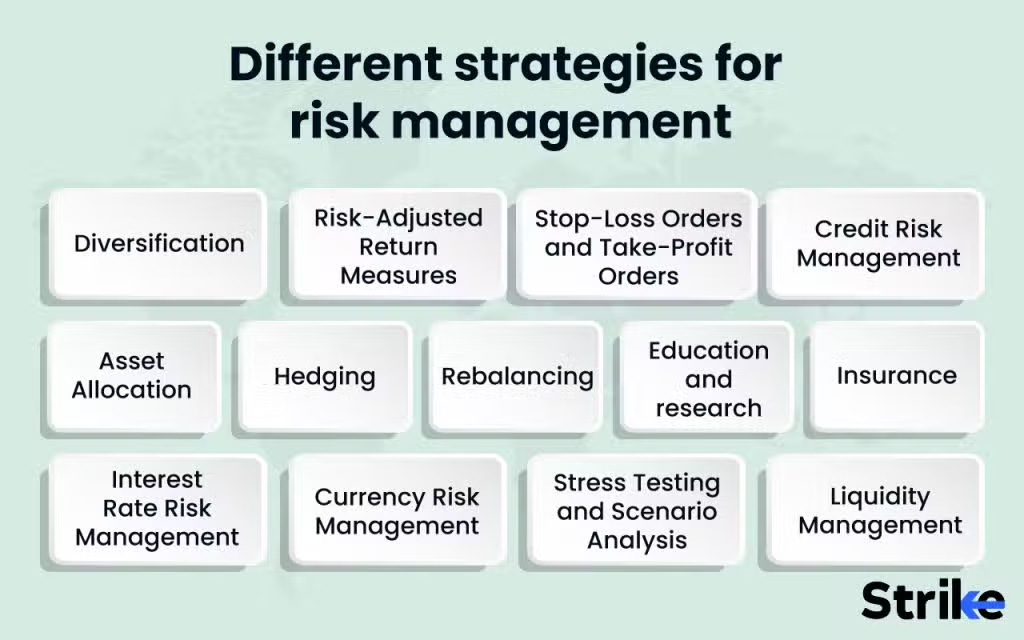
1. Assess portfolio risk under the new enforcement environment
Following Todd Blanche first memo crypto regulation, investors should start by reassessing overall portfolio risk. While reduced enforcement pressure may improve sentiment, it does not eliminate underlying market or regulatory risks. A careful evaluation helps avoid overexposure during periods of uncertainty.
source x
- Re-evaluate exposure to high-risk assets
- Avoid overleveraging
- Monitor regulatory developments
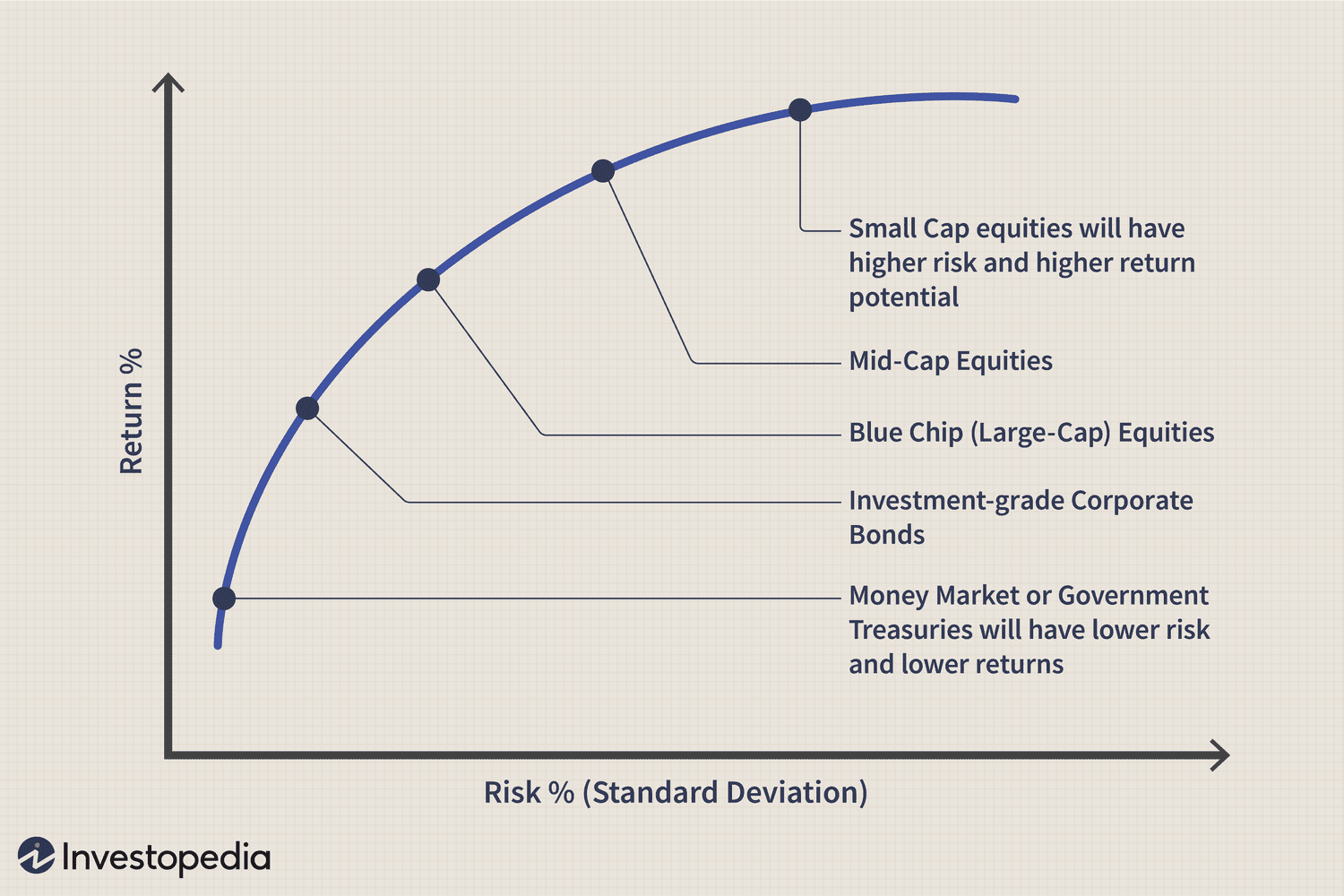
2. Adjust asset allocation based on market signals
Market reactions to policy changes can create short-term opportunities, but adjustments should be gradual and strategic. Investors should rebalance portfolios to align with evolving trends while maintaining stability.
Source X
- Rebalance BTC, ETH, and altcoins
- Gradually increase exposure
- Maintain diversification
3. Identify new opportunities created by the regulatory shift
The shift outlined in Todd Blanche first memo crypto regulation may unlock new growth areas within the crypto ecosystem. Investors can explore emerging sectors that benefit from reduced enforcement pressure and increased innovation.
- Explore DeFi and on-chain markets
- Track emerging sectors benefiting from reduced enforcement
- Monitor institutional activity
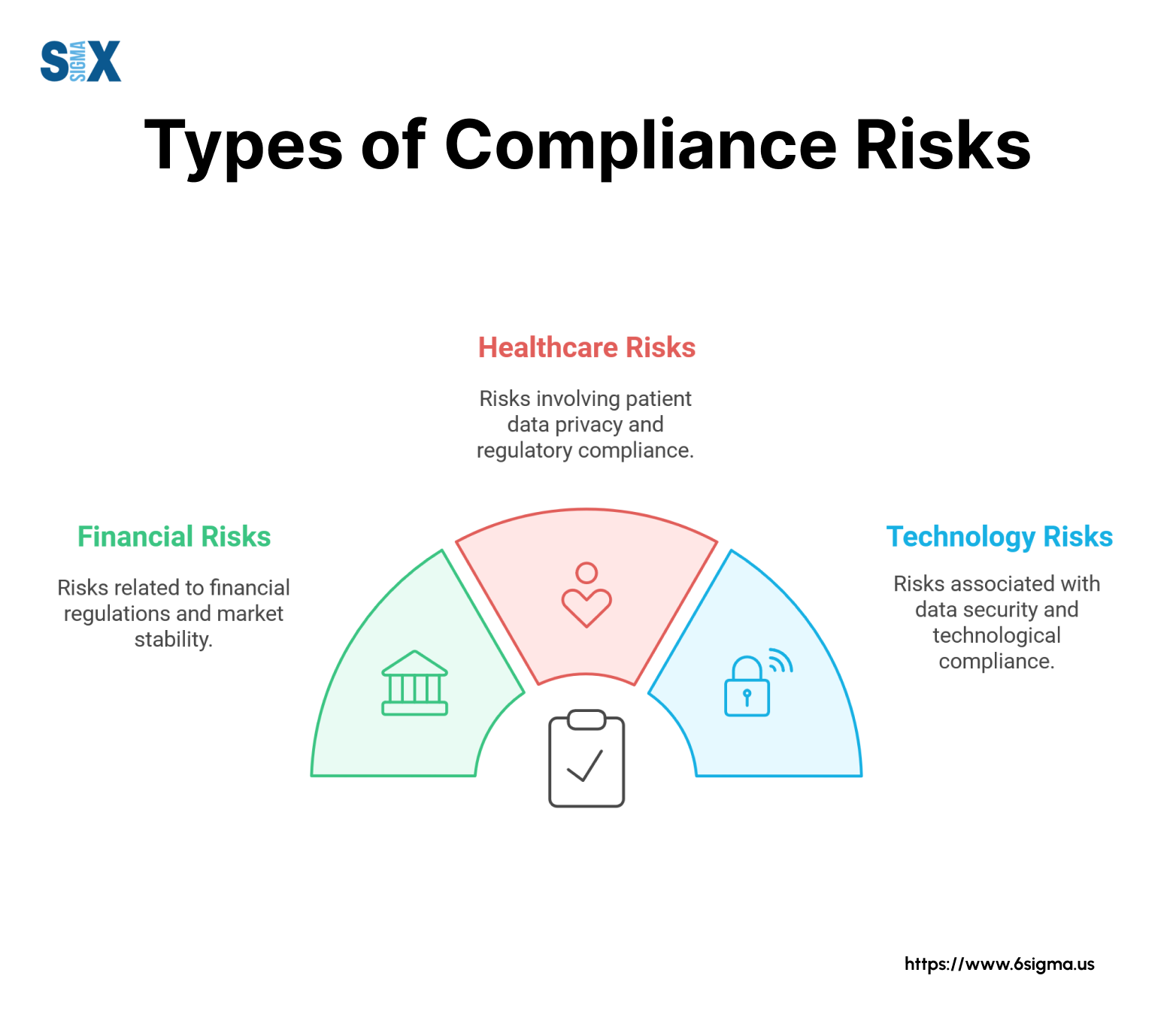
4. Manage ongoing regulatory and market risks
Despite the pause in enforcement, regulatory uncertainty remains. Investors should stay cautious and prepared for potential policy changes that could impact market conditions.
Source X
- Stay aware of SEC involvement
- Prepare for sudden policy changes
- Avoid speculation-driven trades
5. Follow compliance and security best practices
Maintaining compliance and strong security practices is essential in a shifting regulatory environment. This helps protect assets and ensures long-term participation in the crypto market.
- Maintain transaction records
- Use secure wallets
- Stay updated on regulatory changes
How Is Crypto Regulated in the U.S. After This Policy Shift?
The U.S. crypto regulatory framework remains complex despite the shift outlined in Todd Blanche first memo crypto regulation. While the DOJ is stepping back from enforcement-heavy actions, multiple agencies still play overlapping roles, creating a fragmented but evolving system.
Who Regulates Crypto in the U.S. Now? DOJ vs SEC Roles Explained
After the policy shift, responsibilities are becoming more clearly defined, but regulatory overlap still exists. Each agency focuses on a different aspect of the crypto ecosystem, which can create both coverage and confusion for market participants.
- DOJ: focuses on criminal enforcement
- SEC: regulates securities-related crypto assets
- CFTC: oversees derivatives markets
- Overlapping responsibilities create complexity
What Could Future Crypto Regulation Look Like in the United States?
The changes introduced by Todd Blanche first memo crypto regulation suggest a move toward a more structured and predictable regulatory environment. While full clarity has not yet been achieved, the direction points to long-term improvements.
- More structured regulatory frameworks
- Reduced reliance on enforcement actions
- Increased institutional adoption
- Potential for clearer compliance guidelines
How Can Investors Safely Navigate Crypto Markets After Todd Blanche’s Crypto Memo with Bitget Wallet?
As regulatory uncertainty evolves following Todd Blanche first memo crypto regulation, investors need tools that provide control, security, and flexibility. Instead of relying solely on centralized platforms, many users are shifting toward self-custody solutions that allow them to manage assets independently while still accessing on-chain opportunities.
Bitget Wallet is designed to help users navigate changing market conditions by offering a combination of security, accessibility, and cross-chain functionality. These features are especially valuable in an environment where regulatory clarity is still developing.
- Self-custody for full asset control
- Strong security infrastructure
- Cross-chain asset management
- Access to DeFi ecosystems
How Can Investors Use Bitget Wallet to Manage and Trade Crypto Safely?
In practice, Bitget Wallet enables investors to take a more proactive and flexible approach to asset management, especially in a regulatory environment shaped by Todd Blanche first memo crypto regulation. By removing reliance on centralized intermediaries, users gain greater control, transparency, and access to global crypto opportunities.
- Store and manage assets independently
- Full ownership of private keys ensures complete control over funds
- Reduced counterparty risk compared to centralized platforms
- Greater protection during regulatory or platform-related disruptions
- Swap tokens across chains seamlessly
- Access multi-chain ecosystems without needing multiple wallets
- Lower friction when moving assets between networks
- Ability to react quickly to market opportunities
Conclusion
The Todd Blanche first memo crypto regulation marks a pivotal moment for U.S. crypto policy, signaling a shift from aggressive enforcement to a more structured and balanced regulatory approach. While the pause in enforcement actions opens the door for growth and innovation, it also underscores the importance of navigating the crypto market with caution and informed strategy.
For investors, understanding these policy changes is crucial. Adapting portfolios, assessing risk, and exploring emerging opportunities are essential steps in this evolving environment. At the same time, maintaining security and control over assets is more important than ever.
Tools like Bitget Wallet empower investors to manage and trade crypto safely, offering self-custody, cross-chain flexibility, and robust security. By combining regulatory awareness with the right asset management tools, users can confidently participate in the crypto market while minimizing exposure to uncertainty.
In short, the memo not only reshapes enforcement strategy but also highlights the growing need for secure, independent solutions like Bitget Wallet in today’s dynamic crypto landscape.
Sign up Bitget Wallet now - grab your $2 bonus!
FAQs
1. What is the Todd Blanche crypto memo, and why does it matter for investors?
The Todd Blanche crypto memo signals a pause in U.S. crypto enforcement actions, shifting focus from broad regulatory prosecution to targeting fraud and criminal activity. For investors, this means less regulatory uncertainty, potential market growth opportunities, and the need to stay informed about future policy updates.
2. How can I safely manage my crypto after the DOJ memo?
Investors can use secure wallets like Bitget Wallet to maintain full control over assets. With self-custody, cross-chain swaps, and strong security features, you can manage your crypto independently while navigating a changing regulatory environment safely.
3. Will this memo make Bitcoin or other cryptocurrencies safer to invest in?
The memo reduces enforcement pressure, which can boost market confidence, but it doesn’t eliminate regulatory or market risks. Safe investing still requires portfolio diversification, risk assessment, and using secure tools like Bitget Wallet to protect your assets.
Risk Disclosure
Please be aware that cryptocurrency trading involves high market risk. Bitget Wallet is not responsible for any trading losses incurred. Always perform your own research and trade responsibly.

 Top Arc Tokens and Memecoins: What’s Trending on Arc Mainnet2026-09-16 | 5 mins
 Circle Arc Mainnet Launch: What Is Arc and Why Does It Matter?2026-09-14 | 5 mins
 Top Robinhood Chain Memecoins 20262026-09-09 | 5 mins



