





What is an SNXA Wallet?
An SNXA wallet is a specialized digital interface designed to interact with the Synthetix network, an innovative protocol built on the EVM (Ethereum Virtual Machine) blockchain. Because SNXA is the native token of this ecosystem, your wallet serves as your gateway to decentralized finance (DeFi). SNXA is the native token of the Synthetix network. It serves as the backbone for the decentralized synthetic asset protocol, allowing users to stake collateral, participate in governance, and earn rewards within the Synthetix ecosystem. By using a compatible wallet, you gain full control over your private keys, ensuring that your participation in the Synthetix protocol remains secure, transparent, and entirely under your own custody.
Download Bitget SNXA Wallet
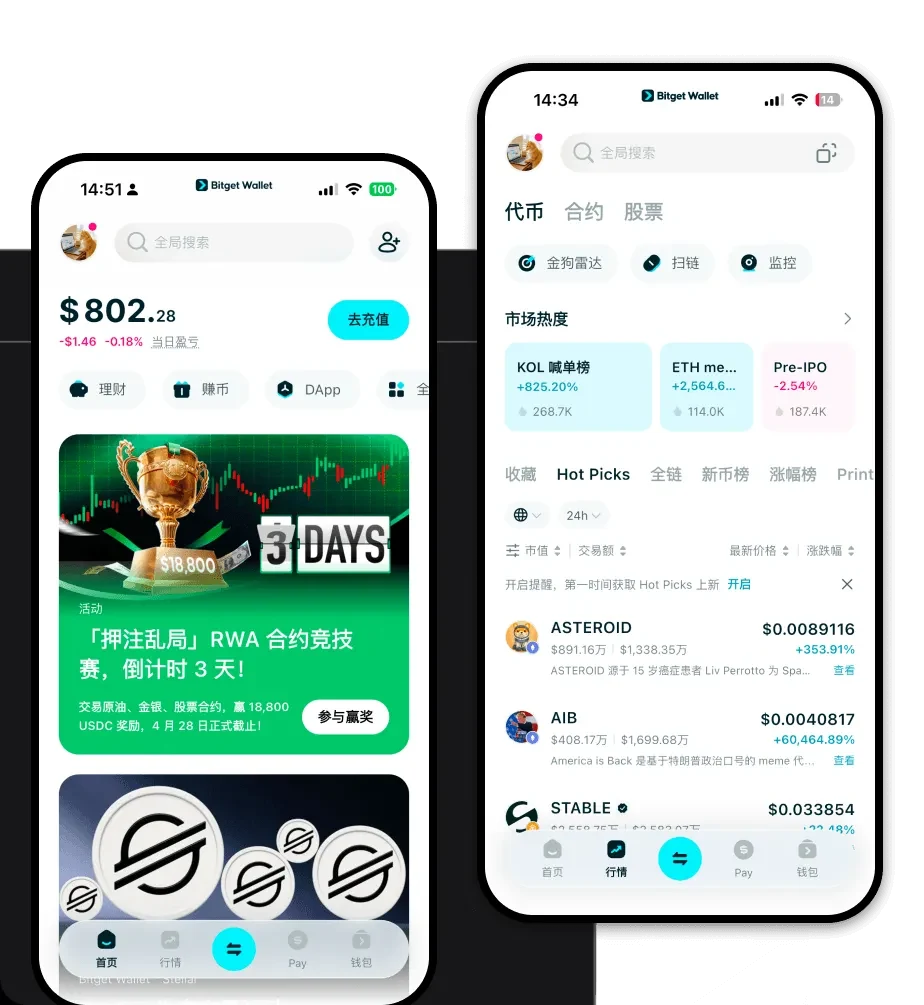
To fully engage with the Synthetix ecosystem, you need a robust, non-custodial solution that prioritizes security without sacrificing user experience. We recommend you download Bitget Wallet to manage your assets effectively. Whether you are an experienced DeFi yield farmer or a newcomer to synthetic assets, Bitget Wallet provides a seamless bridge to the EVM ecosystem.
Bitget Wallet is built for flexibility, offering:
- Total Asset Control: As a non-custodial wallet, you retain complete ownership of your private keys and seed phrases, ensuring your SNXA remains yours alone.
- Multi-Chain Versatility: While SNXA thrives on EVM networks, Bitget Wallet supports over 130+ blockchains, allowing you to manage your entire portfolio in one unified app.
- Anywhere Access: You can download the Bitget Wallet app on your iOS or Android device, or install the browser extension for a desktop experience that mirrors the speed of professional trading platforms.
Why Choose Bitget SNXA Wallet?
Selecting the right wallet for an EVM-based DeFi token like SNXA requires specific technical considerations. Bitget Wallet stands out by addressing the unique challenges of the DeFi space:
- Native EVM Compatibility: Bitget Wallet is optimized for the Ethereum Virtual Machine, ensuring that interacting with complex smart contracts on Synthetix is smooth, predictable, and free of unnecessary friction.
- Smart DeFi Integration: The wallet features a built-in DApp browser that allows you to connect directly to the Synthetix protocol, making it the best wallet for SNXA when you need to interact with synthetic asset dashboards.
- Gas Fee Optimization: By integrating advanced gas estimation tools, Bitget Wallet helps you navigate the sometimes volatile transaction costs on the EVM, allowing you to optimize your trades and staking actions.
- Institutional-Grade Security: With a $300M+ user protection fund and advanced encryption, Bitget Wallet provides a robust defense against common vulnerabilities, giving you peace of mind while managing your DeFi collateral.
How to Create an SNXA Wallet
Setting up your wallet is a straightforward process designed to get you into the Synthetix ecosystem quickly. Follow these steps to secure your SNXA wallet address:
- Install the App: Download the Bitget Wallet application from the official website or your preferred app store.
- Create a New Wallet: Open the app and select 'Create a Wallet.' It is critical that you write down your recovery phrase on physical paper and store it in a secure, offline location.
- Back Up Your Keys: Verify your recovery phrase as prompted. Never share this phrase with anyone, as it is the only way to recover your funds if you lose access to your device.
- Select Your Network: Since SNXA operates on the EVM, ensure that your wallet is set to the correct network where your tokens are held (e.g., Ethereum Mainnet or an L2 like Optimism).
- View Your Address: Tap the 'Receive' button and select your token to display your unique SNXA wallet address, which you can use to deposit funds from exchanges or other wallets.
What Can You Do With an SNXA Wallet?
An SNXA wallet is more than just a storage vessel; it is a tool for active participation in decentralized finance. Here is how you can utilize your SNXA tokens:
- Staking for Protocol Collateral: You can lock your SNXA tokens in the protocol to act as collateral, which is essential for maintaining the health and stability of the synthetic asset issuance system.
- Earning Inflationary Rewards: By actively participating in the protocol's collateralization requirements, you can earn inflationary rewards as compensation for securing the network.
- Governance Voting: Your SNXA wallet enables you to participate directly in decentralized governance, allowing you to cast votes on protocol upgrades, fee adjustments, and future developments of the Synthetix ecosystem.
- Trading Synthetic Assets: Use your wallet to connect to the Synthetix exchange, where you can trade a variety of synthetic assets that track the price of real-world commodities, indices, or other cryptocurrencies.
- Providing Liquidity: You can use your SNXA wallet to provide liquidity to decentralized exchanges, helping to ensure deep markets for synthetic assets while earning a share of trading fees.
How SNXA Wallets Are Different from Other Crypto Wallets
Because SNXA is an EVM-based token, the 'SNXA wallet' you choose must handle the specific architectural requirements of account-based blockchains. Unlike Bitcoin-based wallets that use the UTXO (Unspent Transaction Output) model, an EVM-compatible wallet like Bitget Wallet manages 'Accounts' that hold balances and interact with smart contract code.
This distinction is vital for DeFi. While a simple Bitcoin wallet focuses on sending and receiving value, an SNXA wallet must be capable of executing complex 'calls' to smart contracts. This allows you to trigger staking functions or liquidity provision directly from your wallet interface. Furthermore, because the EVM ecosystem relies on gas fees for transaction processing, a high-quality wallet must feature real-time gas estimation. This prevents failed transactions and helps you manage your costs effectively, a feature that is far more critical in the high-frequency environment of DeFi than it is in simple store-of-value networks.
