





What is a MSTG Wallet?
A MSTG wallet is a specialized digital interface designed to interact with the MSTG token ecosystem. MSTG is a digital asset supported by the Bitget Wallet ecosystem. Users can securely store, manage, and trade MSTG using Bitget Wallet, which provides a gateway to explore Web3 applications, decentralized finance, and asset management features within a trusted environment. Because MSTG operates on the EVM (Ethereum Virtual Machine) blockchain, it requires a wallet that is fully compatible with EVM standards. This ensures that your interactions with decentralized applications—whether you are participating in governance, swapping tokens, or managing your portfolio—are executed with high precision and compatibility. By choosing a dedicated MSTG wallet, you are ensuring that your assets are not just stored, but are actively ready for integration with the broader DeFi landscape.
Download Bitget MSTG Wallet
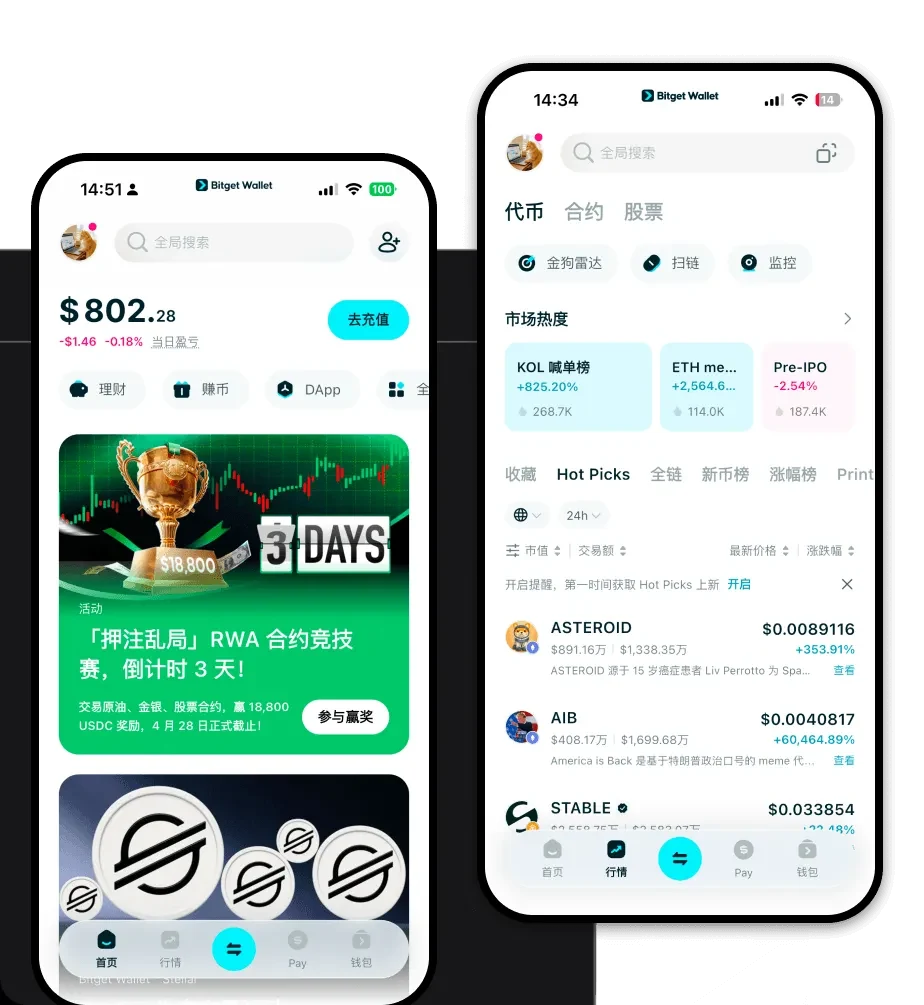
Getting started with your MSTG journey requires a reliable entry point. To begin, you should download Bitget Wallet, which offers a comprehensive solution for managing your digital assets. Bitget Wallet is designed to be user-friendly for beginners while offering advanced features for power users, making it the ideal MSTG wallet app for all experience levels. It supports multi-chain environments, meaning you can manage your MSTG alongside other assets seamlessly. Whether you prefer using a mobile device or a browser extension, the platform ensures that your private keys remain under your self-custody, giving you complete control over your funds. With constant updates and a robust interface, it stands out as the best wallet for MSTG users who prioritize both security and convenience.
Why Choose Bitget MSTG Wallet?
When dealing with EVM-based assets like MSTG, the quality of your wallet infrastructure directly impacts your DeFi experience. Here is why Bitget Wallet is the premier choice:
- EVM Native Compatibility: As an EVM-based asset, MSTG requires a wallet that understands the nuances of smart contract interactions. Bitget Wallet offers native support, ensuring that gas fee estimations and transaction executions are smooth and error-free.
- Cross-Chain Interoperability: The wallet is built to handle complex cross-chain transfers. You can move your MSTG across different EVM-compatible networks with ease, thanks to integrated bridge technology that eliminates the need for third-party tools.
- Asset Protection Fund: Security is paramount in DeFi. Bitget Wallet provides a 300 million USD user protection fund, adding an extra layer of safety for your MSTG holdings against unforeseen platform risks.
- High Liquidity Support: By aggregating hundreds of DEXs, Bitget Wallet ensures that when you trade MSTG, you are accessing the best possible liquidity pools, which translates to minimal slippage and faster execution.
- Secure Asset Management: Beyond simple storage, the wallet provides intuitive portfolio tracking tools that allow you to monitor your MSTG value and performance in real-time within a secure, encrypted environment.
How to Create a MSTG Wallet
Setting up your MSTG wallet is a straightforward process designed to prioritize your security. Follow these steps to get started:
- Install the Application: Visit the official website or your app store to download Bitget Wallet. Ensure you are using the official version to avoid phishing attempts.
- Create a New Wallet: Upon opening the app, select the option to create a new wallet. You will be prompted to set a strong, unique password for the application.
- Backup Your Seed Phrase: This is the most critical step. The app will generate a 12 or 24-word recovery phrase. Write this down on paper and store it in a secure, offline location. Never share this phrase with anyone.
- Configure Network Settings: Since MSTG operates on the EVM, ensure your wallet is set to the correct network. Bitget Wallet usually detects this automatically, but you can manually verify that your EVM-compatible chain is active.
- Add MSTG Token: Locate the 'Add Token' or 'Manage Assets' feature. Search for 'MSTG' and toggle the switch to add it to your main dashboard. Your MSTG wallet address is now ready to receive funds.
What Can You Do With a MSTG Wallet?
Owning MSTG in a capable wallet unlocks a variety of DeFi opportunities. Here is how you can utilize your assets:
- Trading on Decentralized Exchanges: Use the built-in DEX aggregator to swap MSTG for other tokens instantly. You can benefit from deep liquidity, ensuring that your trades are executed at competitive market rates without leaving the app.
- Liquidity Providing: By connecting your wallet to supported DeFi protocols, you can deposit your MSTG into liquidity pools. This allows you to earn a share of the trading fees generated by the protocol, turning your idle assets into a source of yield.
- Staking for Yield: Utilize the staking features integrated within the Bitget Wallet ecosystem to lock your MSTG tokens. This helps secure the network or protocol while rewarding you with additional tokens over time, providing a passive income stream.
- Cross-chain Transfers: Leverage the wallet's cross-chain capabilities to move your MSTG from one EVM network to another. Whether you are seeking lower fees or different ecosystem opportunities, you can bridge your assets quickly and securely.
How MSTG Wallets Are Different from Other Crypto Wallets
Not all wallets are created equal, especially when dealing with EVM-based tokens like MSTG. Unlike wallets built for UTXO-based chains (like Bitcoin), an EVM-compatible wallet like Bitget is designed to execute and interact with complex smart contracts. This means your MSTG wallet is not just a storage vessel; it is a functional tool that calculates gas fees in real-time, manages contract approvals, and interacts with DApps directly. While non-EVM wallets might focus on simple 'send and receive' functionality, a dedicated MSTG wallet is optimized for the speed, cost-efficiency, and high-frequency interactions required in the DeFi space. Furthermore, the integration of security features tailored for EVM interactions makes it significantly safer for users who frequently participate in decentralized finance protocols.
