





What is an HBS Wallet?
An HBS wallet is a digital tool designed to interact with the HyperBC ecosystem, allowing users to securely store, send, and manage their HBS tokens. As an asset built on the EVM (Ethereum Virtual Machine) chain, HBS benefits from the robust infrastructure and interoperability that defines the Ethereum ecosystem. In essence, HBS (HyperBC) is a digital asset associated with the HyperBC ecosystem, which focuses on providing secure crypto wallet and custody solutions, enabling users to explore Web3, manage assets, and integrate with decentralized applications. By using a wallet that supports EVM standards, you ensure that your HBS holdings remain compatible with a vast array of decentralized finance (DeFi) protocols and Web3 services.
Download Bitget HBS Wallet
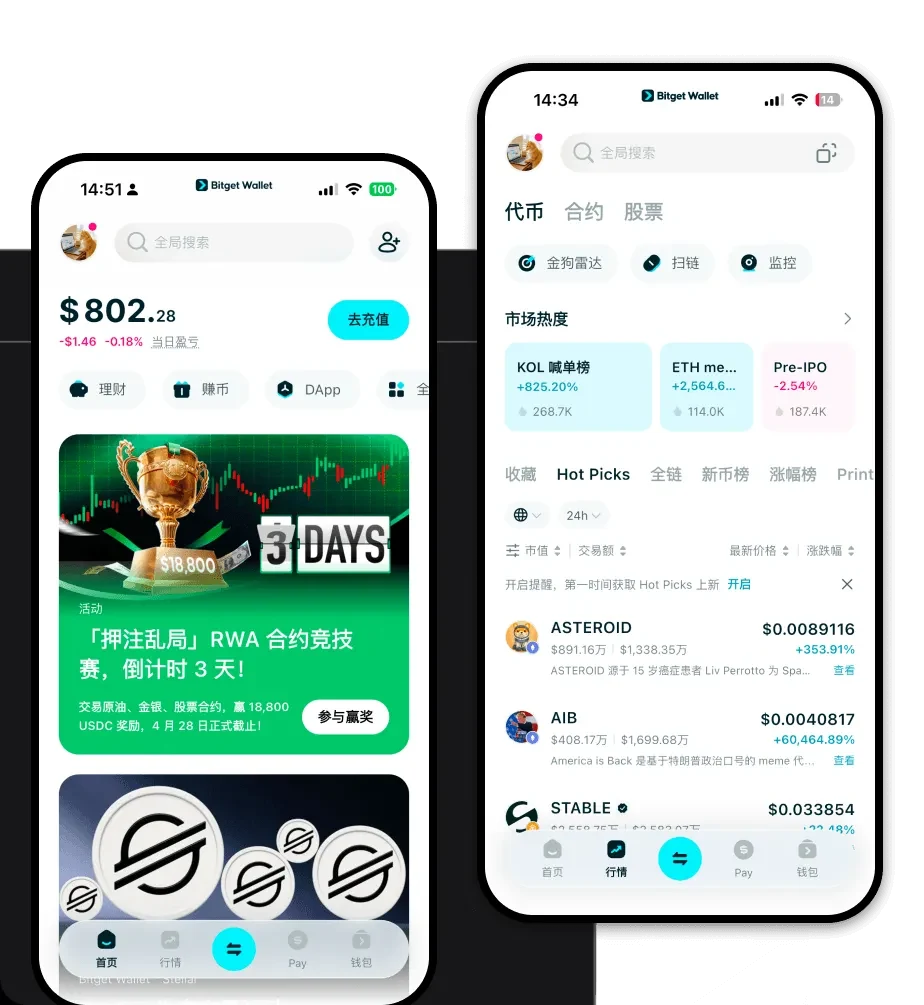
Finding the right home for your digital assets is the first step toward successful Web3 participation. We recommend that you download Bitget Wallet to experience a seamless interface that prioritizes both security and usability. Bitget Wallet is designed to be a non-custodial solution, meaning you maintain full control over your private keys and seed phrases at all times. Whether you are using a desktop browser, an iOS device, or an Android smartphone, the application offers a unified experience across all platforms. With support for over 130 public chains, it ensures that your HBS tokens are always accessible, regardless of the ecosystem or cross-chain bridge you need to interact with.
Why Choose Bitget HBS Wallet?
When selecting a wallet for HBS, the infrastructure behind the application matters as much as the interface itself. Bitget Wallet stands out for several technical and security-focused reasons:
- EVM Compatibility: As HBS operates within the EVM environment, Bitget Wallet offers native support, ensuring that you can interact with smart contracts, approve transactions, and manage gas fees with the same precision as you would on MetaMask, but with an enhanced, user-friendly UI.
- Institutional-Grade Security: Your assets are protected by a $300 million user protection fund, providing an extra layer of defense against malicious actors and unforeseen platform risks.
- Comprehensive Web3 Integration: The wallet is built as an all-in-one portal, allowing you to access DApps and DeFi protocols directly without needing to switch between different browser extensions or mobile apps.
- Seamless Cross-Chain Management: Bitget Wallet simplifies the complexity of moving assets across different networks, making it easier to manage your HBS alongside other holdings without getting bogged down by technical friction.
- Optimized Performance: The wallet is engineered for speed, ensuring that your transactions are broadcast efficiently, which is critical when navigating volatile markets or time-sensitive DeFi opportunities.
How to Create an HBS Wallet
Creating your wallet to store HBS is a straightforward process that prioritizes your security from the very first step. Follow these instructions to get started:
- Step 1: Install the App: Visit the official website to download Bitget Wallet on your preferred device, ensuring you use the official source to avoid phishing attempts.
- Step 2: Create a New Wallet: Upon launching the application, select 'Create a New Wallet.' You will be prompted to set a strong, unique password for the app interface.
- Step 3: Backup Your Mnemonic Phrase: This is the most critical step. Write down your secret recovery phrase on physical paper and store it in a secure location. Never share this with anyone, as it is the only way to recover your HBS wallet address if your device is lost.
- Step 4: Verify and Activate: Confirm your recovery phrase as requested by the app. Once verified, your wallet is initialized on the blockchain.
- Step 5: Manage Your EVM Assets: Since HBS is an EVM asset, you can immediately view it in your portfolio. If it does not appear automatically, you can use the 'Add Token' feature by inputting the specific HBS contract address to ensure your balance is displayed correctly.
What Can You Do With an HBS Wallet?
Owning an HBS wallet opens up a wide range of possibilities within the HyperBC ecosystem. Here is how you can utilize your wallet effectively:
- Asset Custody: You can utilize the wallet for secure asset custody, ensuring your HBS tokens are held in a non-custodial environment where only you control the private keys.
- Trading: The wallet allows you to engage in active trading by connecting to various decentralized exchanges (DEXs), enabling you to swap HBS for other tokens with minimal slippage.
- Cross-Chain Transfers: You can perform cross-chain transfers with ease, moving your assets between different networks to take advantage of various liquidity pools or lower transaction costs.
- Decentralized Application Access: The built-in DApp browser grants you decentralized application access, allowing you to interact with governance platforms, NFT marketplaces, and yield farming protocols directly.
- Portfolio Management: You can leverage the portfolio management tools to track your HBS performance, view real-time market data, and monitor your total net worth across all your connected accounts.
How HBS Wallets Are Different from Other Crypto Wallets
Not all wallets are created equal, and the distinction often lies in the underlying network architecture. Unlike wallets designed for UTXO-based chains (like Bitcoin), which focus on simple transaction outputs and input management, an HBS wallet is built for an account-based model (EVM). This means your wallet acts like a smart contract account capable of executing complex logic. While Bitcoin wallets prioritize simple, highly secure value transfers, an EVM-based wallet like Bitget allows for the 'gas fee' model, where you pay for computation. This provides you with the flexibility to execute complex DeFi strategies, stake your tokens, or participate in complex governance votes—capabilities that are fundamentally different from the rigid, though secure, nature of UTXO-based wallets.
