





What is a FGA Wallet?
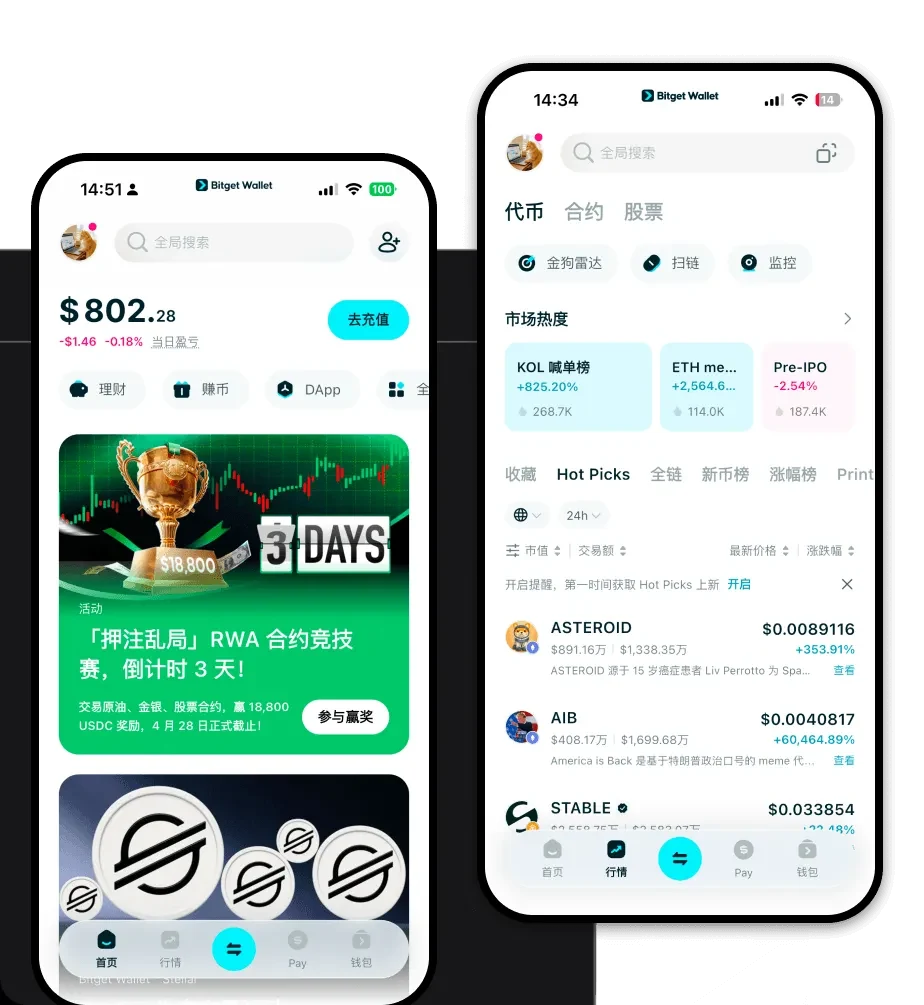
An FGA wallet is a digital interface that allows you to interact with the FGA token, which operates on the Ethereum Virtual Machine (EVM) blockchain. Because FGA is built on an EVM-compatible chain, it benefits from the vast interoperability and standardized smart contract environment that defines much of today's decentralized finance landscape. FGA is a cryptocurrency asset that can be securely stored and managed using Bitget Wallet. Bitget Wallet provides a reliable platform for users to manage their digital assets and explore the Web3 ecosystem.
Download Bitget FGA Wallet
Accessing your assets should be seamless, regardless of whether you are at your desk or on the move. To get started, you can download Bitget Wallet, which serves as a robust gateway to the decentralized web. This application is designed with cross-platform accessibility in mind, ensuring you have a consistent experience whether you are using the mobile app on iOS and Android or the browser extension on your desktop. By utilizing a non-custodial approach, Bitget Wallet ensures you maintain full control over your private keys, providing a secure foundation for your FGA holdings across multiple blockchain networks.
Why Choose Bitget FGA Wallet?
Selecting the right wallet for your FGA tokens requires looking beyond basic storage. As an EVM-based DeFi asset, FGA requires a wallet that understands the nuances of smart contract interactions and gas fee optimization. Here is why Bitget Wallet stands out:
- Seamless EVM Compatibility: Bitget Wallet is built to handle EVM-based assets natively, meaning you can interact with FGA-related smart contracts and dApps without configuration hurdles.
- Decentralized Asset Management: You retain complete ownership of your private keys and seed phrases, ensuring that your FGA tokens remain under your control at all times, away from centralized exchange risks.
- High Liquidity Support: The wallet aggregates hundreds of DEXs, ensuring you get the best slippage and price execution when trading FGA or swapping it for other assets.
- Advanced Security Infrastructure: With a $300 million protection fund and audited codebases, Bitget Wallet provides an institutional-grade security layer for your DeFi activities.
How to Create a FGA Wallet
Setting up your wallet is a straightforward process designed for both beginners and experienced DeFi users. Follow these steps to get your FGA wallet address ready:
- Install the App: Download Bitget Wallet from the official website or your device's app store.
- Create a New Wallet: Open the app and select 'Create a Wallet' to generate a new set of private keys.
- Backup Your Seed Phrase: Carefully write down and store your 12-word recovery phrase in a secure, offline location; never share this with anyone.
- Add FGA Token: Navigate to the asset list, use the search function to find FGA, and toggle it on to make it visible in your dashboard.
- Copy Your Address: Click on your FGA asset card to reveal your public address, which you can now use to receive tokens.
What Can You Do With a FGA Wallet?
Holding FGA is just the beginning. Bitget Wallet unlocks the full potential of your tokens by providing direct access to the DeFi ecosystem. Here is how you can utilize your assets:
- Trading: Use the built-in DEX aggregator within Bitget Wallet to swap FGA for other cryptocurrencies at the lowest possible market rates.
- Staking: Participate in network security or protocol governance by staking your FGA tokens directly through supported dApps accessible in the Bitget browser.
- Providing Liquidity: Deposit your FGA into liquidity pools on decentralized exchanges to earn transaction fees and yield, contributing to the overall market health of the token.
- Asset Holding: Keep your FGA in a secure, non-custodial environment where you can monitor your portfolio performance in real-time.
- Cross-chain Transfers: Leverage Bitget’s cross-chain bridge technology to move your FGA assets seamlessly between different supported networks without relying on centralized intermediaries.
How FGA Wallets Are Different from Other Crypto Wallets
Not all wallets are created equal, especially when dealing with EVM-based DeFi assets like FGA. Unlike wallets designed for UTXO-based chains (like Bitcoin), which focus on transaction inputs and outputs, an FGA wallet on the EVM must handle complex account-based models. This means your Bitget Wallet calculates gas fees in real-time based on network congestion, ensuring your transactions are processed efficiently. Furthermore, while some wallets prioritize simple storage, Bitget Wallet is optimized for the 'resource-heavy' nature of DeFi, providing direct access to DApps and liquidity protocols that are essential for maximizing the utility of your FGA tokens.
