





What is a ZB Wallet?
A ZB wallet is a digital interface that allows you to securely store, send, and receive ZB tokens. As ZB operates within the EVM (Ethereum Virtual Machine) ecosystem, its wallet must be compatible with standard Ethereum-based protocols to function correctly. ZB is the native utility token of the ZB.com exchange ecosystem, designed to facilitate platform transactions, provide fee discounts, and support various decentralized finance activities within the exchange's network. By using a compatible wallet, you essentially gain a gateway to interact with these on-chain functions, ensuring that you maintain complete control over your private keys rather than leaving them on a centralized exchange.
Download Bitget ZB Wallet
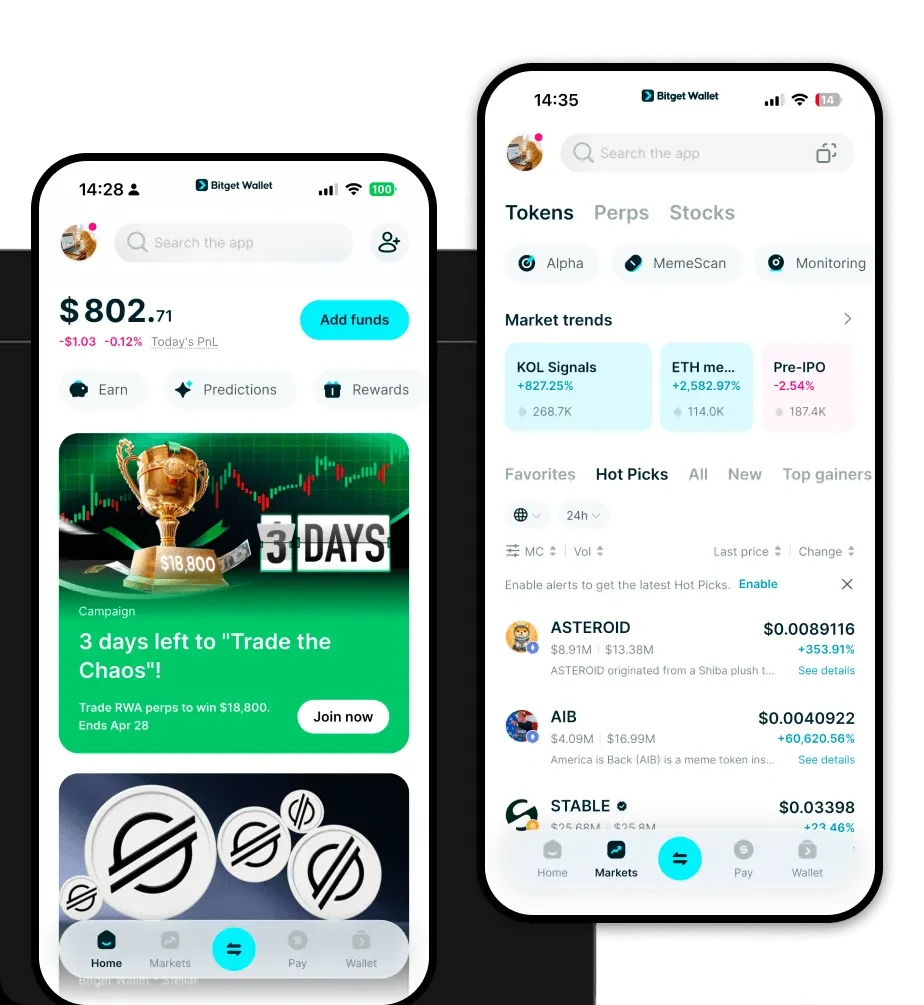
To start managing your assets effectively, you need a robust, user-friendly tool. We recommend you download Bitget Wallet to experience a seamless interface that handles multi-chain assets with ease. Unlike custodial solutions, Bitget Wallet is a self-custody solution, meaning you hold the keys to your financial freedom. Whether you are on the move or at your desk, the application is fully optimized for iOS, Android, and browser extensions. It is built to support millions of tokens across over 130 blockchains, making it an ideal companion for the EVM-based ZB token.
Why Choose Bitget ZB Wallet?
Choosing the right tool for an EVM-based token requires looking beyond basic storage. Bitget Wallet stands out for several technical and functional reasons:
- Native EVM Compatibility: Designed specifically for EVM chains, it ensures that interacting with ZB smart contracts is gas-efficient and error-free.
- Advanced DeFi Integration: Since ZB is deeply rooted in DeFi, the wallet provides a built-in DApp browser that connects directly to liquidity pools and staking protocols.
- Robust Security Architecture: With a $300 million protection fund and MPC (Multi-Party Computation) technology, your ZB assets are shielded against single-point failures.
- Aggregated Liquidity: The wallet aggregates hundreds of DEXs, ensuring that if you need to swap tokens, you always get the best market rates without leaving the app.
- Automated Token Management: It automatically detects and displays your ZB balance, including support for token burn mechanisms and governance participation.
How to Create a ZB Wallet
Getting started with your ZB wallet is a straightforward process designed for both beginners and veterans:
- Download and Install: Visit the official site to download Bitget Wallet for your preferred device.
- Create a New Wallet: Open the app and select 'Create a New Wallet.' Ensure you are in a private environment.
- Backup Your Mnemonic Phrase: Write down your 12-word seed phrase on paper. Never store this digitally. This is the only way to recover your ZB assets if you lose your device.
- Verify Phrase: Confirm the phrase to ensure you have recorded it correctly.
- Import or Add ZB: Once the wallet is set up, you will see a default list of assets. If ZB does not appear, use the 'Add Token' feature and paste the ZB contract address to view your balance.
What Can You Do With a ZB Wallet?
Having a ZB wallet is about more than just holding tokens; it is about participating in the ecosystem. Here is how you can utilize your ZB:
- Trading Fee Discounts: By holding ZB in your wallet, you can qualify for reduced trading fees when interacting with the ZB.com ecosystem smart contracts.
- Staking for Rewards: You can lock your ZB tokens into designated smart contracts via the wallet's DApp browser to earn passive yields.
- Participating in Token Sales: Your wallet acts as your identity, allowing you to participate in exclusive ecosystem launches and token sales directly from the chain.
- Cross-chain Asset Transfer: Use the wallet’s built-in bridge features to move your ZB or related assets across different EVM chains without relying on centralized bridges.
- Liquidity Mining: You can contribute your ZB to liquidity pools, enabling you to earn fees from other users' transactions while supporting the network's depth.
How ZB Wallets Are Different from Other Crypto Wallets
Not all wallets are created equal, especially when dealing with EVM tokens like ZB. Unlike non-EVM wallets (such as those for Bitcoin or Solana), a ZB wallet utilizes an 'Account-Based Model.' This means your balance is stored as a state in the Ethereum Virtual Machine, allowing for complex smart contract interactions that UTXO-based wallets cannot handle. Furthermore, because ZB relies on the EVM, your wallet must manage gas fees effectively. Bitget Wallet optimizes this by suggesting real-time gas prices, preventing failed transactions—a common issue in less advanced wallets. While other wallets might focus on simple storage, a specialized ZB wallet is designed to handle the nuances of token burns, governance voting, and DeFi yield farming, providing a more comprehensive toolset for active participants.
