





What is a yihe Wallet?
A yihe wallet is a digital storage solution specifically designed to interact with the yihe token, which operates on the EVM (Ethereum Virtual Machine) blockchain. The Power Queen is a derivative experimental token focusing on identity and decentralized governance; the team consists of small anonymous developers specializing in contracts and token mechanisms; the vision is to build a community ecosystem centered on governance and interaction, targeting Web3 users. Because yihe is built on EVM-compatible infrastructure, users require a robust, non-custodial wallet that can seamlessly handle smart contract interactions and token transfers within the broader Ethereum-compatible ecosystem.
Download Bitget yihe Wallet
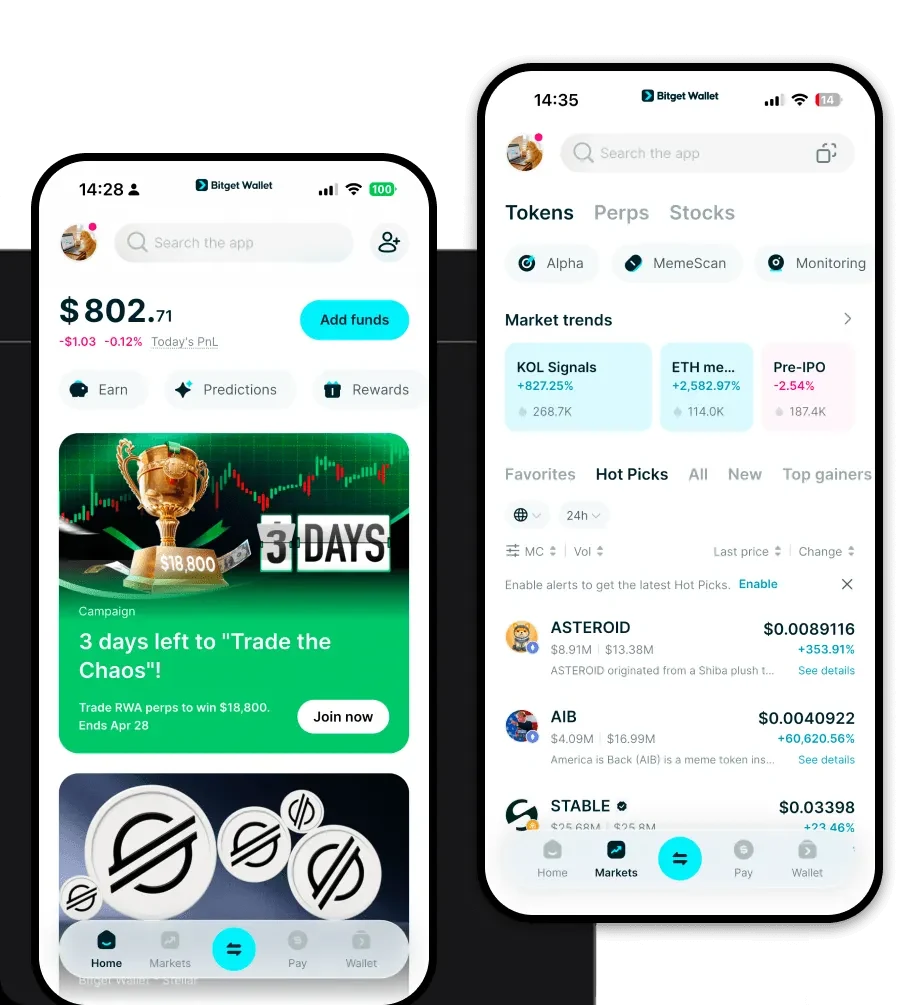
To start managing your assets, you need a reliable gateway. The best way to engage with the Power Queen ecosystem is to download Bitget Wallet. This application provides a comprehensive, non-custodial experience, ensuring you maintain full ownership of your private keys. Whether you are using an iOS device, an Android smartphone, or a desktop browser extension, Bitget Wallet offers a unified interface for all your Web3 needs. Its multi-chain support means you aren't limited to just one network, allowing you to manage your yihe tokens alongside other assets while benefiting from high-speed, secure transaction processing.
Why Choose Bitget yihe Wallet?
- Native EVM Compatibility: Designed specifically for the EVM ecosystem, ensuring that interacting with yihe contracts is as fluid as possible without compatibility errors.
- Advanced Security Infrastructure: With a $300 million user protection fund, Bitget Wallet provides a robust safety net for your meme token holdings.
- Optimized Gas Management: The app helps you visualize and manage transaction fees efficiently, a critical feature for active traders in the volatile meme coin market.
- Seamless DApp Integration: Connect directly to governance portals and community platforms without leaving your wallet, perfect for the identity-focused nature of yihe.
- Intuitive Asset Management: Easily view, send, and receive yihe tokens with a user-friendly interface that simplifies complex blockchain operations.
How to Create a yihe Wallet
Setting up your wallet is a straightforward process designed for both beginners and seasoned Web3 users:
- Install the App: Download the Bitget Wallet app from the official website or your device's app store.
- Generate a New Wallet: Select 'Create a Wallet' and ensure you carefully back up your 12-word seed phrase in a secure, offline location.
- Configure Security: Set a strong password and enable biometric authentication for an extra layer of protection.
- Add Custom Token: Since yihe is an experimental token, you may need to manually add it by pasting the contract address into the 'Manage Tokens' section.
- Verify Connection: Once added, your yihe balance will appear in your dashboard, ready for trading or governance participation.
What Can You Do With a yihe Wallet?
Holding yihe in a non-custodial wallet unlocks several key functionalities within the Power Queen ecosystem:
- Governance Voting: Actively participate in the project's decentralized governance by casting your votes on community proposals directly from your wallet interface.
- Community Participation: Engage with the Power Queen community by accessing exclusive DApps that require wallet authentication to prove your identity.
- Token Trading: Execute rapid swaps and trades on decentralized exchanges (DEXs) integrated within the Bitget Wallet, leveraging the liquidity of the EVM ecosystem.
- Social Interaction: Connect your wallet to social platforms that utilize Web3 identity, allowing you to display your Power Queen holdings and status to other community members.
How yihe Wallets Are Different from Other Crypto Wallets
Unlike wallets designed for legacy chains or non-EVM networks, a yihe wallet is built to handle the unique demands of smart contract-based meme tokens. Because yihe utilizes the EVM architecture, the wallet must manage account-based models where gas fees fluctuate based on network congestion. This is fundamentally different from UTXO-based wallets (like those for Bitcoin), which focus on transaction inputs and outputs. Furthermore, Bitget Wallet excels by providing a smooth experience for complex DeFi interactions, such as yield farming or liquidity provisioning, which are often required for experimental tokenomics, whereas simpler wallets might struggle with the gas estimation and contract interaction logic required for these activities.
