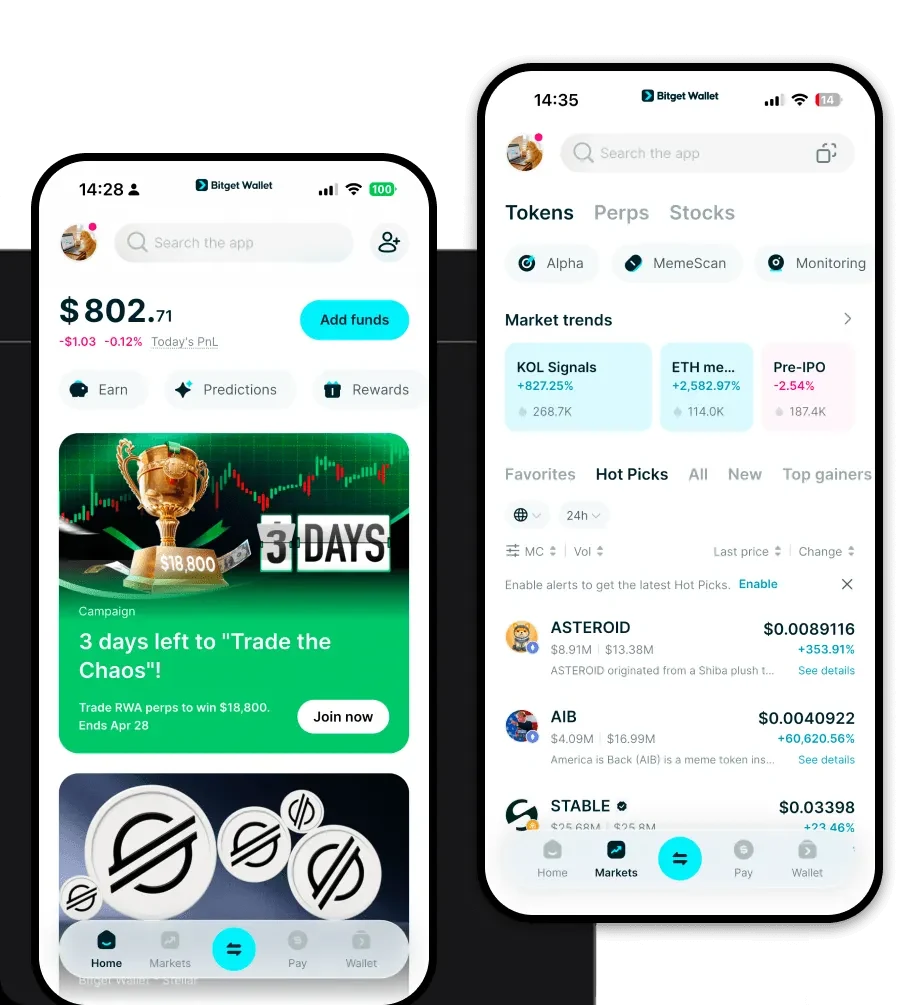
What is a WFI Wallet? The WorldsFinancialInfrastructure (WFI) token serves as an independent, experimental financial infrastructure asset. Positioned at the intersection of developer-focused tooling and institutional financial services, the project advocates building cross-chain settlement, composable DeFi modules, and on-chain governance. Because WFI is built on the EVM (Ethereum Virtual Machine) blockchain, it requires a wallet that is fully compatible with EVM standards. A WFI wallet is a digital interface that allows you to store, send, and interact with the WFI token and its underlying smart contracts. With limited public team information, the project focuses heavily on providing scalable underlying financial services that cater to developers, liquidity providers, and institutional users. Using a compatible wallet is essential for accessing these features, as it connects your assets directly to the decentralized applications (DApps) that power the WFI ecosystem. Download Bitget WFI Wallet For those looking for the best wallet for WFI, Bitget Wallet stands out as a premier choice due to its robust infrastructure and user-centric design. You can download Bitget Wallet directly from the official portal at 'https://web3.bitget.com/zh-CN/wallet-download'. Whether you are using an iOS device, an Android smartphone, or a desktop browser extension, the wallet provides a seamless experience for managing your digital assets. Bitget Wallet offers full self-custody, meaning you retain complete control over your private keys, which is critical for security. Furthermore, its multi-chain support ensures that your WFI tokens can be managed alongside other assets in your portfolio without needing to switch between different applications. The intuitive interface makes it easy for newcomers to navigate the complexities of on-chain transactions while providing advanced features for power users. Why Choose Bitget WFI Wallet? Choosing the right WFI wallet app is a strategic decision for any investor or developer. Bitget Wallet is optimized for the EVM environment, which is the native home of WFI. Here is why it is the superior choice for WFI users: - EVM Compatibility and DApp Integration: Bitget Wallet is built to handle EVM-based tokens flawlessly, ensuring that you can connect to WFI-related DeFi protocols and smart contracts without compatibility issues. - Smart Gas Fee Management: Since WFI operates on the EVM, transaction costs (gas fees) are a reality. Bitget Wallet provides real-time gas tracking and optimization, helping you execute transactions at the most cost-effective times. - Institutional-Grade Security: With a 300 million USD user protection fund, Bitget Wallet provides a layer of security that is essential when interacting with experimental financial infrastructure tokens. - Aggregated DeFi Ecosystem: The wallet aggregates hundreds of DEXs and cross-chain bridges, allowing you to swap WFI or provide liquidity with the best available market rates. - User-Centric Interface: Whether you are a developer looking to integrate WFI modules or a liquidity provider, the dashboard is designed to surface the most relevant financial data without cluttering your view. How to Create a WFI Wallet Setting up your WFI wallet address is a straightforward process that takes only a few minutes. Follow these steps to get started: 1. Download and Install: Visit the official website to download the Bitget Wallet app on your preferred device. 2. Create a New Wallet: Open the app and select 'Create Wallet'. You will be asked to set a secure password for local access. 3. Secure Your Seed Phrase: The app will generate a 12-word recovery phrase. Write this down on paper and store it in a secure location. Never share this with anyone. 4. Enable EVM Networks: Since WFI is an EVM token, ensure your wallet is set to the correct network (e.g., Ethereum or the specific chain where WFI is deployed) to view your balance correctly. 5. Receive WFI: Navigate to the 'Receive' section, copy your WFI wallet address, and use it to deposit tokens from an exchange or another wallet. What Can You Do With a WFI Wallet? Once you have your WFI tokens secured in your wallet, you can participate in the broader ecosystem. Here are the specific actions you can perform: - Governance Voting: Use your WFI holdings to participate in on-chain governance, allowing you to vote on proposals that shape the future development of the infrastructure. - Providing Liquidity: By depositing WFI into decentralized liquidity pools, you can earn fees and support the stability of the WFI ecosystem. - Cross-Chain Asset Settlement: Utilize your wallet to interact with cross-chain settlement protocols, enabling the movement of value between different blockchain environments. - DeFi Protocol Integration: Interact with composable DeFi modules by connecting your wallet to various WFI-compatible DApps to earn yield or utilize financial services. - Staking: Secure your WFI tokens through staking mechanisms, which helps maintain network integrity while potentially earning staking rewards. How WFI Wallets Are Different from Other Crypto Wallets Not all crypto wallets are created equal. A WFI wallet, specifically one designed for the EVM ecosystem like Bitget Wallet, functions differently than wallets for non-EVM chains (like Bitcoin or Solana). Because WFI is an EVM-based token, your wallet uses an 'Account-Based' model rather than the 'UTXO' model used by Bitcoin. This means your wallet address tracks a balance rather than individual transaction outputs. Furthermore, because WFI is an infrastructure token, the wallet must handle complex smart contract interactions, which requires a high level of EVM compatibility. Unlike Solana wallets that focus on high-speed, low-cost transaction throughput, a WFI wallet prioritizes robust smart contract execution and seamless integration with DeFi protocols, ensuring that your interactions with the infrastructure are reliable and efficient.