





1. What is a uOHM Wallet?
A uOHM wallet is a digital interface designed to interact with the uOHM protocol, a derivative project that inherits the innovative OHM-style (3,3) reserve design. Launched specifically on the Robinhood Chain through pools.trade, uOHM functions as an experimental DeFi and on-chain reserve currency tool. Because it operates as an offline ledger simulation without custody of user funds, your choice of wallet is critical for maintaining full control over your assets. A compatible wallet acts as the secure bridge between your private keys and the smart contracts governing the bond supplement protocol treasury, periodic rebase mechanisms, and staking functions. To fully participate in the uOHM ecosystem, your wallet must be capable of handling the specific network requirements of the Robinhood Chain while ensuring your assets remain accessible and secure.
2. Download Bitget uOHM Wallet
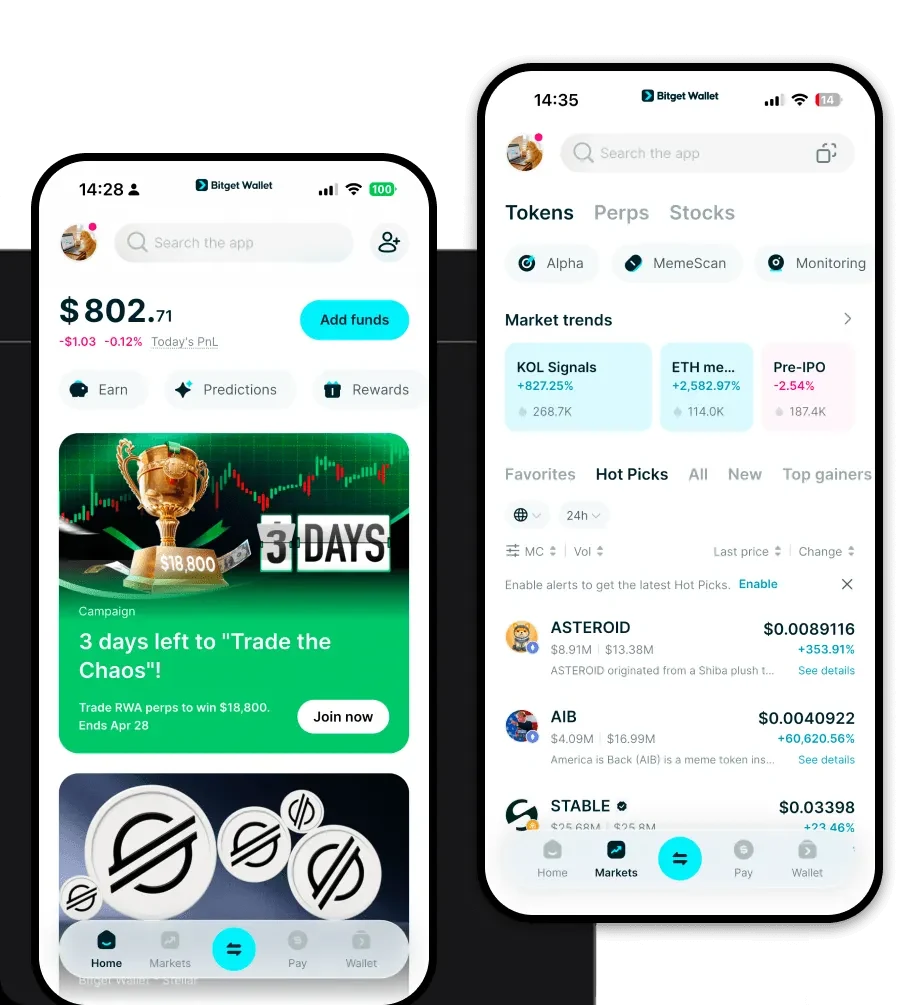
To begin managing your uOHM, you need a robust gateway that bridges the gap between complex DeFi protocols and user accessibility. Bitget Wallet provides a comprehensive solution that supports over 130 public chains, ensuring seamless interaction with the Robinhood Chain. Whether you are using an iOS device, an Android smartphone, or a browser extension, Bitget Wallet offers a unified experience. It is a non-custodial solution, meaning you hold your own private keys and retain full authority over your funds—a necessity for DeFi participants. You can download Bitget Wallet today to start your journey. The application is designed to be lightweight yet powerful, allowing you to track your uOHM balance, monitor market trends, and execute on-chain transactions without needing to juggle multiple apps.
3. Why Choose Bitget uOHM Wallet?
When dealing with experimental DeFi protocols like uOHM, your wallet choice impacts both your security and your operational efficiency. Here is why Bitget Wallet is the preferred choice for uOHM users:
- Advanced DeFi Aggregation: Bitget Wallet integrates hundreds of DEXs and liquidity sources, ensuring that you can easily swap assets and interact with pools.trade protocols with minimal slippage.
- Multi-Chain Compatibility: Unlike wallets limited to a single ecosystem, Bitget supports over 130 chains, allowing you to manage your uOHM alongside other assets seamlessly.
- Robust Asset Security: With a $300 million user protection fund, Bitget provides an extra layer of security, safeguarding your DeFi activities against potential platform risks.
- Real-time Market Insights: The built-in market analysis tools allow you to track the performance of your reserve assets and rebase metrics directly within the app.
- Seamless DApp Integration: The native DApp browser allows you to connect directly to the uOHM interface and staking portals without leaving the secure environment of your wallet.
4. How to Create a uOHM Wallet
Setting up your wallet is the first step toward participating in the uOHM reserve model. Follow these steps to get started:
Step 1: Visit the official Bitget Wallet website or your device's app store to download Bitget Wallet.
Step 2: Open the application and select 'Create a New Wallet.' Ensure you are in a private environment.
Step 3: Carefully back up your mnemonic phrase (seed phrase). Write it down on paper and store it offline—never share this with anyone or take a screenshot.
Step 4: Once the wallet is initialized, navigate to the network settings to ensure the Robinhood Chain is recognized or added via custom RPC if necessary.
Step 5: Copy your wallet address from the main dashboard to receive uOHM or other assets required for your DeFi activities.
5. What Can You Do With a uOHM Wallet?
A uOHM wallet is more than just a storage vessel; it is a tool for active participation in the protocol's experimental economy. With your wallet, you can perform the following actions:
- Staking: You can lock your tokens into the protocol to earn suOHM, contributing to the protocol's stability and your own yield.
- Bonding: Participate in the bond supplement protocol treasury by bonding assets, which helps expand the reserves of the uOHM ecosystem.
- Yield Farming: Utilize your assets to participate in yield farming opportunities, maximizing the utility of your holdings within the DeFi space.
- Liquidity Provision: Add your tokens to liquidity pools on platforms like pools.trade to facilitate trading and earn transaction fee rewards.
- Reserve Asset Accumulation: Use your wallet to manage and monitor the growth of your reserve assets, tracking the impact of periodic rebasing on your total balance.
6. How uOHM Wallets Are Different from Other Crypto Wallets
Understanding the architecture of your wallet is vital when moving from standard crypto assets to experimental DeFi protocols. Unlike simple wallets designed for holding Bitcoin (which uses the UTXO model for transaction verification), a uOHM-compatible wallet must support the Account Model used by EVM-compatible chains. This allows for complex smart contract interactions required for staking and bonding. Furthermore, while some chains require users to manage resources like RAM or CPU, the Bitget Wallet simplifies this by abstracting the complexity of gas fees and network congestion. While a Bitcoin wallet focuses on cold storage security for a store-of-value asset, a uOHM wallet is a 'hot' interactive tool designed for high-frequency DeFi engagement, prioritizing speed, DApp connectivity, and the ability to track rebasing metrics in real-time.
