





What is a tariffcard Wallet?
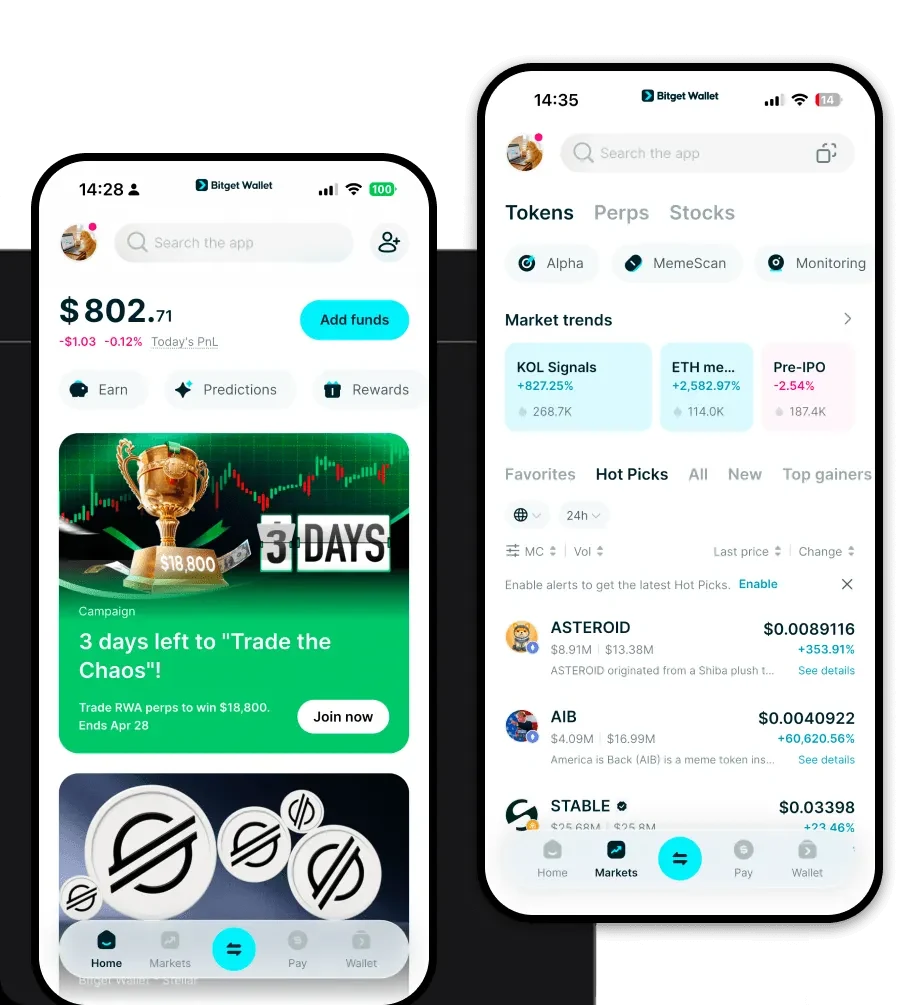
A tariffcard wallet is a specialized digital interface designed to interact with the tariffcard asset, which operates primarily on the EVM (Ethereum Virtual Machine) blockchain. Because tariffcard is built on EVM architecture, it requires a wallet that natively understands the Ethereum standard, ensuring full compatibility with decentralized protocols and token specifications. TariffCard is a digital asset that leverages secure crypto wallet solutions, such as Bitget Wallet, to facilitate user interaction within the Web3 ecosystem. It is designed for users seeking reliable and secure management of their digital assets, allowing them to explore Web3 functionalities seamlessly.
Download Bitget tariffcard Wallet
To begin managing your digital assets effectively, you need a robust, cross-platform tool. Bitget Wallet provides a comprehensive solution that bridges the gap between complex blockchain technology and user-friendly interaction. Whether you are using an iOS device, an Android smartphone, or a desktop browser, Bitget Wallet offers a consistent, high-performance experience.
Key features include:
- Multi-chain support: Access over 130+ blockchains, ensuring your tariffcard and other assets are always reachable.
- Self-custody: You maintain full control over your private keys, meaning your assets remain yours alone.
- Seamless integration: Effortlessly sync your wallet across mobile and browser extensions.
Ready to get started? Download Bitget Wallet today to secure your digital future.
Why Choose Bitget tariffcard Wallet?
As an infrastructure-focused asset, tariffcard requires a wallet that prioritizes stability, speed, and deep ecosystem integration. Here is why Bitget Wallet stands out as the best wallet for tariffcard:
- Native EVM Compatibility: Bitget Wallet is built from the ground up to support the EVM ecosystem, ensuring that your token interactions are smooth and free from compatibility errors.
- Advanced Security Infrastructure: With a $300 million user protection fund, Bitget Wallet adds a crucial layer of security, safeguarding your assets against potential vulnerabilities.
- Efficient Gas Management: As an EVM-based asset, transaction fees are a reality. Bitget Wallet offers optimized gas tracking, helping you execute transfers when network congestion is low.
- DApp Ecosystem Access: Explore the vast world of DeFi protocols and Web3 platforms directly through the integrated DApp browser.
How to Create a tariffcard Wallet
Setting up your wallet is a straightforward process designed to prioritize your security while getting you operational in minutes:
- Install the App: Download the Bitget Wallet application from the official store or website.
- Create New Wallet: Select 'Create a Wallet' and ensure you are in a private environment.
- Backup Your Seed Phrase: Carefully write down your 12-word mnemonic phrase. Never share this with anyone, as it is the master key to your funds.
- Verify and Secure: Re-enter your seed phrase to confirm, and set a strong PIN or biometric lock for the app.
- Add tariffcard: Once your wallet is active, use the 'Add Token' feature and search for the tariffcard contract address to see your balance.
What Can You Do With a tariffcard Wallet?
A tariffcard wallet is more than just a place to hold tokens; it is your gateway to the broader Web3 landscape. Here is how you can utilize your wallet:
- Asset Storage: Safely hold your tariffcard tokens in a non-custodial environment where you are the sole owner of the private keys.
- Token Transfers: Send tariffcard tokens to any other EVM-compatible address globally with transparency and speed.
- Web3 dApp Interaction: Connect your wallet to various decentralized applications to participate in governance, staking, or yield farming.
- Portfolio Management: Monitor your entire asset holdings in real-time with integrated market data and price tracking.
How tariffcard Wallets Are Different from Other Crypto Wallets
Unlike non-EVM wallets, a tariffcard wallet operates on an 'Account-Based' model rather than the UTXO (Unspent Transaction Output) model used by Bitcoin. This fundamental difference allows for complex smart contract interactions, which are essential for the infrastructure category to which tariffcard belongs. While UTXO wallets are excellent for simple peer-to-peer transfers, an EVM-compatible wallet like Bitget is optimized for the programmable nature of tokens. You benefit from faster processing of complex transactions and a seamless user experience when interacting with DeFi protocols, where gas fees are calculated based on the computational complexity of the smart contract logic rather than just the number of inputs and outputs.
