





What is a SEA Wallet?
A SEA wallet is a digital interface designed to interact with the SEA token, a community-driven derivative asset operating on the EVM (Ethereum Virtual Machine) blockchain. SEA is primarily initiated by community members on social platforms, revolving around discussions regarding NFTs and community ecosystems. Developed largely by small or anonymous developer teams, the project prioritizes on-chain identity, community governance, and incentive mechanisms. Its core mission is to foster a long-term sustainable ecosystem and a robust collaboration framework for creators and token holders alike. Because it functions on the EVM, a SEA wallet must be capable of handling smart contract interactions, gas fee management, and the nuances of Ethereum-based token standards.
Download Bitget SEA Wallet
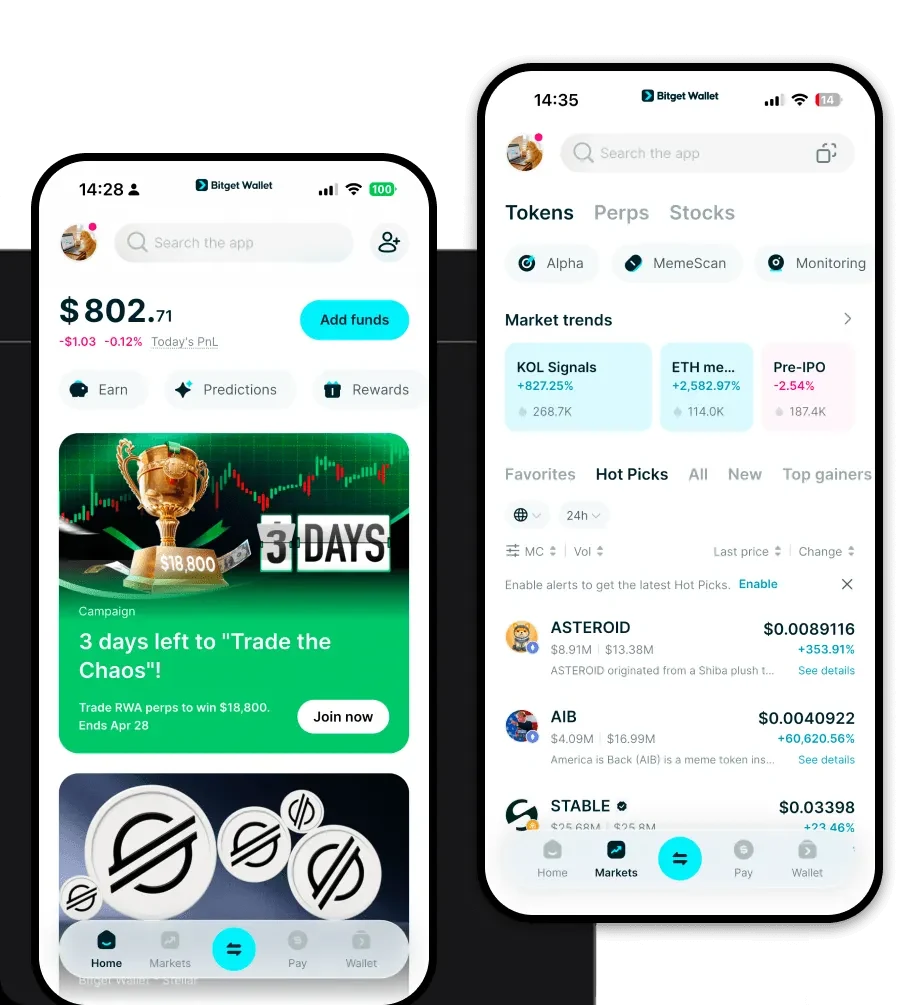
To fully experience the potential of the SEA ecosystem, you need a robust, non-custodial gateway. Bitget Wallet stands out as a premier solution, offering a secure, self-custody environment where you retain complete control over your private keys. Whether you are using a mobile device or a desktop, the platform ensures seamless accessibility. You can download Bitget Wallet across iOS, Android, and as a browser extension, providing you with a unified experience. With its extensive multi-chain support, you aren't limited to just one network; you can manage your SEA assets alongside thousands of other tokens effortlessly.
Why Choose Bitget SEA Wallet?
- Native EVM Compatibility: Designed specifically for the Ethereum ecosystem, Bitget Wallet allows you to interact with SEA smart contracts and DApps without compatibility issues, ensuring smooth transaction signing.
- Advanced Security Infrastructure: With a $300 million user protection fund and sophisticated MPC (Multi-Party Computation) technology, your SEA holdings are shielded from common vulnerabilities.
- Optimized Gas Fee Management: Bitget Wallet provides real-time gas price tracking and suggestions, ensuring that your speculative trading and governance activities remain cost-effective.
- DeFi and NFT Integration: Beyond simple storage, the wallet features a built-in DApp browser and NFT marketplace, making it easy to engage with the NFT-centric utilities that define the SEA project.
How to Create a SEA Wallet
Creating your gateway to the SEA ecosystem is a straightforward process designed for both newcomers and veterans:
- Install the App: Visit the official website or your app store to download Bitget Wallet and install it on your preferred device.
- Initialize Your Wallet: Open the application and select 'Create a New Wallet.' The system will generate a unique mnemonic phrase (recovery phrase).
- Backup Your Seed Phrase: Write down your recovery phrase on physical paper and store it in a secure location. Never share this with anyone, as it is the only way to recover your assets.
- Set Up Security: Configure biometric authentication or a strong PIN code to add a layer of immediate access protection to your wallet interface.
- Add SEA Token: Since SEA operates on the EVM, you can simply search for the token contract address within the wallet's 'Add Token' feature to make your SEA balance visible on your dashboard.
What Can You Do With a SEA Wallet?
Holding SEA in a capable wallet unlocks several key functionalities inherent to the project's design:
- Governance Voting: You can actively participate in community governance by using your SEA balance to vote on proposals that shape the future of the ecosystem.
- Community Participation: Use your wallet to connect to community platforms and social forums where you can verify your on-chain identity and contribute to discussions.
- Token Staking: Lock your assets into staking protocols to earn rewards, supporting the incentive mechanisms built into the SEA framework.
- NFT Ecosystem Collaboration: Engage directly with NFT-centric utilities by minting, trading, or holding digital collectibles that are integrated with the SEA project.
- Speculative Trading: Utilize the integrated DEX aggregators within Bitget Wallet to execute trades efficiently, taking advantage of liquidity across multiple decentralized exchanges.
How SEA Wallets Are Different from Other Crypto Wallets
When dealing with an EVM-based token like SEA, the choice of wallet is critical compared to those designed for other architectures. Unlike wallets built for BTC (which utilize the UTXO model for transaction inputs and outputs), a SEA wallet must utilize the Account Model common to the Ethereum ecosystem. This allows for complex smart contract interactions, such as automated staking and governance voting, which are not native to UTXO-based chains. Furthermore, while some chains use resource models (like CPU/NET/RAM in EOS), the SEA wallet focuses on gas fee optimization, ensuring that your transactions are processed quickly and affordably within the EVM environment. This distinction makes a specialized, EVM-compatible wallet like Bitget far superior for SEA users than generic or legacy storage solutions.
