





What is an RFC2 Wallet?
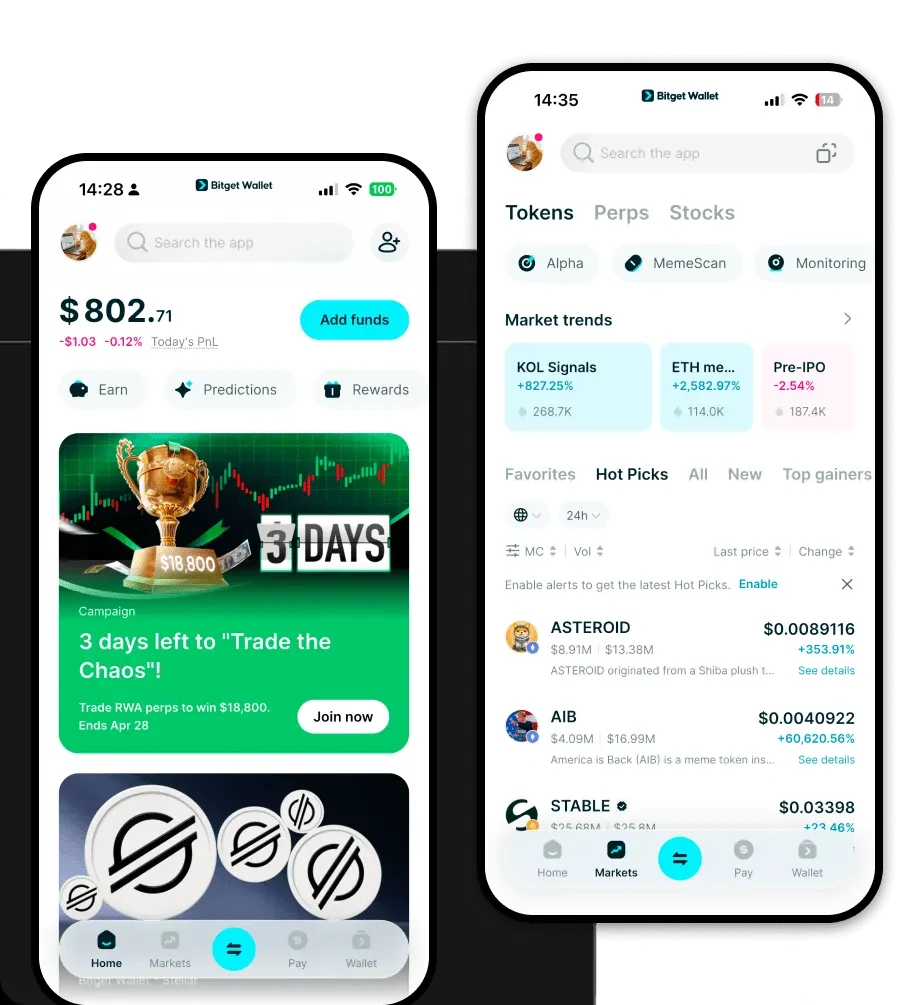
An RFC2 wallet is a digital interface designed to interact with the RFC2 token, a unique digital asset operating on the EVM (Ethereum Virtual Machine) blockchain. Because RFC2 is built on EVM-compatible architecture, your wallet acts as a gateway to the broader Ethereum ecosystem, enabling seamless interactions with decentralized applications (dApps) and smart contracts. RFC2 is a digital asset supported by Bitget Wallet, providing users with a reliable and secure environment to manage and explore their crypto holdings within the Web3 ecosystem.
Download Bitget RFC2 Wallet
Finding the right tool to manage your tokens shouldn't be a hurdle. To get started, you need a robust, non-custodial solution that puts you in full control of your private keys. Bitget Wallet offers a comprehensive, multi-chain experience that caters to both seasoned traders and newcomers. Whether you prefer the mobility of a smartphone or the detailed interface of a desktop browser, Bitget Wallet has you covered with native applications for iOS and Android, alongside a powerful browser extension. To begin your journey, you can download Bitget Wallet and instantly gain access to a platform that supports over 130+ blockchains and millions of tokens, ensuring your RFC2 assets are always just a tap away.
Why Choose Bitget RFC2 Wallet?
When dealing with Meme tokens like RFC2, you need a wallet that understands the fast-paced nature of EVM ecosystems. Bitget Wallet stands out for several key reasons:
- EVM Native Integration: Experience perfect compatibility with EVM-based smart contracts, ensuring you can interact with RFC2 pools and protocols without compatibility issues.
- Advanced Decentralized Trading: The wallet aggregates hundreds of DEXs and cross-chain bridges, allowing you to find the best liquidity for your RFC2 trades instantly.
- Community-Driven Support: The interface is designed to support the rapid discovery and management of trending tokens, perfect for the community-centric nature of RFC2.
- Top-Tier Security Architecture: With a $300 million user protection fund, Bitget Wallet provides an extra layer of defense for your holdings, far beyond standard encryption.
- Gas-Efficient Transactions: Optimize your transaction costs with smart gas fee estimation, critical for high-frequency trading in the meme coin market.
How to Create an RFC2 Wallet
Creating your secure gateway for RFC2 is a straightforward process designed to prioritize your ownership:
- Install: Visit the official website or your app store to download the Bitget Wallet application.
- Initialize: Open the app and select 'Create a New Wallet' to generate a fresh set of credentials.
- Backup: Carefully write down your seed phrase (recovery phrase) and store it in an offline, secure location; never share this with anyone.
- Verify: Confirm your seed phrase within the app to ensure you have correctly backed up your access credentials.
- Add RFC2: Once your wallet is live, search for the RFC2 contract address on the EVM chain to import the token and start viewing your balance.
What Can You Do With an RFC2 Wallet?
Your RFC2 wallet is more than just a place to hold coins; it is an active tool for participating in the Web3 economy:
- Trading: You can execute rapid swaps for RFC2 directly within the wallet interface, tapping into aggregated liquidity to minimize slippage.
- Holding: Securely store your RFC2 tokens in a non-custodial environment where you maintain exclusive control over your private keys.
- Liquidity Provision: Use your RFC2 holdings to participate in decentralized finance protocols, providing liquidity to pools and potentially earning rewards.
- Wallet Storage: Utilize the wallet as a long-term vault for your digital assets, benefiting from the robust security features that protect your holdings from unauthorized access.
How RFC2 Wallets Are Different from Other Crypto Wallets
The primary difference between a standard wallet and a specialized EVM wallet for RFC2 lies in how the underlying blockchain is handled. Unlike UTXO-based chains (like Bitcoin), which focus on unspent transaction outputs, the EVM model uses an account-based system. This means your wallet tracks a balance and a nonce, which is essential for executing smart contracts efficiently. When managing an RFC2 wallet, you are utilizing a system that prioritizes gas management and dApp interaction rather than simple coin transfers. Furthermore, because RFC2 is a meme-category asset, the wallet is optimized for speed and liquidity, allowing you to react to market shifts faster than standard, generic wallets that may lack integrated DEX support.
