





What is a PUMP500 Wallet?
A PUMP500 wallet is a digital interface that allows you to interact with the PUMP500 protocol, an experimental derivative index built on the Solana blockchain. PUMP500 is an experimental derivative index based on the Solana pump.fun ecosystem, initiated by Stakewhale907. It is weighted by market capitalization, liquidity, and 24h performance. The protocol converts creator fees into selected tokens every 10 minutes and redistributes them to stakers, functioning as an indexed staking and yield aggregation tool for the pump.fun ecosystem. Because it operates on Solana, your wallet needs to be compatible with the Solana network to manage, stake, or trade these assets efficiently.
Download Bitget PUMP500 Wallet
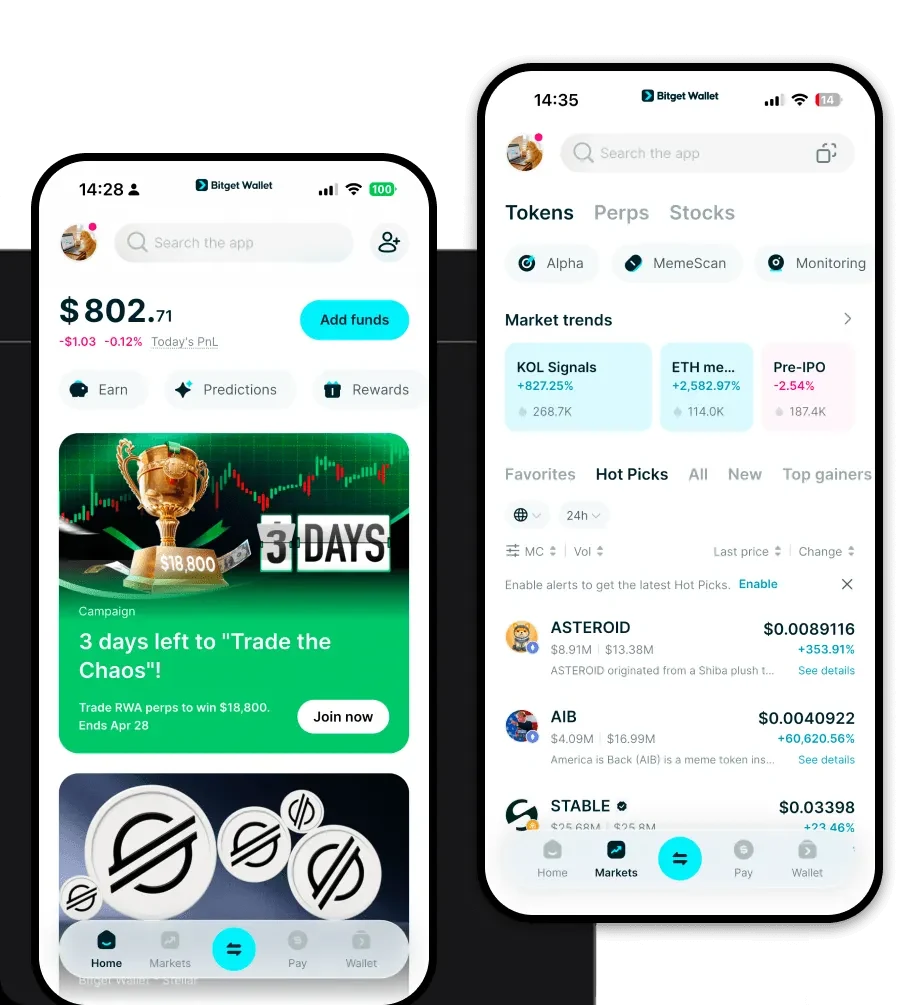
To start managing your PUMP500 tokens, you need a secure and versatile gateway. Bitget Wallet offers a comprehensive solution that supports over 130 blockchains, including Solana, ensuring that your PUMP500 assets are always accessible. It provides full self-custody over your private keys, meaning you retain complete control over your funds without relying on third-party exchanges. Whether you prefer managing your portfolio on the go via iOS or Android, or you need a robust browser extension for desktop interaction, Bitget Wallet is designed to meet these needs. To get started, you can download Bitget Wallet and create your personal gateway to the PUMP500 ecosystem.
Why Choose Bitget PUMP500 Wallet?
- Native Solana Performance: Benefit from Solana’s high-throughput architecture, ensuring that your PUMP500 transactions are processed in milliseconds with minimal gas fees.
- Deep DeFi Integration: Access a built-in DApp browser that connects directly to the pump.fun ecosystem, allowing for seamless interaction with yield aggregation protocols.
- Advanced Asset Security: Rest easy with the protection of a $300 million user protection fund, designed to safeguard your assets against unforeseen protocol risks.
- Automated Portfolio Tracking: Experience real-time monitoring of your PUMP500 holdings, with automatic market capitalization weighting updates directly within your interface.
How to Create a PUMP500 Wallet
Creating a wallet for your PUMP500 journey is straightforward and takes only a few minutes:
- Download and install Bitget Wallet on your preferred device (mobile or desktop extension).
- Select "Create a New Wallet" and carefully back up your mnemonic recovery phrase in a secure, offline location.
- Once inside the dashboard, click on the "Add Token" or "Manage Tokens" button.
- Search for PUMP500 or input the official contract address to enable it for your Solana wallet address.
- You are now ready; your Solana address acts as your PUMP500 wallet address for receiving and sending tokens.
What Can You Do With a PUMP500 Wallet?
Using a PUMP500 wallet opens up a suite of DeFi opportunities tailored to the Solana ecosystem:
- Staking: Participate in indexed staking by locking your tokens to earn rewards from the protocol’s redistribution mechanism.
- Yield Farming: Deploy your assets into liquidity pools to maximize returns through the protocol's automated yield aggregation.
- Portfolio Indexing: Track the performance of your holdings based on real-time market capitalization and 24h performance metrics directly within the app.
- Liquidity Provision: Provide liquidity to the PUMP500 ecosystem to help maintain stable trading conditions and earn share-based fees.
How PUMP500 Wallets Are Different from Other Crypto Wallets
Unlike wallets designed solely for EVM chains like Ethereum, a PUMP500 wallet optimized for Solana operates on a unique account-based model designed for high-speed performance. While EVM wallets often struggle with high gas fees during peak network activity, the PUMP500 wallet leverages Solana’s low-cost transaction structure, making frequent staking and yield rebalancing actions economically viable. Furthermore, because PUMP500 is deeply integrated with the pump.fun ecosystem, this wallet serves as a specialized tool for experimental derivatives, prioritizing speed and low-latency interaction over the complex, multi-layered gas-heavy operations required by older blockchain architectures.
