





What is an OHM Wallet?
An OHM wallet is a secure digital interface designed to store, manage, and interact with OHM, the native token of the Olympus DAO ecosystem. Because OHM operates on the EVM (Ethereum Virtual Machine) blockchain, any wallet you choose must be compatible with Ethereum-based standards. The $OHM (Olympus v2) builds a decentralized financial layer with its treasury-backed currency policy to offer liquidity solutions, aiming for a crypto-native fiat alternative. Using a dedicated wallet allows you to participate directly in this protocol, ensuring you maintain full custody of your assets while engaging with sophisticated DeFi mechanisms.
Download Bitget OHM Wallet
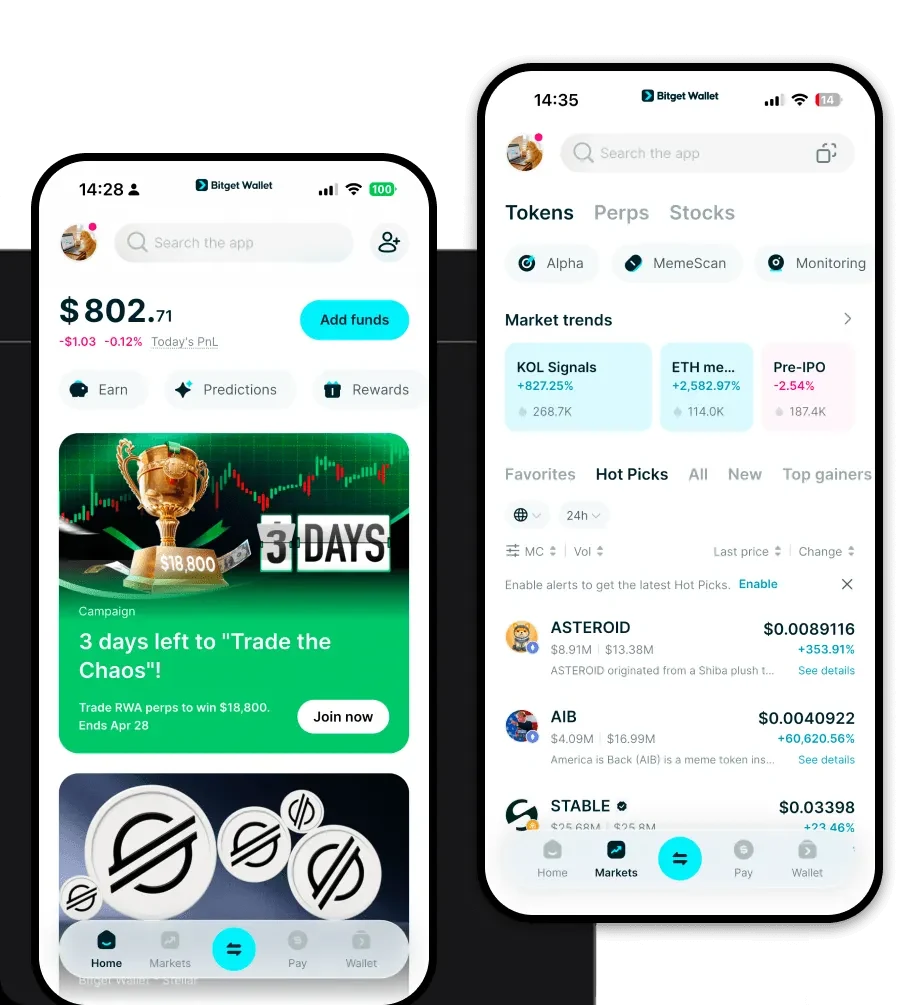
To start your journey with Olympus DAO, you need a robust, user-friendly interface that connects seamlessly to the EVM ecosystem. Bitget Wallet stands out as a premier choice for OHM holders, offering a secure, self-custodial environment where you are the sole owner of your private keys. Whether you are using an iPhone, an Android device, or a desktop browser, the platform is optimized for performance and ease of use. You can easily download Bitget Wallet to access your assets on the go. Its multi-chain support ensures that you can manage not just your OHM, but your entire portfolio across various networks from a single, intuitive dashboard.
Why Choose Bitget OHM Wallet?
As an EVM-based token, OHM requires a wallet that understands the nuances of Ethereum's ecosystem, including gas fees and smart contract interactions. Bitget Wallet is engineered to provide the best experience for DeFi power users:
- Seamless EVM Integration: Built specifically to handle Ethereum-based tokens, ensuring smooth transactions and rapid interaction with Olympus protocol contracts.
- Advanced Gas Management: Bitget Wallet optimizes gas fee calculations, helping you execute transactions efficiently even during periods of high network congestion.
- DApp Browser Ecosystem: Access the Olympus DAO interface directly through the built-in DApp browser, allowing you to stake and bond without leaving the wallet environment.
- Enhanced Security Infrastructure: Benefit from a robust security framework, including a $300 million user protection fund, ensuring your assets are shielded against potential exploits.
- Aggregated Liquidity: Leverage the wallet's built-in DEX aggregator to find the best swap rates when trading OHM against other assets, reducing slippage and maximizing efficiency.
How to Create an OHM Wallet
Setting up your wallet is a straightforward process that grants you immediate control over your digital assets. Follow these steps to get started:
Step 1: Download the Bitget Wallet app from the official website or your device's app store.
Step 2: Open the app and select 'Create a New Wallet' to generate a fresh set of credentials.
Step 3: Carefully back up your seed phrase. This is the master key to your funds; keep it offline and secure, as whoever holds this phrase holds your OHM.
Step 4: Once the wallet is initialized, set a strong, unique PIN or biometric lock for an extra layer of security.
Step 5: Add the Ethereum network or simply import your OHM token address to see your balance reflected in the main view.
What Can You Do With an OHM Wallet?
Holding OHM in a self-custodial wallet unlocks the full potential of the Olympus DAO protocol. Here is how you can utilize your tokens:
- Staking for rebase rewards: You can lock your OHM tokens within the protocol to earn compounding rewards, effectively increasing your holdings over time through the rebase mechanism.
- Bonding assets to protocol treasury: By participating in the bonding process, you provide liquidity to the Olympus treasury in exchange for discounted OHM tokens, which helps strengthen the protocol's backing.
- Governance voting: Use your wallet to connect to the Olympus DAO governance portal, allowing you to vote on proposals that shape the future of the decentralized financial layer.
- Trading on decentralized exchanges: Utilize the wallet's connectivity to swap OHM for other assets on major DEXs like Uniswap or SushiSwap, ensuring you can exit or enter positions whenever market conditions demand.
How OHM Wallets Are Different from Other Crypto Wallets
When dealing with an EVM-based token like OHM, your wallet acts as a bridge to smart contracts, which is fundamentally different from wallets used for UTXO-based chains like Bitcoin. While Bitcoin wallets focus on transaction inputs and outputs, an OHM wallet must manage 'Account' models, which track balances and smart contract states. Because OHM relies heavily on DeFi interactions, your wallet needs to be more than just a storage unit; it must act as a 'browser' for the Ethereum blockchain. Bitget Wallet excels here by handling the complexities of gas fees—the 'fuel' required to process your staking or bonding transactions—providing a much smoother experience compared to generic wallets that lack built-in DeFi optimization.
