





What is a MED Wallet?
A MED wallet is a digital interface designed to interact with the MediBloc ecosystem, a decentralized healthcare information platform built on blockchain technology. The primary purpose of a MED wallet is to allow patients to own and manage their medical data securely while enabling interoperability between healthcare providers. Since MED has evolved to support EVM compatibility, a MED wallet acts as the gateway for users to manage their digital assets, participate in governance, and interact with the underlying infrastructure that powers this medical data revolution. By using a secure wallet, users ensure that their interaction with the blockchain remains private, efficient, and fully under their own control.
Download Bitget MED Wallet
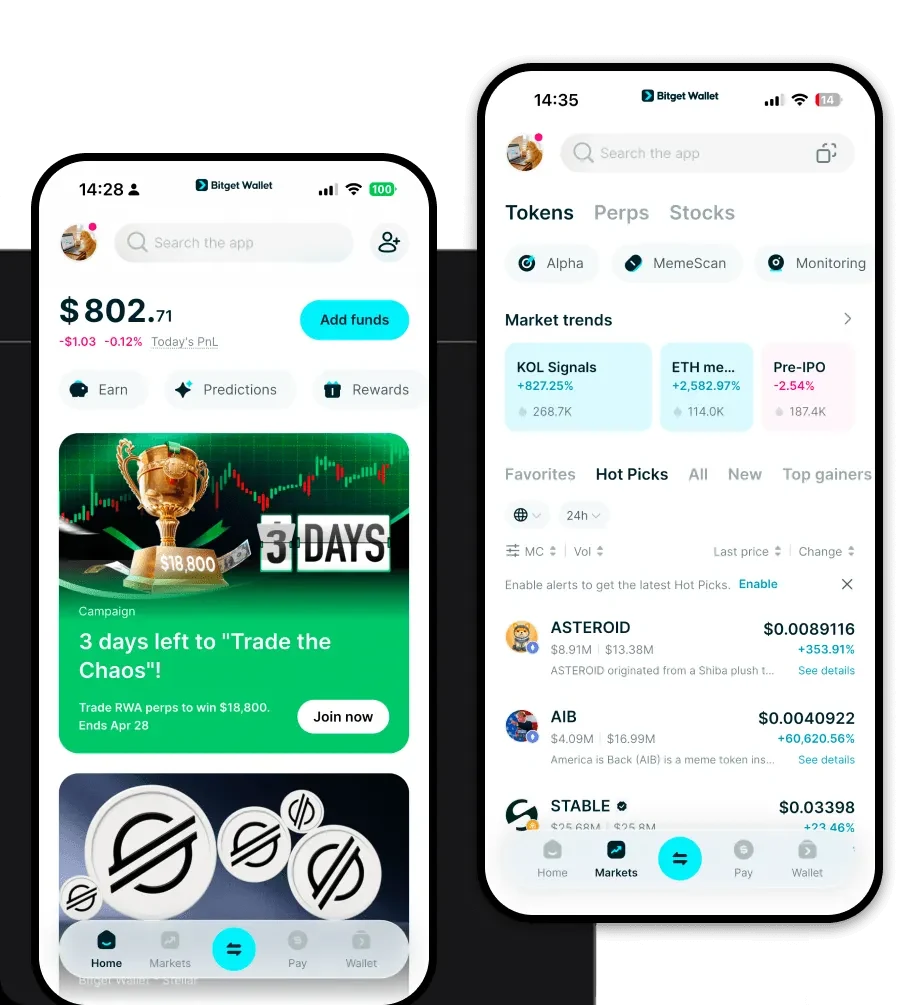
If you are looking for a reliable way to manage your assets, Bitget Wallet stands out as the premier choice. It offers a comprehensive suite of features designed for both newcomers and advanced users. With its robust support for multiple chains, you can easily manage your MED tokens alongside a vast array of other assets. The wallet prioritizes user sovereignty through private key self-custody, ensuring that only you have access to your funds. Whether you are on the go or at your desk, you can download Bitget Wallet across iOS, Android, or as a browser extension to experience seamless connectivity with the decentralized web.
Why Choose Bitget MED Wallet?
Choosing the right wallet for an infrastructure project like MediBloc requires balancing security with usability. Bitget Wallet offers several distinct advantages:
- EVM Compatibility: As a wallet built to handle the complexities of EVM chains, it ensures that your MED transactions are processed with the standard, widely-accepted protocols used across the broader DeFi and infrastructure landscape.
- Advanced Asset Management: You gain a clear, unified view of your portfolio, making it simple to monitor your MED holdings and other digital assets in one place.
- Robust Security Architecture: With a $300 million user protection fund and decentralized security protocols, Bitget Wallet provides a high-level shield against unauthorized access and potential threats.
- Native DApp Integration: The built-in DApp browser allows you to interact directly with healthcare protocols and decentralized platforms without leaving the security of your wallet environment.
How to Create a MED Wallet
Setting up your wallet is a straightforward process designed to get you started in minutes:
- Download and Install: Visit the official Bitget Wallet website and download the application for your preferred device (iOS, Android, or Chrome extension).
- Create a New Wallet: Open the app and select 'Create a Wallet.' You will be prompted to set a strong password for local access.
- Secure Your Backup: The wallet will generate a 12-word seed phrase. Write this down on paper and store it in a secure, offline location. Never share this with anyone.
- Verify Your Seed Phrase: Confirm the phrase to ensure you have backed it up correctly.
- Add MED Token: Navigate to the asset list, click 'Add Token,' and search for MED. Toggle the switch to enable it in your dashboard, and your wallet address will be ready to receive funds.
What Can You Do With a MED Wallet?
Holding MED in your Bitget Wallet is not just about storage; it opens the door to active participation in the healthcare data economy. Here is how you can utilize the token:
- Medical Data Sharing: You can securely authorize the sharing of your anonymized medical records with researchers or healthcare providers, potentially earning rewards for your contribution to data science.
- Healthcare Insurance Claims Processing: Use your wallet to interact with decentralized insurance protocols that utilize MED to automate and speed up claim validations.
- Staking for Network Security: By staking your MED tokens through your wallet, you actively contribute to the security and consensus of the network while earning potential rewards.
- Governance Voting: Participate in the future of the MediBloc ecosystem by using your wallet to cast votes on critical governance proposals that shape the platform's development.
- Transaction Fee Payments: Utilize your MED tokens to cover transaction fees within the ecosystem, ensuring smooth and uninterrupted access to decentralized medical services.
How MED Wallets Are Different from Other Crypto Wallets
Unlike standard wallets designed for simple currency transfers, a MED wallet tailored for an infrastructure-heavy project like MediBloc requires specific capabilities. Because MED leverages EVM compatibility, the wallet utilizes an account-based model rather than a UTXO structure. This means your wallet manages state and smart contract interactions rather than just unspent transaction outputs. You will notice that gas fees are a central factor here; the wallet is optimized to calculate and manage these fees efficiently during high-traffic periods, ensuring your medical data transactions are prioritized. This differs significantly from older generation wallets, as it prioritizes the seamless execution of complex DApp interactions over simple peer-to-peer sending.
