





What is an MCO Wallet?
An MCO wallet is a digital interface designed to store, manage, and interact with the MCO token, which operates on the EVM (Ethereum Virtual Machine) blockchain. MCO (formerly Crypto.com Coin) was the utility token for the Crypto.com platform, providing benefits like staking rewards, higher credit card limits, and interest bonuses. Note: MCO has been migrated/swapped to CRO. Because MCO is an EVM-compatible asset, any wallet you choose must support the Ethereum network standards to ensure your transactions and token interactions are processed correctly.
Download Bitget MCO Wallet
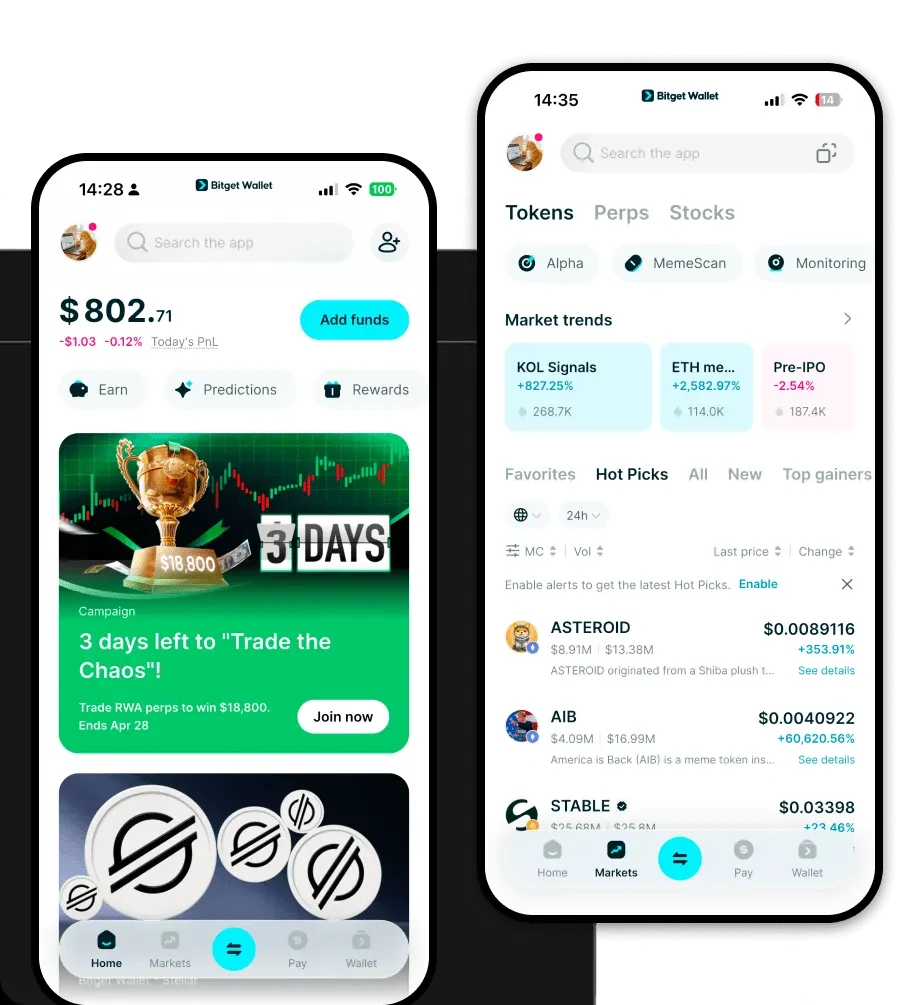
To get started with your digital assets, you need a reliable gateway. We recommend you download Bitget Wallet to experience a seamless interface that bridges the gap between complex blockchain interactions and user-friendly design. Whether you are using an iOS device, an Android smartphone, or prefer the convenience of a browser extension for desktop interactions, Bitget Wallet offers a unified experience. It is a non-custodial solution, meaning you retain full control over your private keys and seed phrases, ensuring that you are the sole guardian of your assets. With its robust support for over 130 public chains, it provides a comprehensive environment for managing not just MCO, but a vast ecosystem of tokens.
Why Choose Bitget MCO Wallet?
- EVM Ecosystem Integration: As an EVM-compatible wallet, Bitget Wallet allows you to interact with decentralized finance (DeFi) protocols smoothly, managing gas fees effectively while ensuring compatibility with thousands of dApps.
- Advanced Security Protocols: With a $300 million protection fund, Bitget Wallet provides an extra layer of security, giving you peace of mind while managing your portfolio.
- Multi-Chain Aggregation: You can manage assets across 130+ chains in one place, eliminating the need to switch between different apps when handling multi-chain portfolios.
- Smart DeFi Management: The wallet features built-in tools for market analysis and asset management, helping you track your DeFi positions and yield opportunities in real-time.
How to Create an MCO Wallet
Setting up your Bitget Wallet is a straightforward process designed for both beginners and experienced traders:
- Download and Install: Visit the official website to download the Bitget Wallet app for your specific device (iOS, Android, or Browser Extension).
- Create a New Wallet: Open the app and select the option to create a new wallet. You will be prompted to back up your seed phrase—do this carefully and store it offline.
- Verify Seed Phrase: Confirm your seed phrase to ensure you have recorded it correctly; this is the only way to recover your wallet if you lose your device.
- Set Up Security: Configure a strong password and enable biometric authentication (FaceID or Fingerprint) for quick and secure access.
- Import or Add Token: Since MCO is an EVM token, you can add it to your wallet by searching for the token contract address within the 'Add Token' feature to ensure it appears in your asset list.
What Can You Do With an MCO Wallet?
Once your wallet is set up, you can leverage it for various DeFi activities:
- Staking: Participate in staking protocols to lock your tokens and earn passive rewards over time, contributing to network security.
- Receiving Platform Rewards: Use your wallet address to receive various platform-based rewards and airdrops directly into your self-custody account.
- Upgrading Card Tiers: Manage the tokens required to maintain or upgrade your status for specific financial services or card benefits within the ecosystem.
- Accessing Financial Services: Interact with various DeFi lending and borrowing platforms to maximize the utility of your holdings.
How MCO Wallets Are Different from Other Crypto Wallets
When selecting a wallet for an EVM-based token like MCO, the underlying architecture matters. Unlike wallets designed for the UTXO model (like Bitcoin), which focus on individual transaction inputs and outputs, an EVM wallet like Bitget Wallet utilizes an account-based model. This means your wallet functions more like a bank account, where your balance is tracked as a state variable. Furthermore, while some chains require complex resource management (such as CPU/NET/RAM on EOS), the EVM model relies on 'Gas' fees paid in the native currency to execute transactions. Bitget Wallet optimizes this experience by providing accurate gas estimations and high-speed transaction broadcasting, ensuring your DeFi interactions remain cost-effective and efficient compared to generic or limited-functionality wallets.
