



What is a Manual Wallet?
A Manual wallet is a digital interface designed to interact with the Manual token, an independently deployed experimental derivative token that functions within the EVM (Ethereum Virtual Machine) ecosystem. Unlike standard assets, Manual is specifically engineered to validate a new collaboration model between modular contracts and on-chain governance. Because the team consists mostly of small or anonymous developers, having a reliable, non-custodial wallet is crucial for maintaining control over your assets.
The project's core focus lies in contract composability, community incentives, and governance tools. By utilizing an EVM-compatible wallet, users can effectively manage their holdings while engaging with the infrastructure designed to build sustainable economic and governance frameworks for developers and autonomous communities. Whether you are participating in governance or deploying modular contract protocols, your wallet serves as your gateway to this experimental ecosystem.
Download Bitget Manual Wallet
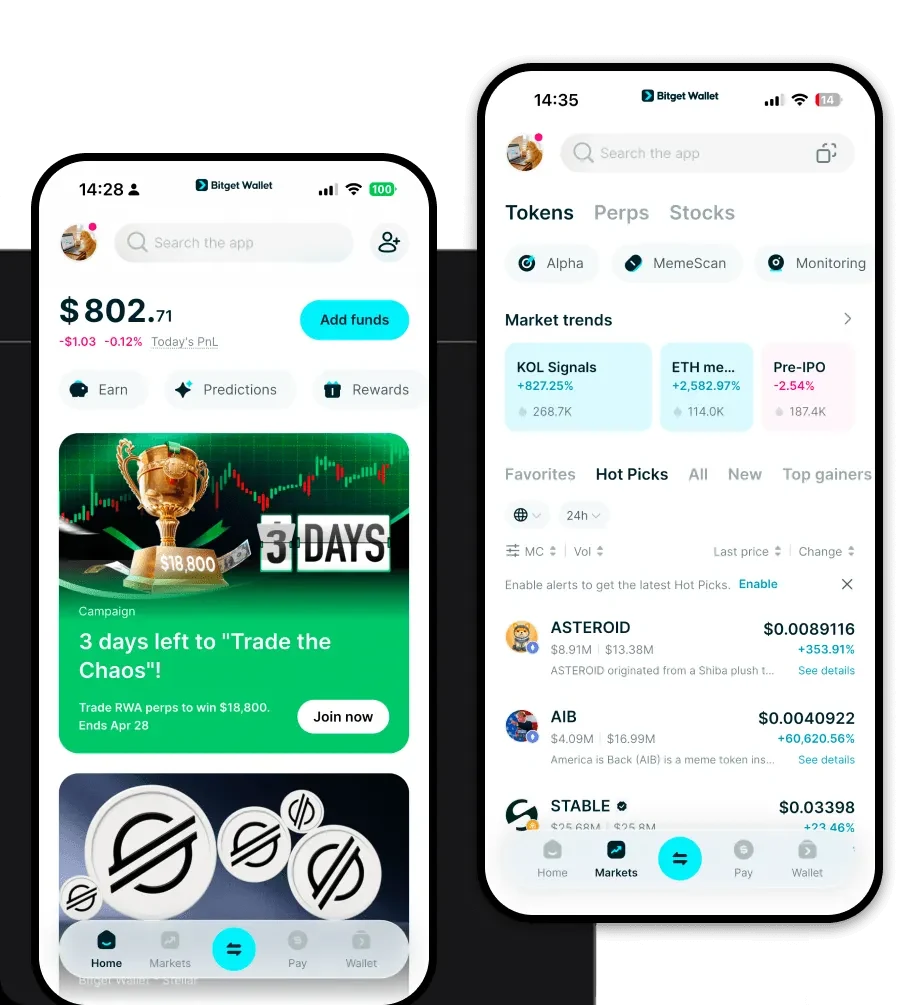
To safely interact with the Manual ecosystem, you need a robust, non-custodial solution. Bitget Wallet provides the ideal environment for this. You can easily download Bitget Wallet to get started. It supports a wide array of devices, including iOS and Android mobile apps, as well as a browser extension for desktop users.
This wallet is designed for true self-custody, meaning you hold your private keys, not the exchange. With support for over 130+ public chains and millions of tokens, it is the best wallet for Manual and other EVM-based assets. The installation process is straightforward: visit the official site, select your device, and follow the prompts to ensure you are downloading the genuine application.
Why Choose Bitget Manual Wallet?
Choosing the right tool for an experimental asset like Manual is essential. Bitget Wallet stands out for several key reasons:
- EVM Ecosystem Compatibility: As an EVM-based token, Manual requires seamless interaction with smart contracts. Bitget Wallet offers native compatibility with DeFi protocols, allowing you to participate in ecosystem activities without friction.
- Advanced Security Infrastructure: The platform features a dedicated 300 million USD user protection fund, providing an additional layer of security for your assets against unforeseen protocol risks.
- Seamless DApp Integration: The built-in DApp browser allows you to connect directly to governance portals and incentive platforms, making it the best wallet for Manual users who need to interact with experimental protocols.
- Gas Fee Optimization: Bitget Wallet provides real-time gas fee estimation and management, ensuring you can execute transactions on the EVM chain cost-effectively.
- Intuitive Asset Management: You can track your Manual balance alongside other holdings in a unified interface, simplifying your portfolio management across modular infrastructures.
How to Create a Manual Wallet
Setting up your wallet is the first step toward participating in the Manual ecosystem. Follow these steps:
- Download and Install: Get the official application from the Bitget Wallet website or your device's app store.
- Create a New Wallet: Open the app and select 'Create a New Wallet.' Ensure you are in a private environment.
- Secure Your Backup Phrase: You will be given a 12 or 24-word recovery phrase. Write this down on paper and store it securely—never share it digitally.
- Verify Your Phrase: The app will ask you to confirm your phrase to ensure you have backed it up correctly.
- Access Your Address: Once verified, your EVM-compatible address is generated. You can now send Manual tokens to this address to begin your journey.
What Can You Do With a Manual Wallet?
Owning a Manual wallet is about more than just holding tokens; it is about active participation in the project's infrastructure. Here are the specific actions you can take:
- Governance Voting: Use your wallet to connect to the project's governance portal, allowing you to cast votes on proposals that shape the future of the autonomous community.
- Participating in Community Incentives: Engage with staking or reward protocols directly through your wallet to earn community-driven incentives as defined by the project.
- Deploying Modular Contract Protocols: Leverage the composable nature of your wallet to interact with and deploy modules, contributing to the development of the project’s infrastructure.
- Trading on Decentralized Exchanges: Connect your wallet to various DEXs to swap Manual tokens for other assets, taking advantage of the liquidity available in the EVM ecosystem.
- Protocol Treasury Management: If you are a contributor or stakeholder, use your wallet to manage and monitor treasury assets, ensuring transparent and secure protocol operations.
How Manual Wallets Are Different from Other Crypto Wallets
When dealing with a Manual wallet on the EVM chain, the experience differs significantly from other ecosystems like Bitcoin or Solana. Unlike Bitcoin, which uses the UTXO (Unspent Transaction Output) model, the EVM operates on an account-based model. This means your wallet functions like a bank account balance rather than a collection of transaction inputs, which is highly efficient for managing smart contract interactions.
Furthermore, while some chains might rely on complex resource models (like CPU/NET/RAM on EOS), the EVM model relies on gas fees paid in the native currency to execute code. A high-quality EVM wallet like Bitget Wallet simplifies this by managing these fees dynamically. This ensures that when you are interacting with Manual's experimental modular contracts, you are not bogged down by the underlying technical complexity, allowing for a faster and more intuitive experience compared to older, less flexible wallet architectures.
