





What is an LPM Wallet?
An LPM wallet serves as your digital gateway to the LPM ecosystem, providing the necessary infrastructure to interact with the blockchain securely. LPM (LPM) is a digital asset that can be securely stored and managed using Bitget Wallet. It enables users to explore Web3 applications and participate in the broader crypto ecosystem through reliable wallet infrastructure. Because LPM operates on the EVM (Ethereum Virtual Machine) chain, your wallet acts as a bridge between your private keys and the decentralized applications built on this robust network, ensuring you maintain full control over your digital assets at all times.
Download Bitget LPM Wallet
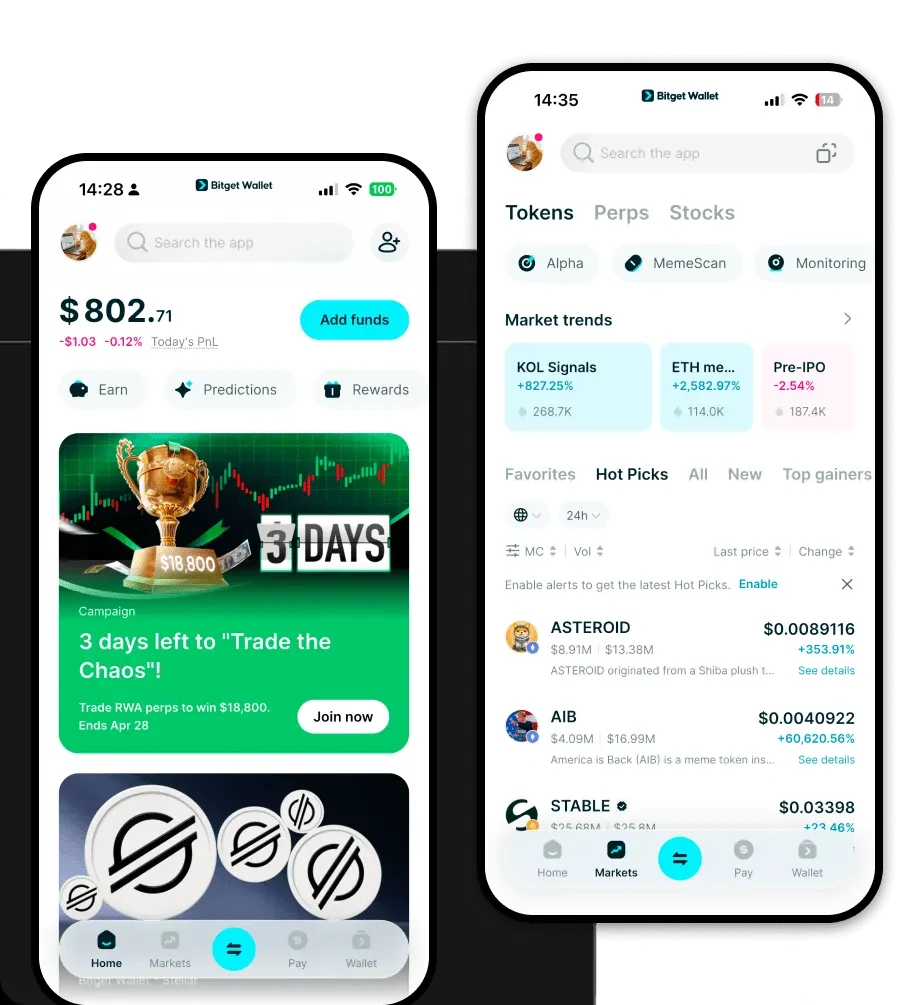
Getting started with your digital asset management requires a reliable interface. To manage your tokens effectively, you should download Bitget Wallet, which provides a seamless experience across all your devices. Whether you prefer the mobility of iOS and Android apps or the convenience of a browser extension, Bitget Wallet offers a unified experience. It is designed with a focus on self-custody, meaning you hold the private keys and maintain absolute authority over your funds. Furthermore, its extensive multi-chain support ensures that you are not limited to just one ecosystem, allowing you to manage a diverse portfolio from a single, intuitive interface.
Why Choose Bitget LPM Wallet?
Selecting the right tool for your DeFi activities is critical, especially when dealing with EVM-based assets. Here is why Bitget Wallet stands out for LPM holders:
- Seamless EVM Compatibility: Designed specifically for the EVM architecture, the wallet allows for instant interaction with popular DeFi protocols without configuration headaches.
- Deep Liquidity Access: The platform aggregates liquidity from hundreds of DEXs, ensuring that you get the best possible rates when swapping your LPM tokens.
- Robust Security Architecture: With over $300 million in user protection funds, your assets are backed by a significant safety net against unforeseen vulnerabilities.
- Advanced Cross-Chain Interoperability: Easily move assets between different chains using integrated cross-chain bridges, eliminating the need to rely on risky third-party services.
- User-Centric DeFi Integration: The interface is built to simplify complex DeFi operations, making high-level financial activities accessible even to those new to the crypto space.
How to Create an LPM Wallet
Setting up your wallet is a straightforward process designed for both security and ease of use. Follow these steps to get started:
- Download and Install: Visit the official website to download Bitget Wallet for your preferred platform (iOS, Android, or Browser Extension).
- Create a New Wallet: Open the application and select the option to create a new wallet. You will be prompted to generate a seed phrase.
- Backup Your Seed Phrase: Write down your recovery phrase and store it in a secure, offline location. Never share this with anyone, as it is the master key to your funds.
- Verify and Setup: Complete the verification process if required by the app to confirm your backup, then set a strong PIN or biometric lock for quick access.
- Add LPM: Once your wallet is set up, use the 'Add Token' feature to search for LPM. By adding it to your home screen, you can easily view your balance and transaction history.
What Can You Do With an LPM Wallet?
An LPM wallet is not just for storage; it is a functional tool for participating in the decentralized economy. Here is how you can utilize your assets:
- Trading: Use the built-in decentralized exchange features to swap LPM for other assets instantly at competitive market rates.
- Providing Liquidity: Deposit your LPM into decentralized liquidity pools to help facilitate trades and earn a share of the transaction fees generated by the protocol.
- Staking: Lock your LPM tokens in supported smart contracts to support network security and earn passive rewards over time.
- Yield Farming: Maximize your capital efficiency by participating in yield farming strategies, where you can leverage your LPM holdings to earn additional yield from DeFi protocols.
- Portfolio Management: Utilize the comprehensive dashboard to track your assets, view real-time market trends, and monitor your DeFi performance across multiple protocols.
How LPM Wallets Are Different from Other Crypto Wallets
Managing assets on an EVM-based chain like the one LPM utilizes requires a specific approach compared to other blockchain architectures. Unlike Bitcoin wallets, which rely on the UTXO (Unspent Transaction Output) model, an LPM wallet interacts with an account-based model. This means your wallet balance is directly associated with your address, simplifying the process of tracking transactions and interacting with smart contracts. Furthermore, because LPM operates on EVM, you must manage gas fees to process transactions. Bitget Wallet optimizes this by providing real-time gas fee suggestions, ensuring your transactions are processed efficiently without overpaying, unlike older wallet interfaces that often leave users guessing about network congestion.
