





What is a Lithium Wallet?
A Lithium wallet is a secure digital interface that allows you to store, manage, and interact with the Lithium token, which operates on the EVM (Ethereum Virtual Machine) blockchain ecosystem. Because Lithium functions within the EVM framework, you need a wallet that is fully compatible with Ethereum-based standards to ensure seamless asset management.
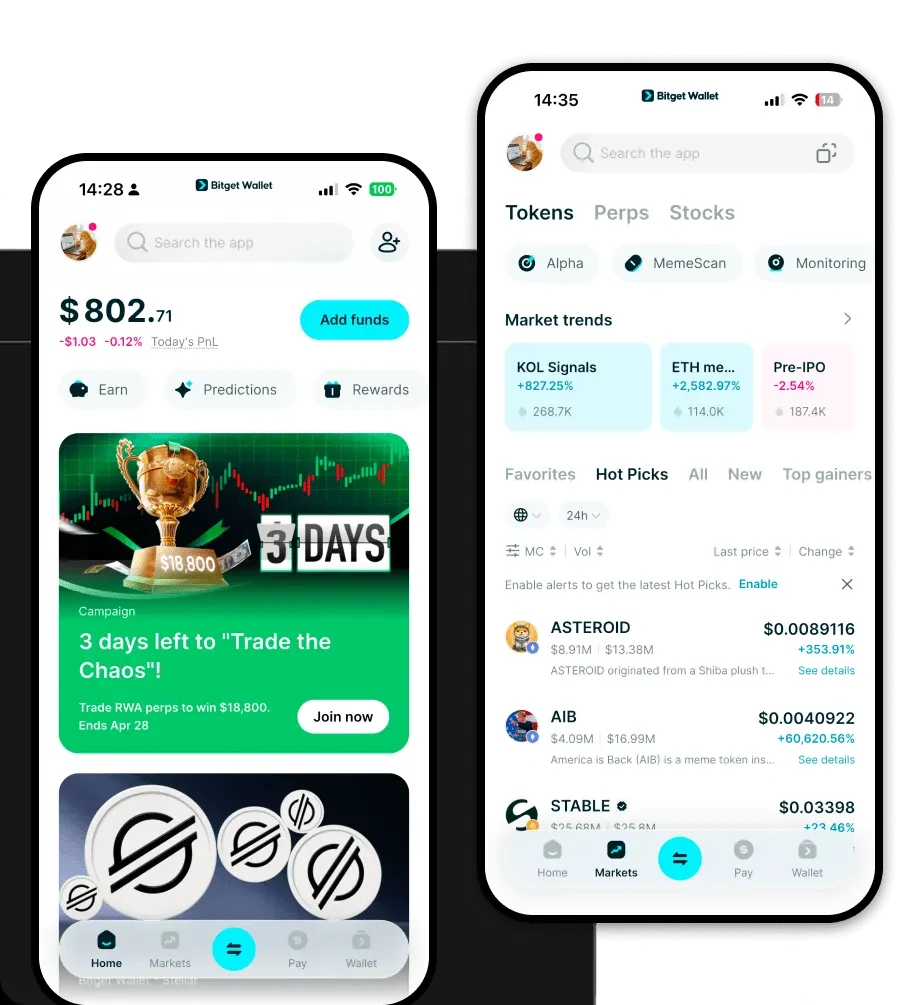
Lithium is a project that focuses on providing accurate pricing data for illiquid assets, leveraging a specialized oracle network to bridge the gap between real-world assets and decentralized finance. Bitget Wallet supports Lithium, allowing users to securely manage and interact with the token within the Web3 ecosystem.
Download Bitget Lithium Wallet
To start your journey with Lithium, you need a reliable gateway. Bitget Wallet offers a comprehensive solution for users who demand both security and accessibility. Whether you are an experienced DeFi participant or just starting, our platform provides a robust environment for your tokens.
Bitget Wallet is designed for convenience across all devices. You can easily access your assets through our mobile apps on iOS and Android, or via our browser extension for desktop interaction. By choosing to download Bitget Wallet, you are opting for a non-custodial solution where you hold your own private keys, ensuring you have complete ownership of your Lithium tokens. With multi-chain support, you can manage your Lithium alongside hundreds of other assets, all within a single, intuitive interface.
Why Choose Bitget Lithium Wallet?
When dealing with infrastructure-focused tokens like Lithium, your wallet choice impacts more than just storage; it affects your ability to interact with the broader EVM ecosystem efficiently.
- Native EVM Compatibility: Bitget Wallet is built to handle EVM-based tokens natively, ensuring that your Lithium transactions are processed with full smart contract support and minimal friction.
- Advanced Oracle Integration: Given Lithium's focus on oracle-based pricing, our wallet provides a stable environment to track your assets accurately without the display errors common in less sophisticated interfaces.
- Gas Fee Optimization: As an EVM-compatible wallet, Bitget provides real-time gas fee estimations and transaction speed adjustments, helping you save on costs when interacting with decentralized protocols.
- Robust Security Architecture: We protect your assets with a multi-layered security framework, including our $300 million user protection fund, ensuring that your data validation efforts remain safe from external threats.
- Seamless DApp Connectivity: Our built-in DApp browser allows you to connect instantly to the protocols where Lithium is utilized, bypassing the need for insecure third-party connectors.
How to Create a Lithium Wallet
Setting up your wallet is a straightforward process designed to prioritize your security from the first moment.
1. Download and Install: Visit the official Bitget Wallet website to download the app for your mobile device or browser extension.
2. Create a New Wallet: Open the application and select 'Create a New Wallet.' You will be prompted to set a strong password for your local device access.
3. Backup Your Seed Phrase: This is the most critical step. Write down your 12 or 24-word recovery phrase on paper and store it in a secure, offline location. Never share this with anyone.
4. Verify the Phrase: The app will ask you to re-enter the words to ensure you have backed them up correctly.
5. Add Lithium to Your Assets: Once your wallet is active, use the 'Add Token' feature. Since Lithium is an EVM token, you can search for its contract address or token name to add it to your dashboard and start managing your portfolio.
What Can You Do With a Lithium Wallet?
Owning Lithium is just the beginning. A specialized wallet allows you to leverage the project's infrastructure utility to its full potential.
- Staking: You can participate in staking programs directly through your wallet, locking your tokens to support network security while earning potential rewards.
- Providing Data Validation: By interacting with the Lithium protocol via your wallet, you can contribute to the decentralized consensus mechanism, helping ensure the accuracy of pricing data for illiquid assets.
- Trading on Decentralized Exchanges: Use your wallet to connect to major DEXs, allowing you to swap Lithium for other assets or stablecoins with ease.
- Governance Voting: Hold Lithium in your wallet to participate in the project's decentralized governance, allowing you to vote on proposals that shape the future of the oracle network.
How Lithium Wallets Are Different from Other Crypto Wallets
Not all wallets are created equal, especially when dealing with infrastructure tokens on the EVM. Unlike Bitcoin wallets that rely on the UTXO (Unspent Transaction Output) model, a Lithium wallet on the EVM utilizes an account-based model. This means your wallet functions more like a traditional bank account balance rather than a collection of separate transaction inputs.
Furthermore, because Lithium operates in the EVM ecosystem, you must be mindful of gas fees. Unlike networks that might use resource models (like EOS), the EVM requires you to maintain a balance of the native chain token (e.g., ETH) to pay for transaction gas. Bitget Wallet distinguishes itself by offering a smoother, more transparent fee management experience, ensuring that your transactions—whether for data validation or trading—are executed at the right price point without the complexity found in generic wallets.
