





What is a KENDU Wallet?
A KENDU wallet is a digital interface designed to interact with the KENDU token, a community-driven meme token operating on the Ethereum blockchain. Because KENDU is an ERC-20 token, it requires a wallet that is fully compatible with the Ethereum Virtual Machine (EVM) ecosystem. The KENDU project is focused on building a secure, organic, and decentralized ecosystem. It emphasizes a strong, grassroots-led community culture and utilizes a unique burn mechanism to manage supply dynamics. To manage these assets effectively, you need a wallet that not only supports the token but also understands the intricacies of Ethereum-based transactions.
Download Bitget KENDU Wallet
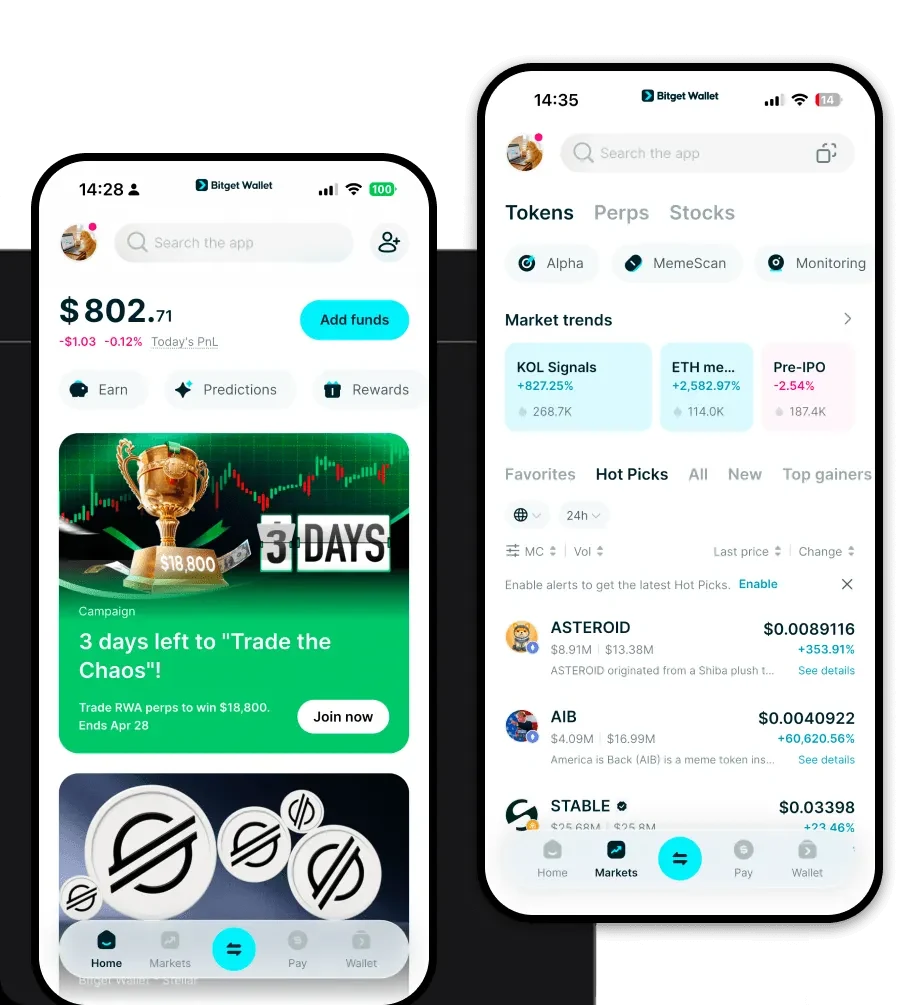
For those seeking a professional and user-friendly experience, the Bitget Wallet is an excellent choice. It offers a secure environment where you remain in full control of your assets through private key self-custody. Whether you are using an iOS device, an Android smartphone, or a desktop browser extension, the platform provides a seamless experience. You can easily download Bitget Wallet to get started. It supports a vast array of assets, ensuring that your KENDU tokens are always accessible and manageable within a single, unified interface.
Why Choose Bitget KENDU Wallet?
Choosing the right wallet for an EVM-based meme token is critical. Bitget Wallet stands out for several reasons:
- EVM Ecosystem Mastery: Built specifically to handle Ethereum-based assets, it offers optimized gas fee management and seamless interaction with various DeFi protocols.
- DEX Aggregation: It aggregates liquidity from hundreds of decentralized exchanges, ensuring you always get the best execution price when trading KENDU.
- Enhanced Security: With a dedicated user protection fund exceeding 300 million USD, your assets are shielded against common threats.
- Meme-Friendly Interface: Designed for the speed and volatility of meme token markets, the interface allows for rapid portfolio tracking and instant transaction execution.
- Decentralization Focus: It supports the ethos of the KENDU community by ensuring full non-custodial control, meaning you are the sole owner of your private keys.
How to Create a KENDU Wallet
Setting up your wallet to store KENDU is a straightforward process:
Step 1: Visit the official website or your app store to download the Bitget Wallet application.
Step 2: Open the app and select 'Create a New Wallet'. You will be asked to set a strong password for your device.
Step 3: Carefully back up your seed phrase. This is the most important step; write it down on paper and store it in a secure location. Never share this with anyone.
Step 4: Once the wallet is initialized, click on 'Add Tokens' and search for KENDU using its contract address to ensure you are adding the correct asset.
Step 5: Your wallet is now ready. Click on the 'Receive' button to generate your KENDU wallet address, which you can use to transfer tokens from exchanges or other wallets.
What Can You Do With a KENDU Wallet?
A KENDU wallet is more than just a storage tool; it is your gateway to the ecosystem:
- Trading: You can engage in active trading by swapping KENDU directly within the wallet's integrated DEX aggregator, allowing you to react quickly to market movements.
- Holding for speculation: The wallet provides a secure, non-custodial vault, making it the ideal place to hold your KENDU tokens long-term while you wait for market developments.
- Community participation: Many community-driven projects require wallet connections to participate in voting or governance; your wallet acts as your digital identity in these decentralized spaces.
- Liquidity provision: If you choose to contribute to the ecosystem, you can use your wallet to interact with decentralized finance platforms to provide liquidity for KENDU pairs, potentially earning rewards in the process.
How KENDU Wallets Are Different from Other Crypto Wallets
Not all wallets are created equal. When dealing with KENDU, you are interacting with the Ethereum account-based model. Unlike UTXO-based wallets (commonly used for Bitcoin), which focus on unspent transaction outputs, a KENDU wallet manages Ethereum 'accounts' that track balances and execute smart contracts. This means your wallet must be capable of handling gas fees, which fluctuate based on network congestion. Bitget Wallet is specifically optimized for this EVM environment, offering better fee estimation and transaction speed compared to generic wallets. While other wallets might struggle with complex DApp interactions or display tokens incorrectly, a dedicated KENDU-compatible wallet ensures that the burn mechanism and contract interactions are processed smoothly and accurately.
