





1. What is a Juggernaut Wallet?
The Juggernaut is an experimental derivative token initiated by the community, positioned as a lightweight experiment in decentralized trading and community interaction. The project focuses on a combined experiment of community governance, programmable token economics, and liquidity incentives, aiming to build a sustainable incentive and governance framework for decentralized traders and communities. Since Juggernaut operates within the EVM (Ethereum Virtual Machine) ecosystem, it requires a wallet that is fully compatible with Ethereum-based standards. A Juggernaut wallet is essentially an Ethereum-compatible interface that allows you to store, send, and interact with the Juggernaut token directly on the blockchain, granting you full control over your digital assets.
2. Download Bitget Juggernaut Wallet
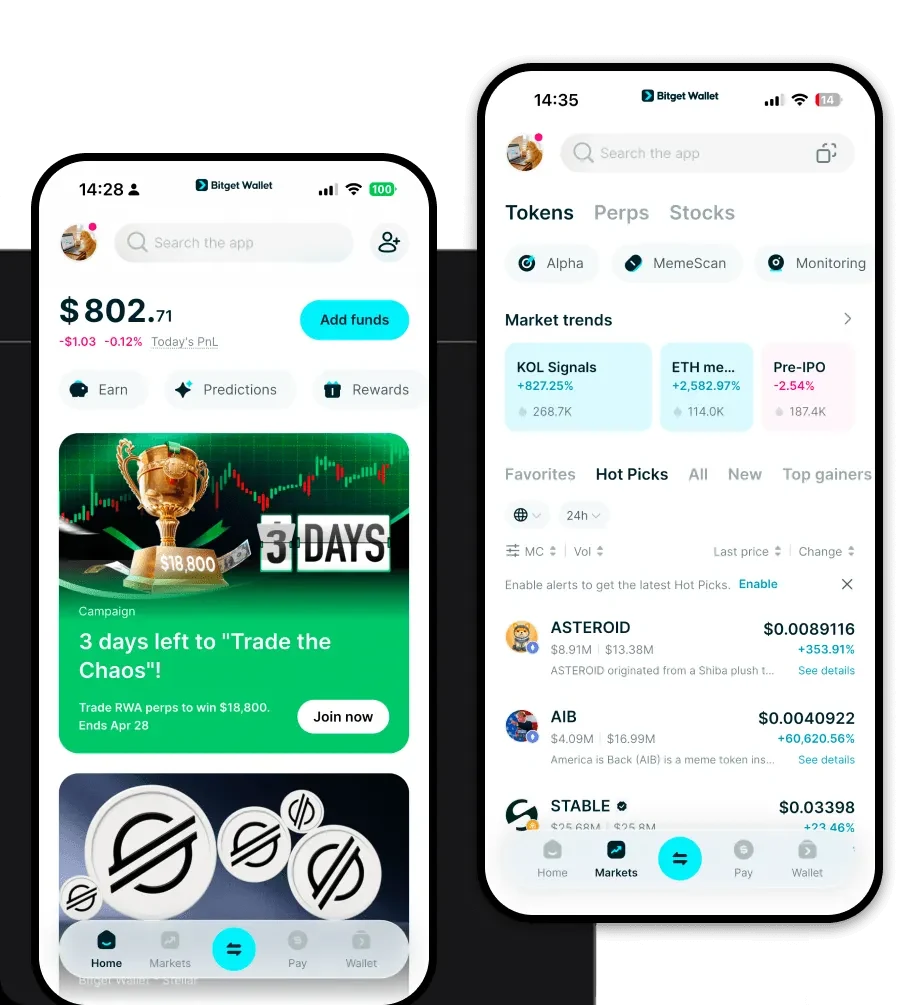
To start your journey with Juggernaut, you need a reliable, non-custodial solution that prioritizes your security. Bitget Wallet is widely recognized as the best wallet for Juggernaut because it offers a seamless, multi-chain experience that caters to both beginners and advanced DeFi users. Whether you are using an iOS device, an Android smartphone, or prefer the convenience of a browser extension, Bitget Wallet provides a unified interface to manage your tokens. By choosing to download Bitget Wallet, you are opting for a self-custodial approach, meaning you hold the private keys to your Juggernaut wallet address, ensuring that you alone have authority over your funds. It is the perfect app to navigate the EVM ecosystem without the complexity often found in other platforms.
3. Why Choose Bitget Juggernaut Wallet?
Selecting the right tool for managing your Juggernaut tokens is crucial for a smooth experience. Bitget Wallet stands out in the crowded market for several reasons, particularly for users active in the DeFi space:
- EVM Compatibility & MetaMask Integration: Bitget Wallet is fully compatible with the Ethereum Virtual Machine, allowing you to easily import your existing MetaMask wallets or interact with any DApp that supports Ethereum-based standards.
- Optimized Gas Fee Management: The wallet features a smart gas fee engine that helps you navigate network congestion on EVM chains, ensuring your transactions are processed efficiently without overpaying.
- DEX Aggregation: You can swap Juggernaut tokens directly within the app, as Bitget Wallet aggregates liquidity from hundreds of decentralized exchanges to find you the best possible price.
- Enterprise-Grade Security: With a dedicated 300 million USD user protection fund, Bitget Wallet provides a robust security layer that protects your assets against potential vulnerabilities.
- Multi-Chain Versatility: While you are focused on Juggernaut, Bitget Wallet supports over 130 public chains, meaning you can manage your entire portfolio in one single, organized application.
4. How to Create a Juggernaut Wallet
Creating your Juggernaut wallet is a straightforward process designed to get you up and running in minutes. Follow these five simple steps:
- Download the App: Visit the official website to download the Bitget Wallet application for your preferred device (iOS, Android, or Browser Extension).
- Create a New Wallet: Open the app and select 'Create a New Wallet.' The system will generate a unique mnemonic phrase, which acts as your master password.
- Secure Your Recovery Phrase: Write down your recovery phrase and store it in a safe, offline location. Never share this with anyone; this is the key to your Juggernaut wallet address.
- Verify the Network: Since Juggernaut is an EVM token, ensure your wallet is set to the correct network (usually Ethereum or a compatible L2). You can easily switch networks within the settings menu.
- Import or Receive Juggernaut: Once your wallet is set up, you can copy your public address to receive Juggernaut tokens or use the 'Import' feature if you are migrating from another wallet provider.
5. What Can You Do With a Juggernaut Wallet?
Owning a Juggernaut wallet opens up the full potential of the Juggernaut ecosystem. Beyond simple storage, here is how you can actively participate:
- Staking: Use your wallet to lock your Juggernaut tokens into staking contracts, allowing you to earn rewards over time while contributing to the security of the network.
- Providing Liquidity: You can deposit your Juggernaut tokens into decentralized liquidity pools, which helps facilitate trading for others and earns you a share of the transaction fees generated by the protocol.
- Governance Voting: As part of the community-driven development, you can use your wallet to sign transactions that cast your vote on important community proposals, directly influencing the future of the project.
- Decentralized Trading: Utilize the integrated DApp browser within Bitget Wallet to connect to decentralized exchanges and trade Juggernaut with other tokens without needing a centralized intermediary.
- Yield Farming: Participate in advanced yield farming strategies by connecting your wallet to various DeFi platforms, optimizing your token economics to maximize your returns.
6. How Juggernaut Wallets Are Different from Other Crypto Wallets
When dealing with a Juggernaut wallet, you are engaging with an account-based model, which is fundamentally different from UTXO-based chains like Bitcoin. In an EVM-based Juggernaut wallet, your address is a unique account that stores both your token balance and your smart contract interactions. Unlike wallets that require you to manage complex UTXO inputs, a Juggernaut wallet simplifies the process by treating your balance as a single, accessible total. Furthermore, because of the EVM architecture, your wallet interacts with "gas," which is the fuel required to execute smart contracts—a concept that is more dynamic and transaction-heavy than the simpler transfer models found on non-EVM blockchains. Bitget Wallet optimizes this by giving you granular control over your gas settings, providing a level of transparency and speed that is essential for active DeFi participants.
