





What is a JSM Wallet?
A JSM wallet is a digital interface that allows you to store, manage, and interact with your JSM tokens on the blockchain. Since JSM operates on the EVM (Ethereum Virtual Machine) chain, your wallet needs to be fully compatible with EVM standards to ensure seamless transactions and smart contract interactions. A proper JSM wallet acts as a gateway to decentralized finance, enabling you to hold your assets in a non-custodial environment where you retain full control over your private keys.
Are you looking for a reliable and secure crypto wallet for your JSM? Bitget Wallet will be your best choice. Trusted by 40 million users, you can freely explore Web3 on Bitget Wallet. Start your journey now!
Download Bitget JSM Wallet
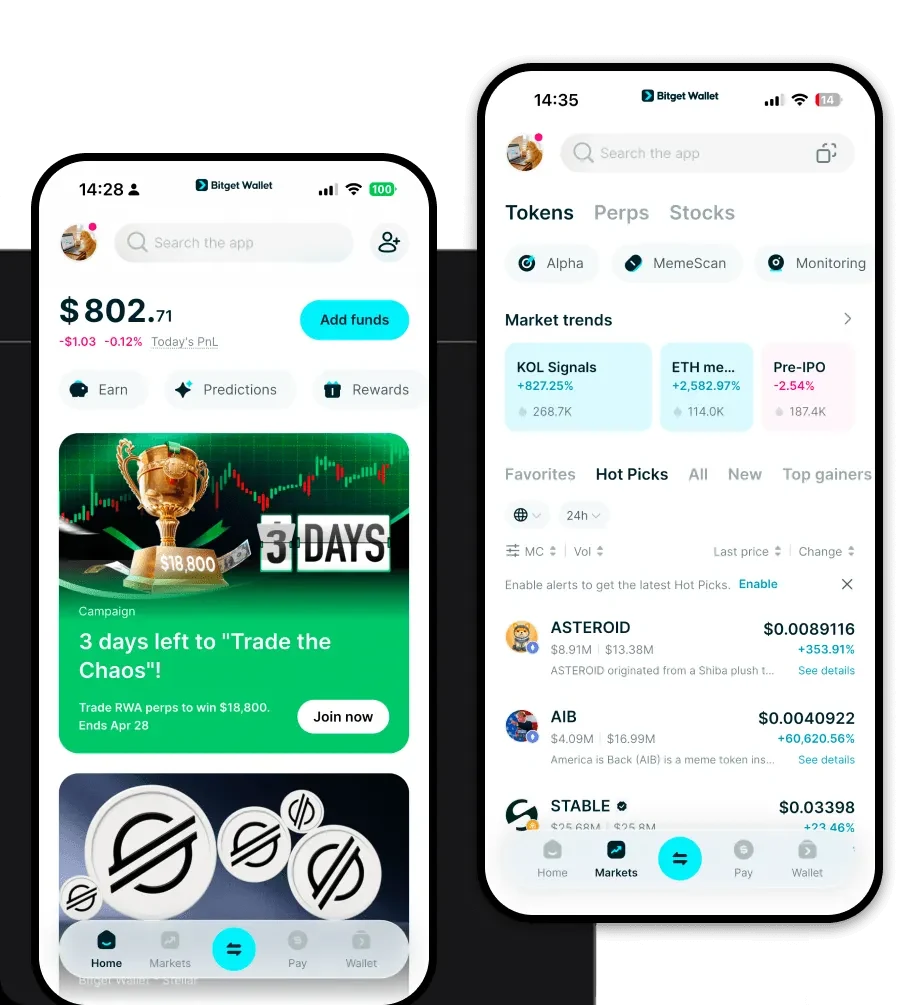
Getting started with your JSM journey requires a robust tool that keeps pace with the rapidly evolving Web3 landscape. Bitget Wallet offers a comprehensive solution that transcends simple storage, functioning as an all-in-one portal for your digital assets. Whether you are using a mobile device or a desktop browser, you can easily download Bitget Wallet to get started.
Bitget Wallet provides a seamless experience across platforms, including dedicated iOS and Android applications, as well as a powerful browser extension. It emphasizes user sovereignty through private key self-custody, ensuring that you are the sole owner of your assets. With support for over 130+ blockchains, it serves as a unified hub for your entire portfolio, allowing you to manage diverse tokens alongside your JSM without needing multiple applications.
Why Choose Bitget JSM Wallet?
As an EVM-based token, JSM requires a wallet that understands the intricacies of Ethereum-compatible networks, from gas fee management to DeFi protocol integration. Bitget Wallet stands out by providing:
- Seamless EVM Compatibility: Designed specifically for EVM chains, Bitget Wallet ensures that your JSM transactions are fast, reliable, and perfectly aligned with standard decentralized protocols.
- Advanced Cross-Chain Interoperability: Easily swap your JSM for assets on other chains using integrated cross-chain bridges, eliminating the complexity of traditional exchange transfers.
- Robust Secure Asset Management: With a $300 million user protection fund and advanced encryption technology, Bitget Wallet provides institutional-grade security for your JSM holdings.
- High Liquidity Support: By aggregating liquidity from hundreds of decentralized exchanges (DEXs), the wallet ensures you get the best price and minimal slippage when trading JSM.
- Decentralized Wallet Integration: Experience true Web3 freedom by connecting directly to DApps, NFT marketplaces, and DeFi platforms without exposing your private keys.
How to Create a JSM Wallet
Setting up your wallet is a straightforward process designed to get you ready for the blockchain in minutes. Follow these five steps to secure your JSM:
1. Download and Install: Visit the official website to download Bitget Wallet on your preferred device.
2. Create a New Identity: Open the app and select 'Create a Wallet'. You will be prompted to set a strong, unique password for local device protection.
3. Backup Your Recovery Phrase: This is the most critical step. Write down your 12-24 word recovery phrase on paper and store it in a secure, offline location. Never share this with anyone.
4. Verify Your Backup: The app will ask you to re-enter the recovery words to ensure you have saved them correctly.
5. Import or Receive JSM: Once your wallet is active, copy your public address. You can now send JSM from an exchange or another wallet directly to your new Bitget Wallet address.
What Can You Do With a JSM Wallet?
A JSM wallet is more than just a storage vault; it is an active tool for participating in the decentralized economy. Here is how you can utilize your wallet:
- Token Trading: Use the built-in DEX aggregator to perform instant token trading, ensuring you capture the best market rates for JSM.
- Cross-Chain Transfers: Move your assets across different blockchain networks seamlessly, facilitating cross-chain transfers without the need for centralized intermediaries.
- Secure Storage: Keep your JSM in a non-custodial vault where you maintain full ownership, ensuring secure storage away from exchange risks.
- Portfolio Management: Monitor the real-time value and performance of all your holdings within the intuitive portfolio management dashboard.
- Web3 DApp Interaction: Engage directly with decentralized applications, participate in governance, or use your JSM in various DeFi protocols through smooth Web3 dApp interaction.
How JSM Wallets Are Different from Other Crypto Wallets
When choosing a wallet for JSM, it is vital to understand the difference between standard wallets and those optimized for EVM infrastructure. Unlike wallets designed for UTXO-based chains (like Bitcoin), which focus primarily on transaction outputs and address generation, a JSM wallet is built for an account-based model. This means it manages smart contract states, gas fees, and nonce-based transaction sequencing.
While some wallets may struggle with high gas fees or slow confirmation times during network congestion, Bitget Wallet optimizes the transaction flow for EVM chains. It provides real-time gas fee estimations and allows for custom fee settings, ensuring your JSM transactions are prioritized correctly. Furthermore, because JSM exists within a highly liquid ecosystem, the difference lies in the wallet's ability to aggregate decentralized liquidity, offering a faster, more cost-effective trading experience compared to generic wallets that lack built-in DEX routing.
