





What is a fi Wallet?
A fi wallet is a specialized digital gateway designed to manage tokens within the decentralized finance (DeFi) ecosystem. Operating primarily on the EVM (Ethereum Virtual Machine) blockchain, a fi wallet acts as your personal interface for interacting with smart contracts, decentralized applications (dApps), and liquidity pools. Because fi assets often exist as ERC-20 tokens or within complex DeFi protocols, your wallet needs to be more than just a storage facility; it must be a functional tool for financial autonomy.
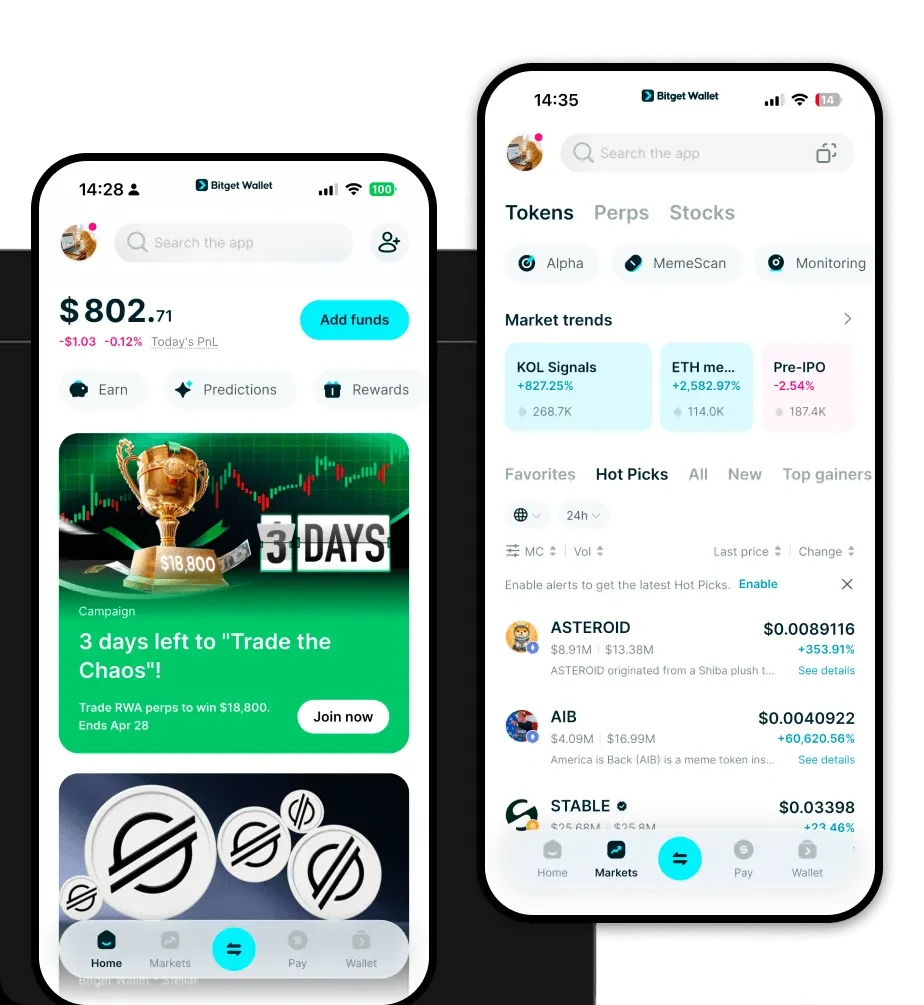
Are you looking for a reliable and secure crypto wallet for your fi? Bitget Wallet will be your best choice. Trusted by 40 million users, you can freely explore Web3 on Bitget Wallet. Start your journey now!
Download Bitget fi Wallet
Accessing your digital assets should be seamless, regardless of your device. To begin, you can download Bitget Wallet across multiple platforms, including iOS, Android, and browser extensions. By choosing a self-custodial solution like Bitget Wallet, you retain total control over your private keys, ensuring that you are the sole guardian of your assets. With support for over 130 public chains and millions of tokens, Bitget Wallet is designed to handle the complexity of the EVM ecosystem while keeping your user interface intuitive and responsive.
Why Choose Bitget fi Wallet?
Choosing the right wallet for your DeFi activities is critical for performance and security. Bitget Wallet stands out by offering a highly optimized environment for EVM-based assets:
- EVM Compatibility: Seamlessly interact with any Ethereum-based protocol, ensuring your transactions are processed with full smart contract support.
- Decentralized Governance: Participate directly in DAO voting mechanisms for various DeFi protocols without needing to move assets to centralized exchanges.
- Smart Contract Automation: Benefit from an interface that simplifies complex transaction interactions, reducing errors during protocol engagement.
- Cross-chain Interoperability: Easily bridge your assets across different EVM-compatible chains, allowing for fluid liquidity movement without reliance on fragmented third-party bridges.
- Composable Liquidity: Leverage aggregated liquidity pools directly through the wallet’s built-in browser to find the best trading rates available on-chain.
How to Create a fi Wallet
Setting up your wallet is a straightforward process designed for both newcomers and advanced users:
- Download & Install: Visit the official website to download Bitget Wallet for your preferred device (mobile or desktop).
- Create New Wallet: Open the app and select 'Create Wallet'. You will be prompted to set a strong, unique password.
- Backup Your Seed Phrase: The app will generate a 12-word recovery phrase. Write this down on paper and store it securely offline; never share this with anyone.
- Verify Setup: Confirm your recovery phrase within the app to ensure your backup is accurate.
- Activate Account: Once confirmed, your wallet address is generated, and you are ready to receive or import your fi tokens.
What Can You Do With a fi Wallet?
A fi wallet is the engine for your DeFi activities. By using Bitget Wallet, you can engage with the broader ecosystem in the following ways:
- Staking: Lock your tokens into smart contracts to support network security and earn passive rewards over time.
- Yield Farming: Provide liquidity to decentralized protocols to earn transaction fees and additional token incentives.
- Decentralized Lending: Deposit your assets into lending pools to earn interest or borrow against your holdings without centralized intermediaries.
- Liquidity Providing: Add token pairs to decentralized exchanges to facilitate trading and capture a share of the swap fees generated by the platform.
- Governance Voting: Use your held tokens to cast votes on protocol proposals, directly influencing the future development of the projects you support.
How fi Wallets Are Different from Other Crypto Wallets
Not all wallets are created equal, especially when dealing with EVM-based DeFi tokens. Unlike legacy wallets that might focus solely on simple transfers, a fi wallet like Bitget is built for the complexity of the account model. Because EVM chains utilize an account-based model rather than the UTXO model (found in Bitcoin), your wallet must effectively manage nonces and gas estimates for every transaction. Bitget Wallet optimizes gas fee calculations in real-time, ensuring your transactions are prioritized even during high network congestion. Furthermore, while some wallets struggle with speed, Bitget provides a high-performance architecture that allows for near-instant interactions with DeFi protocols, making it a superior choice for active traders and yield farmers.
