




What is a fgd Wallet?
The fgd token is a critical component of the Forward Protocol ecosystem, functioning primarily within the DeFi landscape. As an asset built on an EVM-compatible chain, fgd relies on the robust infrastructure of Ethereum Virtual Machine networks to facilitate seamless interactions with decentralized applications. Are you looking for a reliable and secure crypto wallet for your fgd? Bitget Wallet will be your best choice. Trusted by 40 million users, you can freely explore Web3 on Bitget Wallet. Start your journey now!
Download Bitget fgd Wallet
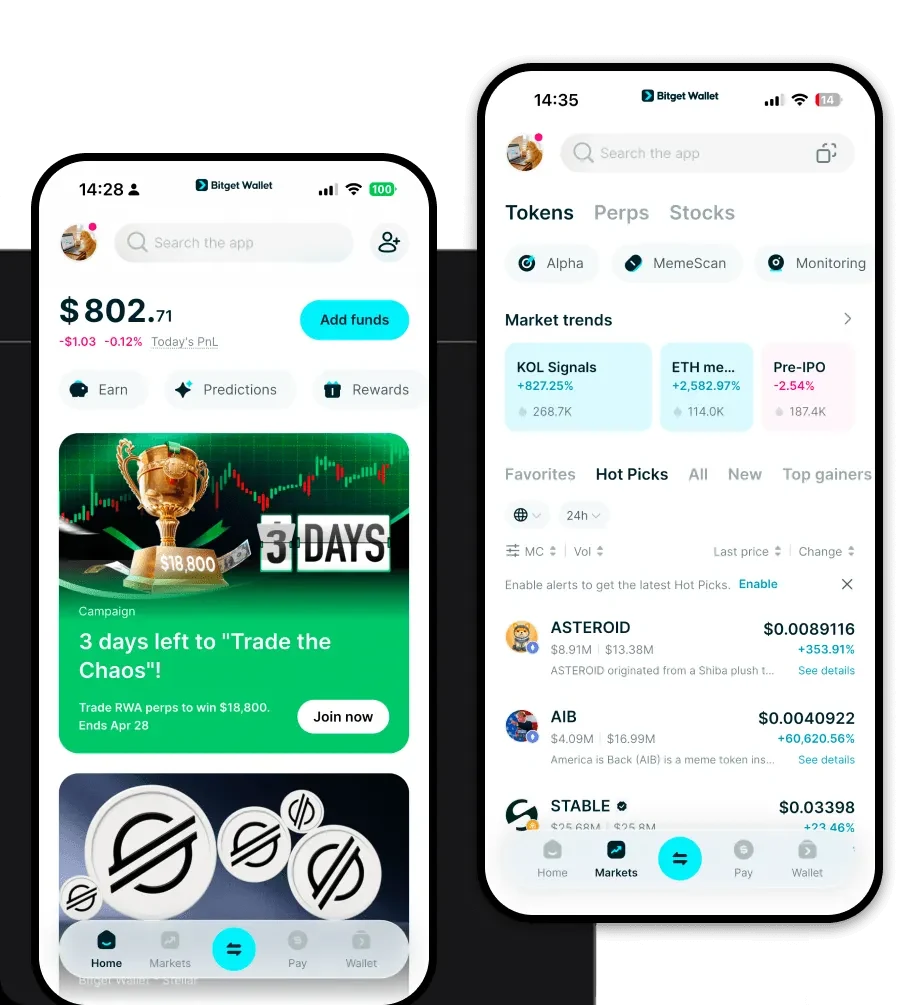
Managing your digital assets requires a tool that balances high-level security with user accessibility. Bitget Wallet provides a comprehensive solution for fgd holders, whether you are a novice or a seasoned DeFi participant. By choosing to download Bitget Wallet, you gain access to a platform that supports over 130+ blockchains and millions of tokens, ensuring you have a unified interface for all your holdings. The wallet is designed for full self-custody, meaning you retain complete control over your private keys, which is paramount for asset security. Available as a mobile app for iOS and Android, as well as a powerful browser extension, it offers a consistent and fluid experience across all your devices.
Why Choose Bitget fgd Wallet?
When dealing with EVM-based DeFi tokens like fgd, the choice of wallet significantly impacts your efficiency and cost-effectiveness. Bitget Wallet stands out through several key technical advantages:
- Seamless EVM Compatibility: Bitget Wallet is natively built to interact with EVM standards, allowing you to connect to any DeFi protocol, yield farm, or NFT marketplace without compatibility hurdles.
- Optimized Transaction Costs: Through smart gas fee estimation and advanced network routing, the wallet helps you navigate the cost structures of various EVM chains, ensuring your transactions are processed efficiently.
- Cross-Chain Interoperability: With built-in support for hundreds of DEXs and cross-chain bridges, you can swap tokens or move liquidity between different chains directly from your wallet interface.
- Modular Architecture: The wallet’s design supports the modular nature of modern protocols, allowing for a lightweight experience that doesn't compromise on advanced functionality.
How to Create a fgd Wallet
Setting up your wallet is a straightforward process that takes only a few minutes. Follow these steps to get started:
- Download and Install: Visit the official website or your app store to download Bitget Wallet.
- Create a New Wallet: Open the app and select 'Create Wallet.' You will be prompted to set a strong security password.
- Secure Your Seed Phrase: The app will generate a 12-word mnemonic phrase. Write this down on paper and store it in a secure, offline location. Never share this with anyone.
- Verify and Setup: Follow the on-screen prompts to verify your seed phrase. Once complete, your wallet is initialized.
- Add fgd Token: Navigate to the asset management section, click the '+' icon, and search for 'fgd' to add it to your visible list of assets.
What Can You Do With a fgd Wallet?
Holding fgd in your Bitget Wallet unlocks a variety of DeFi utilities designed to maximize your engagement with the protocol. Here is how you can use it:
- Staking for Rewards: Lock your tokens within approved staking contracts directly through the DApp browser to earn passive yields on your holdings.
- Governance Voting: Participate in the decision-making process of the protocol by using your fgd to vote on governance proposals, directly influencing the future development of the project.
- Paying Protocol Fees: Seamlessly use your tokens to cover operational costs or premium feature access within the ecosystem, ensuring uninterrupted service.
- Liquidity Provision: Contribute your fgd to decentralized liquidity pools, helping to facilitate trades for other users while earning a share of the transaction fees generated by the pool.
How fgd Wallets Are Different from Other Crypto Wallets
Unlike standard wallets that might struggle with the complexities of EVM ecosystems, Bitget Wallet is architected specifically for the demands of decentralized finance. While some basic wallets are limited to simple send-and-receive functions, a Bitget fgd wallet acts as a gateway to the entire DeFi stack. It handles the nuances of EVM smart contracts, such as gas limit adjustments and nonce management, which are critical when interacting with complex protocols. Furthermore, because it aggregates liquidity across hundreds of DEXs, it effectively solves the problem of high slippage and inefficient routing often found in standalone wallet applications. This focus on DeFi-native features ensures that your experience is not just about storing tokens, but about actively participating in the ecosystem.
